Understanding SLA: A Guide to Effective Support Metrics
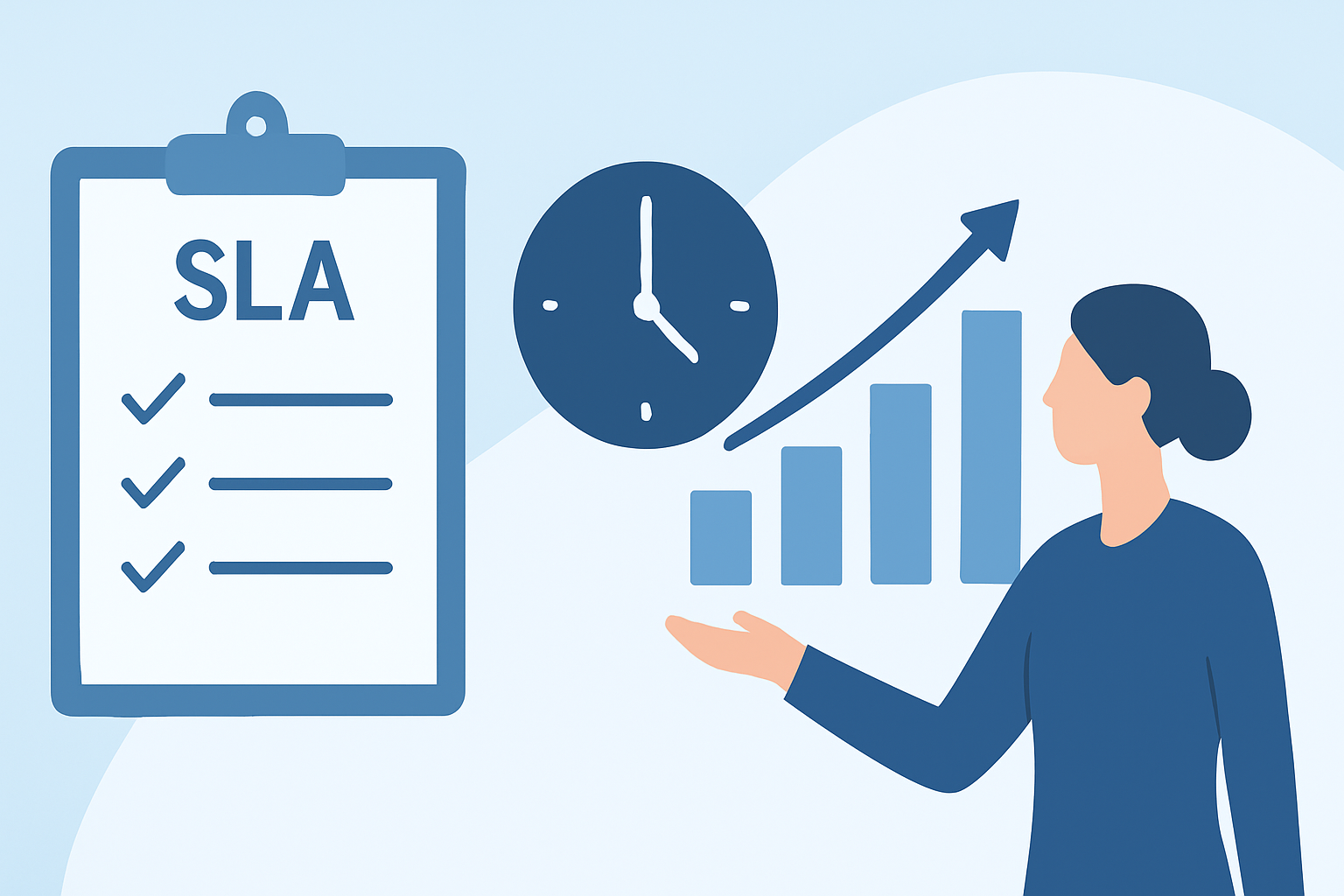
Understanding SLA: A Guide to Effective Support Metrics
Service Level Agreements (SLAs) are a critical component of any service-oriented business. They set the expectations between service providers and their clients regarding the level of service to be delivered. Understanding SLAs is essential for both parties to ensure that they are aligned on performance metrics and service expectations. In this article, we will explore what SLAs are, their importance, key components, and how to measure their effectiveness.
What is an SLA?
A Service Level Agreement (SLA) is a formal document that defines the level of service expected from a service provider. It outlines the specific metrics, responsibilities, and expectations for both the service provider and the customer. SLAs are commonly used in IT services, telecommunications, and customer support, but they can be applied in any industry where service delivery is crucial.
Importance of SLAs
SLAs play a vital role in establishing clear expectations and accountability. Here are a few reasons why SLAs are important:
- Clarity: SLAs provide a clear understanding of service expectations, which helps to avoid confusion and misunderstandings.
- Accountability: By defining specific metrics and responsibilities, SLAs hold both parties accountable for their commitments.
- Performance Measurement: SLAs serve as a benchmark to measure service performance and identify areas for improvement.
- Customer Satisfaction: When customers know what to expect, it leads to higher satisfaction levels and trust in the service provider.
Key Components of an SLA
SLAs typically include several key components that define the terms of service. These components may vary depending on the industry and specific agreement, but they generally include:
- Service Description: A detailed description of the services provided, including any limitations or exclusions.
- Performance Metrics: Specific metrics used to measure service performance, such as response time, resolution time, and uptime.
- Responsibilities: Clearly defined responsibilities for both the service provider and the customer, including escalation procedures.
- Penalties and Remedies: Consequences for failing to meet SLA standards, which may include financial penalties or service credits.
- Review and Reporting: Procedures for regular review of SLA performance and reporting mechanisms.
Measuring SLA Effectiveness
To ensure that SLAs are effective, it is essential to measure their performance regularly. Here are some tips on how to measure SLA effectiveness:
- Define Key Performance Indicators (KPIs): Identify the KPIs that are most relevant to your SLA metrics, such as response time and customer satisfaction scores.
- Regular Monitoring: Use monitoring tools to track performance against the defined metrics consistently.
- Customer Feedback: Collect feedback from customers to gauge their satisfaction and perception of service quality.
- Periodic Reviews: Schedule regular meetings to review SLA performance with stakeholders and discuss any necessary adjustments.
- Continuous Improvement: Use the insights gained from monitoring and reviews to make informed decisions for improving service delivery.
Conclusion
In conclusion, understanding SLAs is crucial for both service providers and customers. They help set clear expectations, promote accountability, and enhance overall service delivery. By focusing on the key components of SLAs and regularly measuring their effectiveness, businesses can ensure they provide the best possible service to their clients, ultimately leading to improved satisfaction and loyalty.
Este artigo faz parte do nosso blog. Veja-o na lista e descubra mais.
Ver todos os artigosSimplifique o seu apoio ao cliente. Organize tickets, responda mais rápido e mantenha a equipa alinhada.
Agendar Demonstração