Understanding SLA: How to Set Effective Support Metrics for Your Business
Understanding SLA: How to Set Effective Support Metrics for Your Business
In today's fast-paced business environment, providing exceptional customer support is crucial for success. One effective way to ensure your support team meets customer expectations is by establishing a Service Level Agreement (SLA). In this article, we will explore what an SLA is, why it matters, and how to set effective support metrics for your business.
What is an SLA?
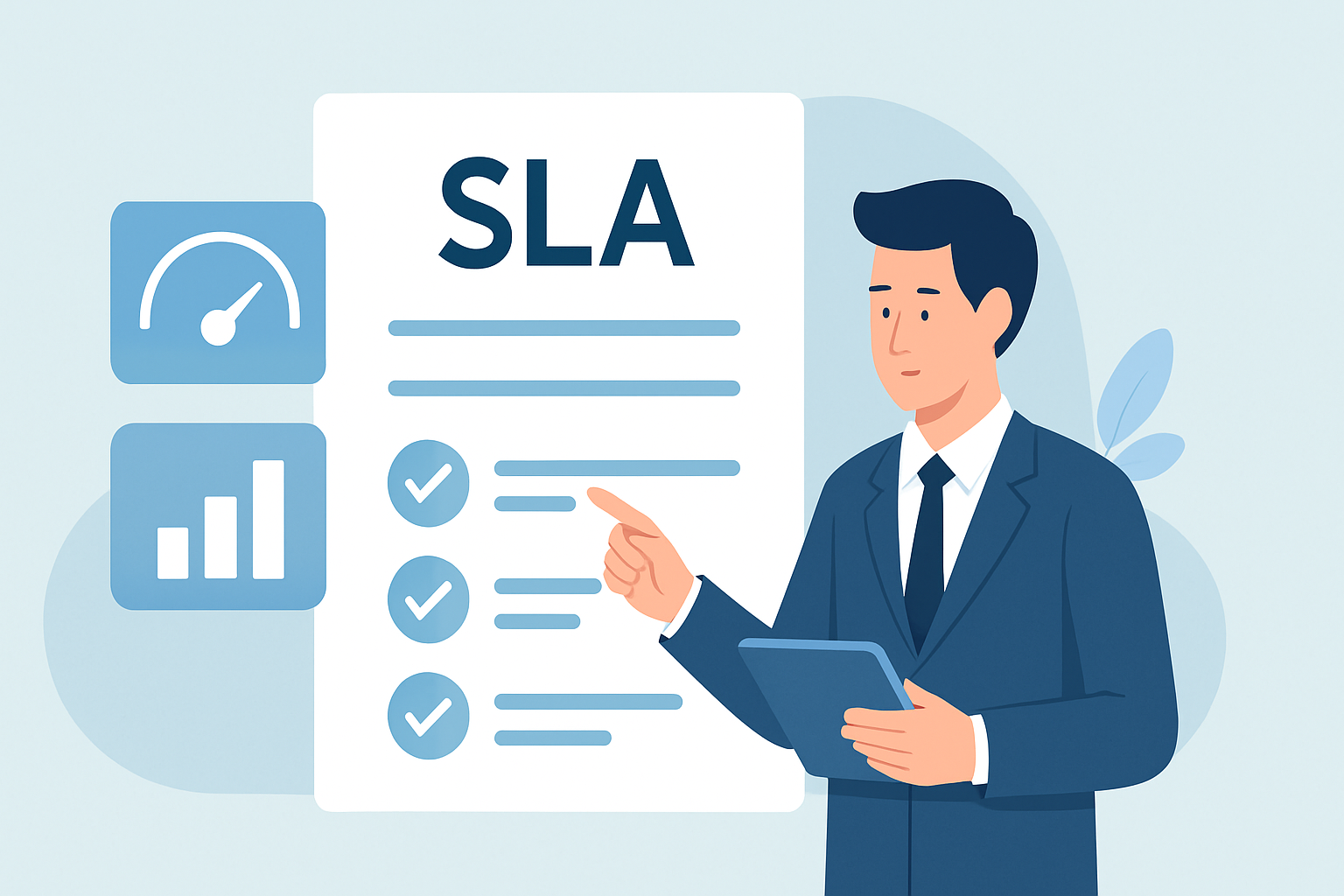
A Service Level Agreement (SLA) is a formal document that outlines the expected level of service between a service provider and a customer. It includes specific metrics that define the quality, availability, and responsibilities of the service being provided. An SLA serves as a benchmark for both parties, ensuring that expectations are clear and measurable.
Why SLAs Matter
SLAs are essential for several reasons:
- Clarity: They provide a clear understanding of what services will be delivered and the expected response times.
- Accountability: SLAs hold service providers accountable for their performance, fostering a culture of responsibility.
- Customer Satisfaction: By meeting SLA metrics, businesses can enhance customer satisfaction and loyalty.
- Performance Measurement: SLAs offer a framework for measuring performance and identifying areas for improvement.
Key Metrics to Include in Your SLA
When setting up an SLA, it's important to include metrics that are relevant and meaningful for your business. Here are some key metrics to consider:
- Response Time: The time taken to acknowledge a customer's request. This metric helps gauge how quickly your support team reacts.
- Resolution Time: The total time taken to resolve a customer's issue. This is a critical metric that directly impacts customer satisfaction.
- First Contact Resolution (FCR): The percentage of issues resolved on the first interaction. A high FCR indicates effective support.
- Customer Satisfaction Score (CSAT): A measure of customer satisfaction with the support they received, typically gathered through surveys.
- Ticket Volume: The number of support requests received over a specific period, helping to assess workload and resource allocation.
Steps to Create an Effective SLA
Creating an effective SLA involves several steps:
- Identify Stakeholders: Involve key stakeholders from your support team, management, and even customers to gather insights on expectations.
- Define Services: Clearly outline the services covered by the SLA and any exclusions to avoid confusion.
- Set Metrics: Choose relevant metrics that align with your business goals and customer expectations.
- Establish Targets: Set realistic and achievable targets for each metric to ensure accountability.
- Review and Revise: Regularly review the SLA to make necessary adjustments based on performance data and changing business needs.
Conclusion
In summary, a well-defined SLA is a powerful tool that helps businesses set clear expectations for customer support. By establishing effective support metrics, you can enhance accountability, improve customer satisfaction, and drive continuous improvement within your support team. Remember to regularly assess and update your SLA to keep pace with your evolving business landscape.
Implementing an SLA may seem daunting at first, but the benefits it brings to your organization and your customers are well worth the effort. Start today, and watch your customer support transform for the better!
Este artigo faz parte do nosso blog. Veja-o na lista e descubra mais.
Ver todos os artigosSimplifique o seu apoio ao cliente. Organize tickets, responda mais rápido e mantenha a equipa alinhada.
Agendar Demonstração