Understanding SLA: What Every Business Needs to Know for Effective Support
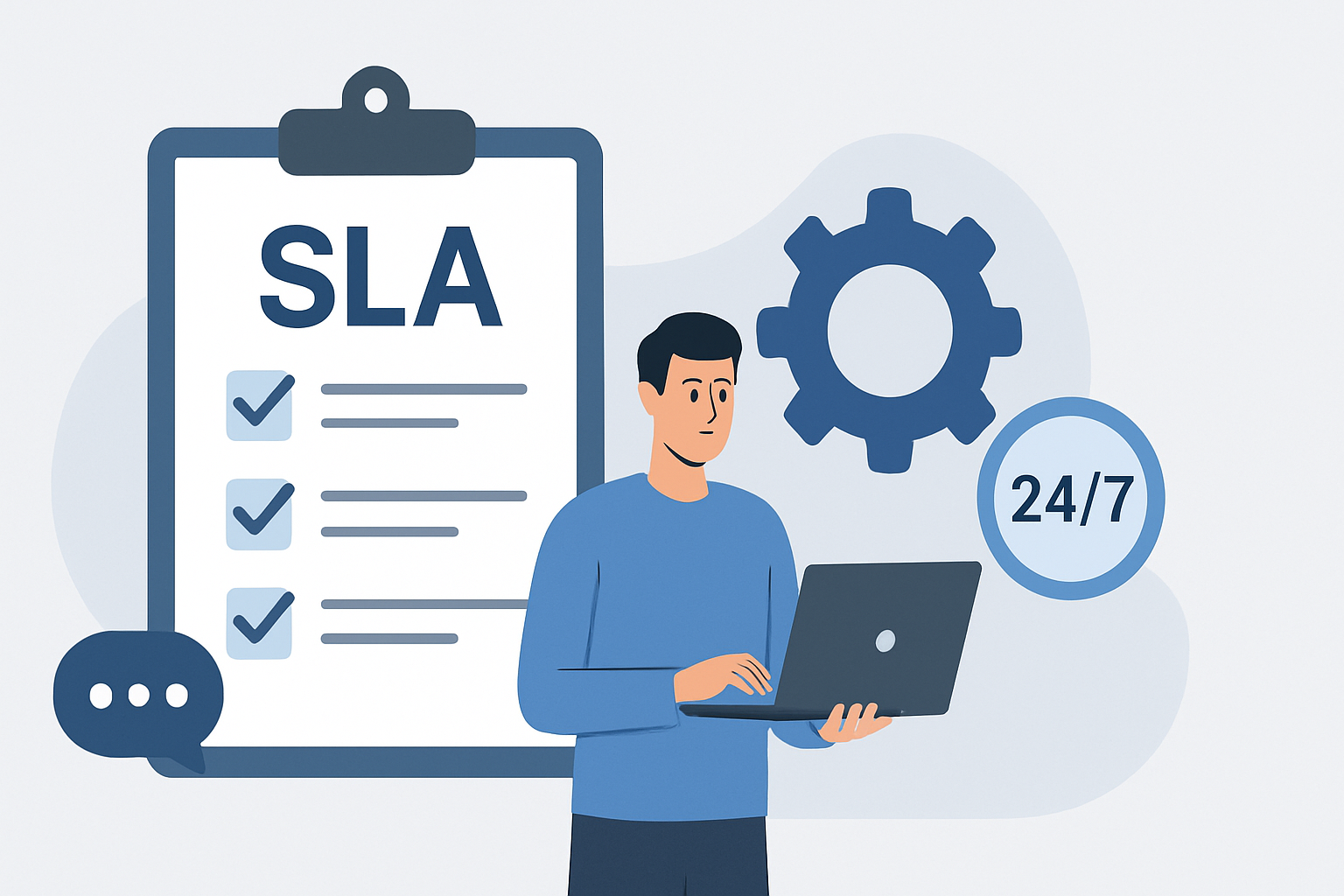
Understanding SLA: What Every Business Needs to Know for Effective Support
In today’s fast-paced business environment, providing excellent customer support is crucial for maintaining a competitive edge. One of the essential tools that can help businesses achieve this is a Service Level Agreement (SLA). This article will explore what an SLA is, its significance, and how businesses can leverage it for effective support.
What is a Service Level Agreement (SLA)?
An SLA is a formal document that outlines the expected level of service provided by a service provider to a customer. It specifies the metrics by which the service is measured, the responsibilities of both parties, and the penalties for not meeting the agreed-upon standards. SLAs are commonly used in IT services, telecommunications, and customer support.
The Importance of an SLA
Implementing an SLA can bring numerous benefits to a business, including:
- Clear Expectations: An SLA sets clear expectations for both the service provider and the customer regarding the level of service to be delivered.
- Performance Measurement: It provides measurable targets, allowing businesses to assess the performance of their service providers easily.
- Accountability: SLAs establish accountability by detailing the responsibilities of both parties, ensuring that everyone understands their obligations.
- Improved Customer Satisfaction: By aligning service delivery with customer needs, SLAs can enhance customer satisfaction and loyalty.
Key Components of an SLA
For an SLA to be effective, it should include the following components:
- Service Description: A detailed description of the services provided, including any limitations and exclusions.
- Performance Metrics: Specific and measurable performance metrics, such as response time, resolution time, and uptime percentages.
- Responsibilities: Clearly defined roles and responsibilities for both the service provider and the customer.
- Reporting and Review: Procedures for regular reporting and review of performance against the SLA.
- Penalties and Remedies: Consequences for failing to meet the agreed-upon service levels, including potential remedies or financial penalties.
How to Create an Effective SLA
Creating an effective SLA involves several steps:
- Identify Stakeholders: Involve all relevant stakeholders from both the service provider and the customer side to gather input on service expectations.
- Define Services: Clearly define the services to be provided, including any necessary details on how they will be delivered.
- Set Performance Standards: Establish realistic and measurable performance standards that align with business objectives.
- Document Everything: Ensure that all terms, conditions, and expectations are documented in a clear and concise manner.
- Review and Revise: Regularly review and revise the SLA to adapt to changing business needs and service improvements.
Conclusion
A well-crafted SLA is a vital tool for any business looking to enhance its support services. By clearly defining expectations, responsibilities, and performance metrics, businesses can foster better relationships with their service providers and customers alike. Understanding and implementing SLAs can lead to improved service delivery, higher customer satisfaction, and ultimately, business success.
Este artigo faz parte do nosso blog. Veja-o na lista e descubra mais.
Ver todos os artigosSimplifique o seu apoio ao cliente. Organize tickets, responda mais rápido e mantenha a equipa alinhada.