A Step-by-Step Guide to Implementing Business Process Automation in Your Organization
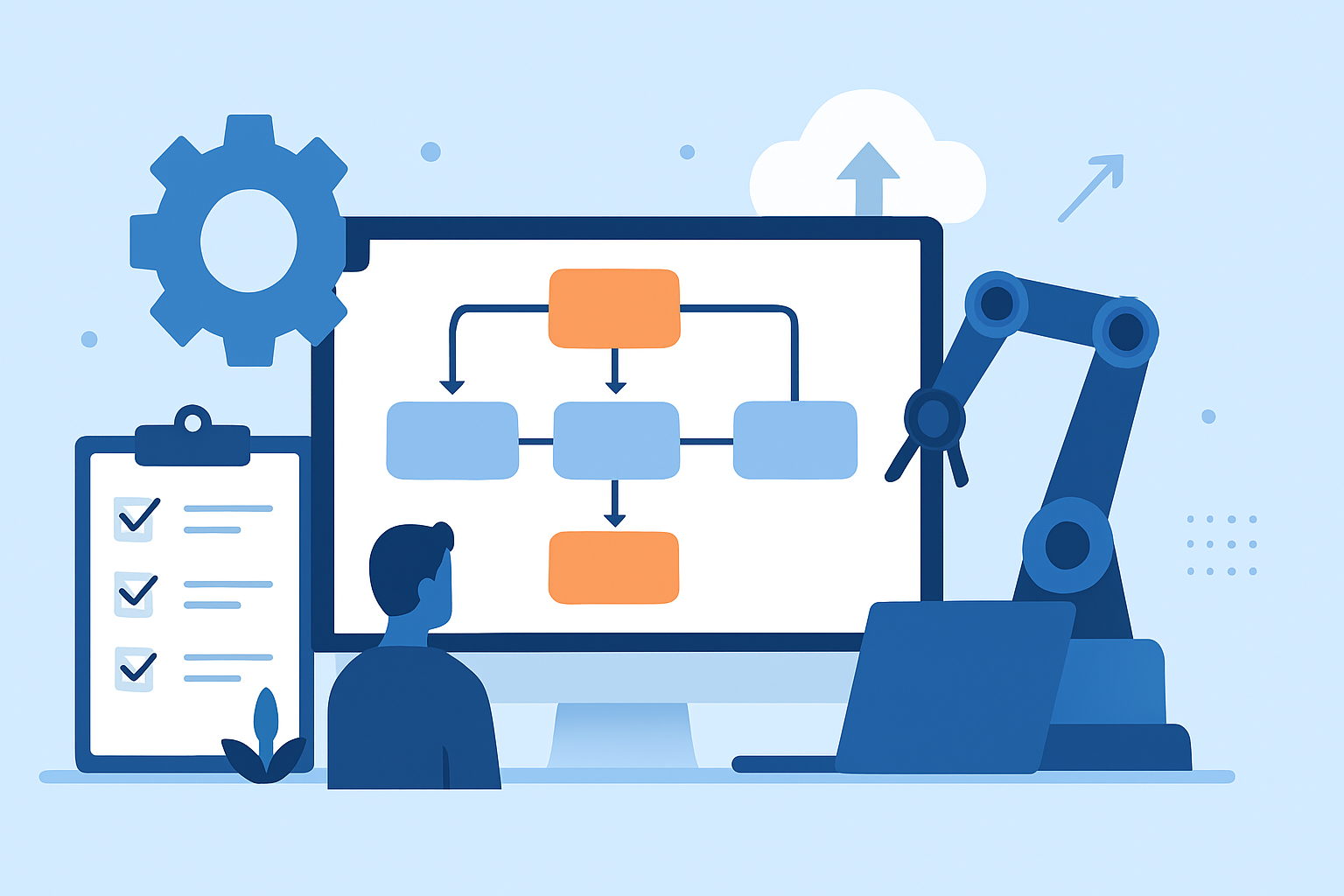
A Step-by-Step Guide to Implementing Business Process Automation in Your Organization
In today's fast-paced business environment, organizations are constantly seeking ways to improve efficiency, reduce costs, and enhance productivity. One effective way to achieve these goals is through Business Process Automation (BPA). This article will provide you with a comprehensive step-by-step guide to implementing BPA in your organization.
What is Business Process Automation?
Business Process Automation refers to the use of technology to automate repetitive and time-consuming tasks that are typically performed by humans. This can include processes such as data entry, invoicing, customer support, and more. By automating these tasks, organizations can free up valuable human resources to focus on more strategic initiatives.
Step 1: Identify Processes for Automation
The first step in implementing BPA is to identify which processes within your organization are suitable for automation. Consider the following:
- Repetitive tasks that consume significant time.
- Processes that are prone to human error.
- Activities that require a high level of accuracy.
- Tasks that are time-sensitive and require quick turnaround.
Step 2: Analyze Current Processes
Once you have identified the processes to automate, conduct a thorough analysis of the current workflows. This will help you understand how the processes function, the challenges faced, and the potential benefits of automation. Use tools like flowcharts to visualize the current state of the processes.
Step 3: Define Goals and Objectives
Clearly define the goals and objectives you aim to achieve through automation. These could include:
- Reducing operational costs.
- Improving process speed and efficiency.
- Enhancing data accuracy and compliance.
- Increasing employee satisfaction by reducing tedious tasks.
Step 4: Choose the Right Automation Tools
There are numerous automation tools available in the market, each with unique features and capabilities. Consider the following factors when selecting the right tool:
- Integration capabilities with existing systems.
- User-friendliness and ease of use.
- Scalability to accommodate future growth.
- Vendor support and community resources.
Step 5: Develop a Pilot Program
Before rolling out automation across the organization, develop a pilot program to test the automation tool on a smaller scale. This will allow you to:
- Identify any potential issues or challenges.
- Gather feedback from users.
- Measure the effectiveness of the automation.
Step 6: Train Your Team
Training is crucial for successful implementation. Ensure that your team understands how to use the new automation tools and the benefits they bring. Offer training sessions, workshops, and resources to help employees adapt to the changes.
Step 7: Monitor and Optimize
After the automation tools are in place, continuously monitor the performance of automated processes. Collect data on key performance indicators (KPIs) and seek feedback from users to identify areas for improvement. Regularly optimize the processes to enhance efficiency further.
Conclusion
Implementing Business Process Automation can transform the way your organization operates. By following this step-by-step guide, you can ensure a smooth transition to automation, leading to improved efficiency, reduced costs, and enhanced productivity. Remember that BPA is not a one-time project but an ongoing journey of continuous improvement.
Este artigo faz parte do nosso blog. Veja-o na lista e descubra mais.
Ver todos os artigosSimplifique o seu apoio ao cliente. Organize tickets, responda mais rápido e mantenha a equipa alinhada.
Agendar Demonstração