Boosting Customer Satisfaction Through Strategic SLA Management
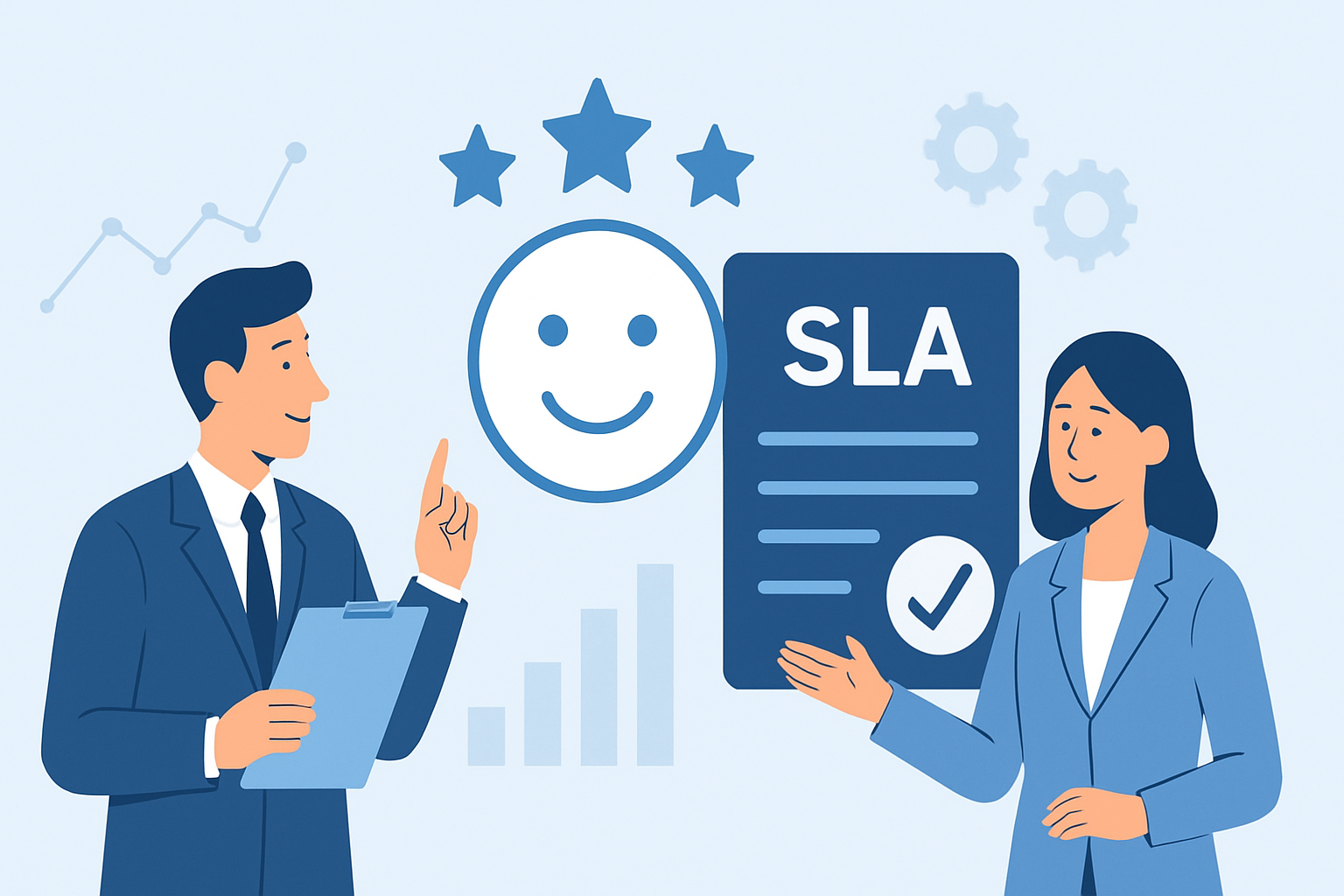
Boosting Customer Satisfaction Through Strategic SLA Management
In today's competitive business environment, customer satisfaction is paramount. One of the most effective ways to enhance customer satisfaction is through strategic Service Level Agreement (SLA) management. SLAs are contracts that define the expected level of service between a service provider and a customer, outlining specific metrics and responsibilities. This article explores how effective SLA management can lead to improved customer satisfaction.
Understanding SLAs
Service Level Agreements serve as a foundation for service delivery. They typically include:
- Performance Metrics: These are the specific criteria used to measure the service's quality and effectiveness.
- Responsibilities: Clearly defined roles and responsibilities for both parties ensure accountability.
- Penalties and Remedies: Outlining consequences for failing to meet agreed-upon standards helps maintain high service levels.
Why SLAs Matter for Customer Satisfaction
SLAs play a critical role in customer satisfaction for several reasons:
- Clarity and Transparency: SLAs provide customers with clear expectations regarding the service they will receive, fostering trust and transparency.
- Consistency: Adhering to SLAs helps ensure consistent service delivery, which is crucial for maintaining customer loyalty.
- Accountability: When service providers are held accountable for their performance, customers feel more assured that their needs will be prioritized.
Strategies for Effective SLA Management
To maximize the benefits of SLAs, organizations should consider the following strategies:
1. Set Realistic and Measurable Goals
Establish goals that are achievable and quantifiable. This ensures that both parties can realistically meet expectations and reduces the risk of disappointment.
2. Regular Review and Adjustment
SLAs should not be static. Regularly reviewing and adjusting SLAs based on performance data and customer feedback is essential to stay relevant and effective.
3. Foster Open Communication
Encouraging open communication between service providers and customers can help identify issues early and promote collaborative problem-solving.
4. Train Staff on SLA Importance
Employees should understand the significance of SLAs and how their roles contribute to meeting these agreements. Training programs can foster a culture of accountability and service excellence.
Measuring Customer Satisfaction
To determine the effectiveness of SLA management, organizations should implement regular customer satisfaction surveys. Key metrics to consider include:
- Net Promoter Score (NPS)
- Customer Satisfaction Score (CSAT)
- Customer Effort Score (CES)
Conclusion
Strategic SLA management is a powerful tool for enhancing customer satisfaction. By setting clear expectations, fostering accountability, and maintaining open lines of communication, organizations can significantly improve their service delivery. As businesses continue to evolve, leveraging SLAs effectively will be crucial for maintaining a competitive edge and ensuring customer loyalty.
Este artigo faz parte do nosso blog. Veja-o na lista e descubra mais.
Ver todos os artigosSimplifique o seu apoio ao cliente. Organize tickets, responda mais rápido e mantenha a equipa alinhada.
Agendar Demonstração