From Manual to Automated: A Step-by-Step Guide to Streamlining Your Business Processes
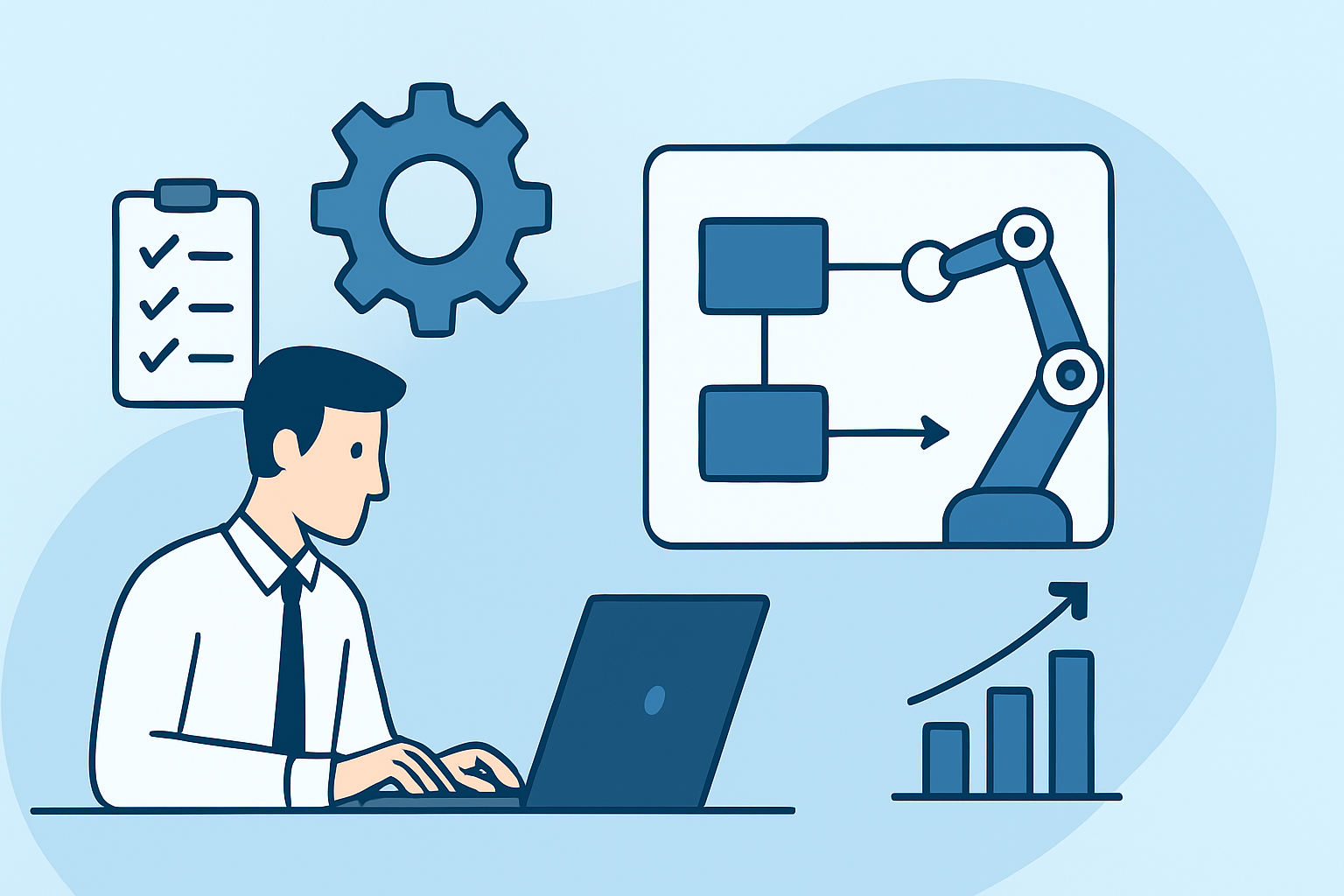
From Manual to Automated: A Step-by-Step Guide to Streamlining Your Business Processes
In today's fast-paced business environment, efficiency is key. Many companies are transitioning from manual processes to automated systems to save time, reduce errors, and improve overall productivity. In this guide, we will walk you through the steps to streamline your business processes effectively.
Step 1: Identify Manual Processes
The first step in automation is to identify the manual processes within your organization. Consider the following:
- What tasks are repetitive and time-consuming?
- Which processes are prone to human error?
- Are there any bottlenecks that slow down operations?
Make a list of these processes and prioritize them based on their impact on your business.
Step 2: Analyze the Processes
Once you have identified the manual processes, the next step is to analyze them. This involves understanding how each process works, who is involved, and what tools are currently being used. Consider the following questions:
- What are the inputs and outputs of each process?
- What steps are necessary to complete the process?
- What are the challenges faced by employees during these tasks?
This analysis will help you pinpoint areas where automation can provide the most benefit.
Step 3: Research Automation Tools
With a clear understanding of your processes, it's time to research automation tools that can help you streamline operations. Look for software that meets your specific needs, such as:
- Customer Relationship Management (CRM) systems
- Project management tools
- Workflow automation platforms
Read reviews, request demos, and consult with your team to select the best tools for your organization.
Step 4: Develop an Implementation Plan
Having chosen the right tools, create an implementation plan. This should include:
- The timeline for implementation
- Resources needed (e.g., budget, personnel)
- Training requirements for staff
Ensure that the plan is realistic and allows for adjustments as needed.
Step 5: Train Your Team
Training is crucial for successful automation. Ensure that your team understands how to use the new tools effectively. Consider the following methods:
- Workshops and seminars
- Online tutorials and courses
- One-on-one training sessions
Encourage feedback during the training process to address any concerns and improve user experience.
Step 6: Monitor and Evaluate
After implementing automation, it’s essential to monitor the results. Track key performance indicators (KPIs) to evaluate the effectiveness of the new processes. Consider:
- Time saved on tasks
- Reduction in errors
- Employee satisfaction
Use this data to make informed adjustments and continue refining your processes.
Conclusion
Transitioning from manual to automated processes can seem daunting, but with a structured approach, it can lead to significant improvements in efficiency and productivity. By following these steps, you can streamline your business processes and position your organization for future success.
Embrace automation today and unlock the full potential of your business!
Este artigo faz parte do nosso blog. Veja-o na lista e descubra mais.
Ver todos os artigosSimplifique o seu apoio ao cliente. Organize tickets, responda mais rápido e mantenha a equipa alinhada.
Agendar Demonstração