How Personalization Can Boost Customer Loyalty and Retention
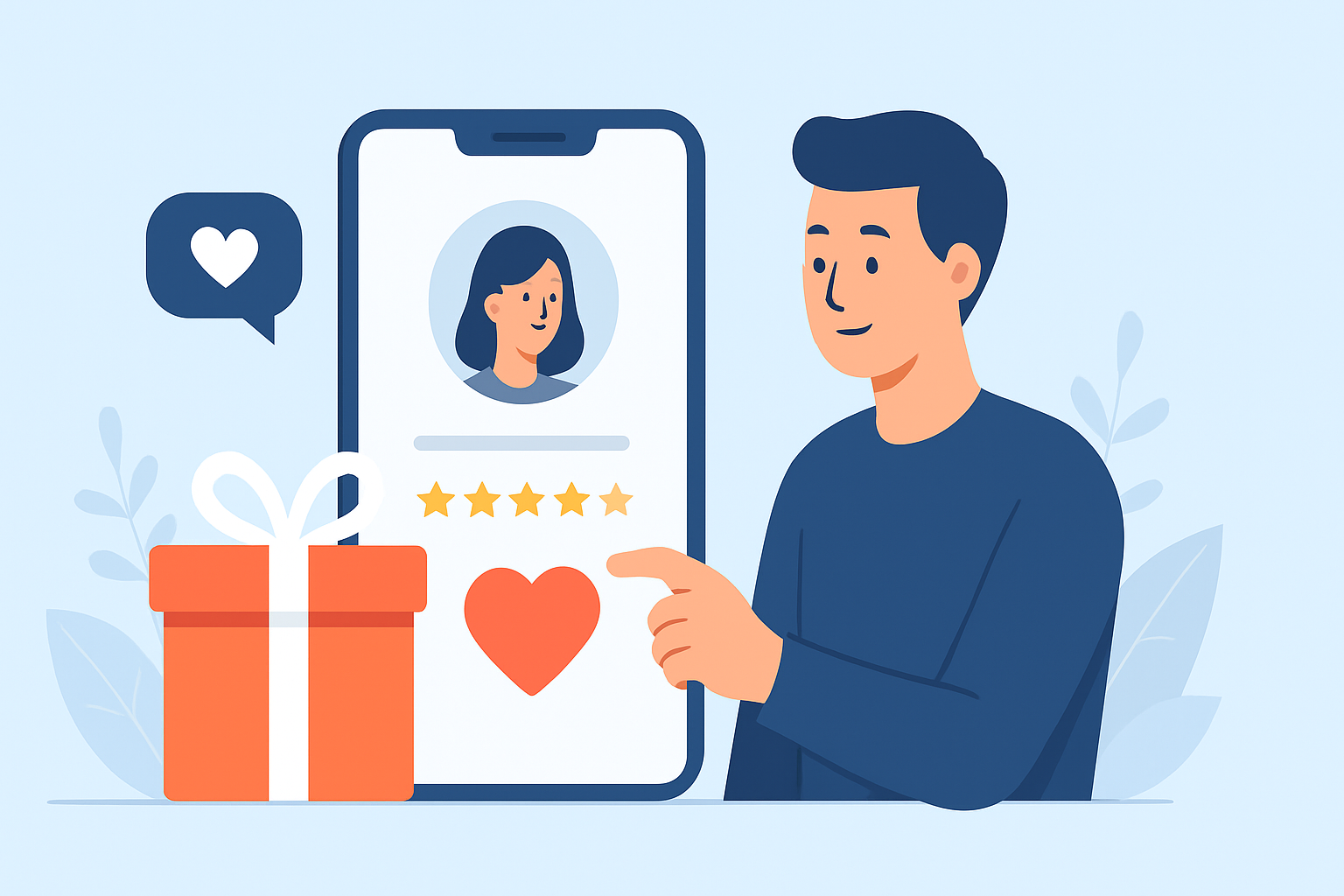
How Personalization Can Boost Customer Loyalty and Retention
In today's competitive market, businesses are constantly seeking ways to enhance customer loyalty and retention. One of the most effective strategies is personalization. By tailoring experiences, communications, and offers to individual customers, companies can create deeper connections and foster loyalty. This article explores how personalization can significantly boost customer loyalty and retention.
Understanding Personalization
Personalization refers to the practice of using customer data to tailor experiences and communications to individual preferences. This can range from personalized email marketing to customized product recommendations on e-commerce websites. The goal is to make customers feel valued and understood, which can lead to increased loyalty.
The Benefits of Personalization
- Enhanced Customer Experience: Personalization improves the overall customer experience by making interactions more relevant and enjoyable. When customers receive content or offers that resonate with their interests, they are more likely to engage.
- Increased Customer Engagement: Tailored experiences encourage customers to interact more frequently with a brand. This can lead to higher conversion rates and increased sales.
- Stronger Customer Relationships: Personalization fosters a sense of connection between the customer and the brand. When customers feel recognized and appreciated, they are more likely to develop a long-term relationship with the business.
- Higher Customer Retention Rates: Personalized experiences can significantly reduce churn rates. Customers who feel valued are less likely to switch to competitors.
Strategies for Implementing Personalization
To effectively implement personalization, businesses should consider the following strategies:
- Leverage Customer Data: Collect and analyze data on customer behavior, preferences, and demographics. This information can be used to create tailored experiences.
- Segment Your Audience: Divide your customer base into segments based on shared characteristics. This allows for more targeted marketing efforts and personalized messaging.
- Utilize Automation Tools: Employ marketing automation tools to deliver personalized content at scale. These tools can help send customized emails and product recommendations based on customer behavior.
- Encourage Customer Feedback: Actively seek feedback from customers to understand their preferences better. This can help refine your personalization efforts and enhance the customer experience.
Measuring the Impact of Personalization
To assess the effectiveness of personalization strategies, businesses should track key performance indicators (KPIs) such as:
- Customer retention rates
- Customer lifetime value (CLV)
- Engagement metrics (e.g., open rates, click-through rates)
- Conversion rates
By analyzing these metrics, businesses can identify the impact of personalization on customer loyalty and make necessary adjustments to their strategies.
Conclusion
Personalization is no longer just an option; it has become a necessity for businesses aiming to enhance customer loyalty and retention. By understanding customer preferences and tailoring experiences accordingly, companies can build stronger relationships, increase engagement, and ultimately drive sales. As the market continues to evolve, those who embrace personalization will likely gain a competitive edge.
Este artigo faz parte do nosso blog. Veja-o na lista e descubra mais.
Ver todos os artigosSimplifique o seu apoio ao cliente. Organize tickets, responda mais rápido e mantenha a equipa alinhada.
Agendar Demonstração