How to Align SLA with Customer Expectations for Optimal Service Performance
How to Align SLA with Customer Expectations for Optimal Service Performance
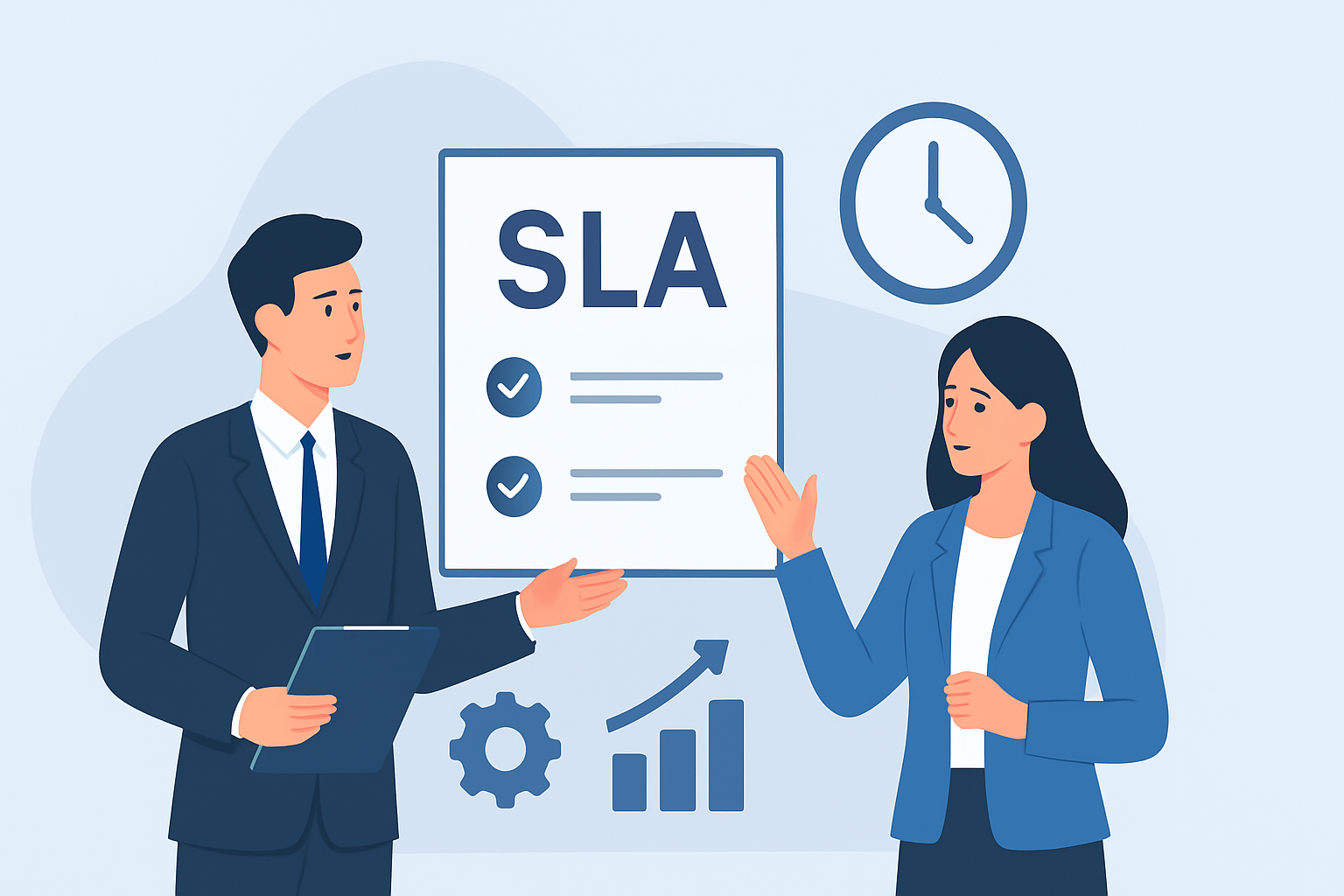
In today's fast-paced business environment, aligning Service Level Agreements (SLAs) with customer expectations is crucial for ensuring optimal service performance. An SLA is a contract between a service provider and a customer that outlines the expected level of service, including performance metrics, responsibilities, and penalties for non-compliance. In this article, we will explore effective strategies to ensure that SLAs meet customer expectations and enhance overall satisfaction.
Understanding Customer Expectations
Before aligning SLAs with customer expectations, it is essential to understand what those expectations are. Customers may have different priorities based on their industry, business model, and specific needs. Here are some ways to gain insights into customer expectations:
- Conduct Surveys: Regularly survey customers to gather feedback on their service needs and expectations.
- Customer Interviews: Engage in one-on-one discussions with key clients to understand their pain points and desires.
- Analyze Customer Data: Review historical data to identify trends in customer behavior and service requirements.
- Monitor Competitors: Keep an eye on what competitors are offering to ensure your SLAs are competitive and meet market standards.
Setting Realistic and Achievable SLAs
Once you have a clear understanding of customer expectations, the next step is to set realistic and achievable SLAs. Here are some tips for establishing effective SLAs:
- Define Clear Metrics: Identify specific, measurable performance indicators such as response time, resolution time, and uptime percentages.
- Involve Stakeholders: Collaborate with both internal teams and customers to ensure that all perspectives are considered when setting SLA terms.
- Be Transparent: Clearly communicate the terms of the SLA to customers, including any limitations or exclusions.
- Regularly Review SLAs: Periodically review and update SLAs to reflect changes in customer needs and business objectives.
Communicating SLA Terms Effectively
Effective communication is key to ensuring customers understand the SLAs. Consider the following strategies:
- Use Plain Language: Avoid technical jargon and ensure that SLA terms are easily understandable.
- Provide Examples: Use real-life scenarios to illustrate how the SLA will work in practice.
- Offer Training: Provide training sessions for customers to explain SLA terms and how they can leverage them for better service.
- Establish Point of Contact: Designate a representative who can address any questions or concerns regarding the SLA.
Monitoring and Reporting Performance
To maintain alignment between SLAs and customer expectations, continuous monitoring and reporting are essential. Here are some best practices for monitoring performance:
- Implement Monitoring Tools: Use software tools to track performance metrics in real-time.
- Regular Reporting: Provide customers with regular reports that detail SLA performance and any incidents or breaches.
- Feedback Mechanism: Establish a system for customers to provide feedback on service performance and SLA adherence.
Handling SLA Breaches
Despite best efforts, SLA breaches may occur. How you handle these situations can significantly impact customer satisfaction. Consider the following approaches:
- Immediate Communication: Inform customers promptly about any breaches and the reasons behind them.
- Apologize and Acknowledge: Acknowledge the issue and apologize for any inconvenience caused.
- Provide Solutions: Offer compensation or remedial actions to address the breach and restore customer trust.
- Analyze and Prevent: Conduct a root cause analysis to prevent future breaches and improve service delivery.
Conclusion
Aligning SLAs with customer expectations is a vital strategy for delivering optimal service performance. By understanding customer needs, setting achievable SLAs, communicating effectively, and monitoring performance, businesses can enhance customer satisfaction and build long-lasting relationships. Remember, an SLA is not just a contract; it is a commitment to providing the best possible service to your customers.
Este artigo faz parte do nosso blog. Veja-o na lista e descubra mais.
Ver todos os artigosSimplifique o seu apoio ao cliente. Organize tickets, responda mais rápido e mantenha a equipa alinhada.
Agendar Demonstração