How to Measure Customer Satisfaction Effectively and Improve Your Brand
How to Measure Customer Satisfaction Effectively and Improve Your Brand
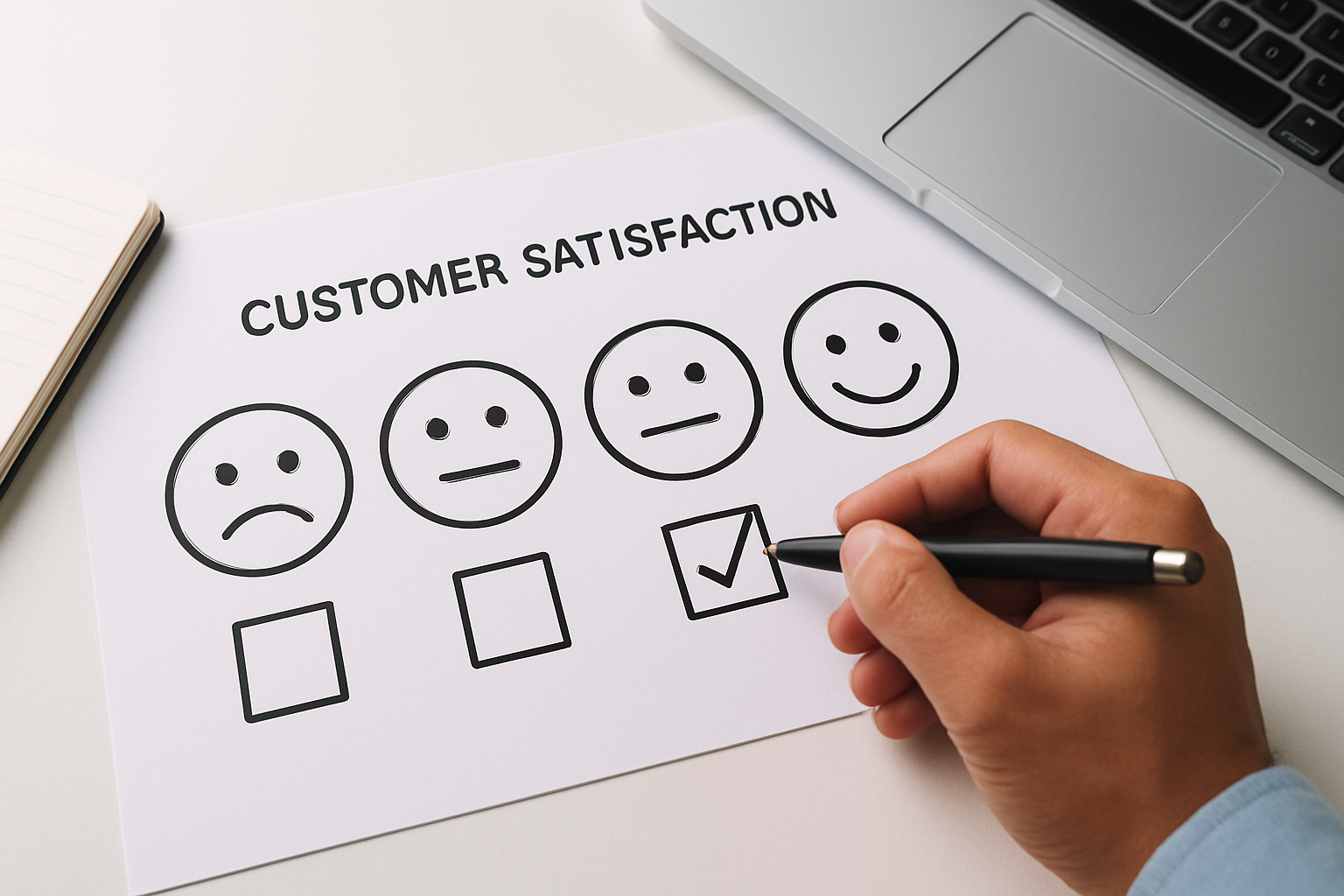
Customer satisfaction is a crucial element in the success of any business. Understanding how your customers feel about your products and services can help you make informed decisions, enhance customer loyalty, and ultimately improve your brand. In this article, we will explore effective methods for measuring customer satisfaction and strategies for using that data to boost your brand.
Why Customer Satisfaction Matters
Customer satisfaction is not just a metric; it is a fundamental aspect of your business strategy. Satisfied customers are more likely to return, recommend your services to others, and contribute to a positive brand image. Conversely, unhappy customers can lead to negative reviews and a tarnished reputation. Here are some reasons why measuring customer satisfaction is essential:
- Retention: Happy customers are more likely to remain loyal and continue purchasing from your brand.
- Feedback: Understanding customer opinions can provide insights into areas of improvement.
- Competitive Advantage: Companies that prioritize customer satisfaction often outperform their competitors.
- Brand Advocacy: Satisfied customers can become brand advocates, promoting your business through word-of-mouth.
Methods to Measure Customer Satisfaction
There are several effective methods to measure customer satisfaction. Here are some of the most common techniques:
1. Surveys
Surveys are one of the most direct ways to gauge customer satisfaction. You can use various formats, including:
- Email Surveys: Send surveys to customers after their purchase.
- Online Feedback Forms: Embed feedback forms on your website.
- Phone Surveys: Conduct follow-up calls to gather feedback.
2. Net Promoter Score (NPS)
NPS is a popular metric that measures customer loyalty by asking customers how likely they are to recommend your brand to others. The responses are categorized into promoters, passives, and detractors, giving you a clear picture of overall satisfaction.
3. Customer Satisfaction Score (CSAT)
CSAT is a straightforward metric that asks customers to rate their satisfaction with a specific interaction or overall experience. This score is often presented as a percentage and can provide immediate insights into customer feelings.
4. Social Media Monitoring
Monitoring social media platforms for mentions of your brand can help you gauge customer sentiment. Tools like Hootsuite or Brandwatch can assist in tracking customer feedback and engagement.
5. Customer Reviews
Encouraging and analyzing customer reviews on platforms like Google, Yelp, or Trustpilot can provide valuable insights into customer satisfaction and areas for improvement.
Analyzing and Acting on Customer Feedback
Once you have gathered customer feedback, the next step is to analyze the data and implement changes. Here are some strategies to consider:
- Identify Trends: Look for patterns in the feedback to pinpoint common issues or strengths.
- Prioritize Changes: Focus on the areas that will have the most significant impact on customer satisfaction.
- Communicate Changes: Let your customers know how their feedback has influenced your business decisions.
- Follow Up: After implementing changes, follow up with customers to see if their concerns have been addressed.
Conclusion
Measuring customer satisfaction is an ongoing process that requires dedication and responsiveness. By using effective measurement techniques and acting on customer feedback, you can enhance your brand's reputation, foster customer loyalty, and achieve long-term success. Remember, satisfied customers are the backbone of any thriving business.
Este artigo faz parte do nosso blog. Veja-o na lista e descubra mais.
Ver todos os artigosSimplifique o seu apoio ao cliente. Organize tickets, responda mais rápido e mantenha a equipa alinhada.
Agendar Demonstração