How to Measure Support Success: The Role of SLA in Customer Satisfaction
How to Measure Support Success: The Role of SLA in Customer Satisfaction
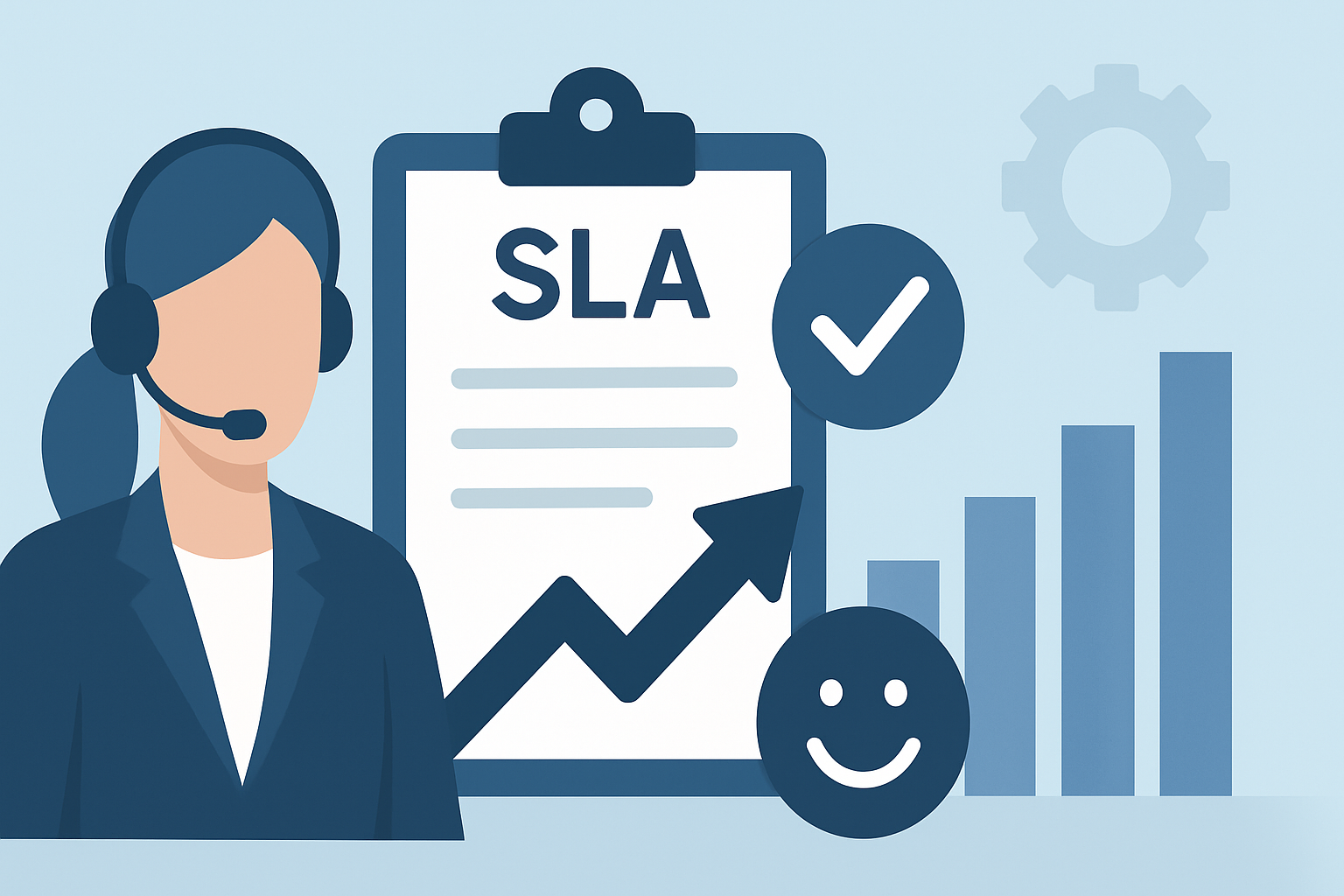
In today's fast-paced business environment, customer satisfaction is more critical than ever. One of the key metrics that organizations use to gauge their support success is the Service Level Agreement (SLA). An SLA outlines the expected level of service between a service provider and a customer, and it plays a vital role in measuring support success. In this article, we will explore how SLAs impact customer satisfaction and how to effectively measure support success.
Understanding SLAs
A Service Level Agreement is a formal document that defines the level of service expected from a service provider. It includes specific metrics that the provider agrees to meet, such as:
- Response Time: The time it takes for a support agent to respond to a customer inquiry.
- Resolution Time: The time it takes to resolve a customer issue from the moment it is reported.
- Availability: The hours during which support services are available to customers.
- Escalation Procedures: The process for escalating unresolved issues to higher support levels.
SLAs provide a benchmark for evaluating the performance of support teams and help set customer expectations. When customers know what to expect, it can lead to increased trust and satisfaction.
Measuring Support Success Through SLAs
To measure support success effectively, organizations should focus on the following key performance indicators (KPIs) derived from SLAs:
- First Response Time: Tracking how quickly support agents respond to customer inquiries can reveal the efficiency of the support team.
- Average Resolution Time: Assessing the average time taken to resolve issues helps identify bottlenecks in the support process.
- Customer Satisfaction Score (CSAT): After resolving an issue, collecting feedback through surveys can provide insights into customer satisfaction.
- Net Promoter Score (NPS): This metric measures customer loyalty and their likelihood of recommending your service to others.
By analyzing these KPIs, organizations can gain a comprehensive understanding of their support performance and make informed decisions to enhance customer satisfaction.
Improving Customer Satisfaction through Effective SLAs
To leverage SLAs for improving customer satisfaction, organizations should consider the following strategies:
- Set Realistic Expectations: Ensure that the SLA commitments are achievable based on available resources and capabilities.
- Regularly Review and Update SLAs: As customer needs evolve, so should the SLAs. Regular reviews can help keep the agreements relevant and effective.
- Communicate Clearly: Make sure that customers understand the SLAs and what they entail. Transparency fosters trust.
- Train Support Staff: Equip support teams with the necessary training and tools to meet SLA commitments consistently.
Conclusion
In conclusion, SLAs are a crucial component in measuring support success and enhancing customer satisfaction. By establishing clear expectations and tracking performance through relevant KPIs, organizations can identify areas for improvement and drive customer loyalty. By prioritizing SLAs and continuously seeking ways to enhance service delivery, businesses can ensure a positive customer experience, leading to long-term success.
Este artigo faz parte do nosso blog. Veja-o na lista e descubra mais.
Ver todos os artigosSimplifique o seu apoio ao cliente. Organize tickets, responda mais rápido e mantenha a equipa alinhada.
Agendar Demonstração