Maximizing Customer Satisfaction: How to Measure and Improve SLA Performance
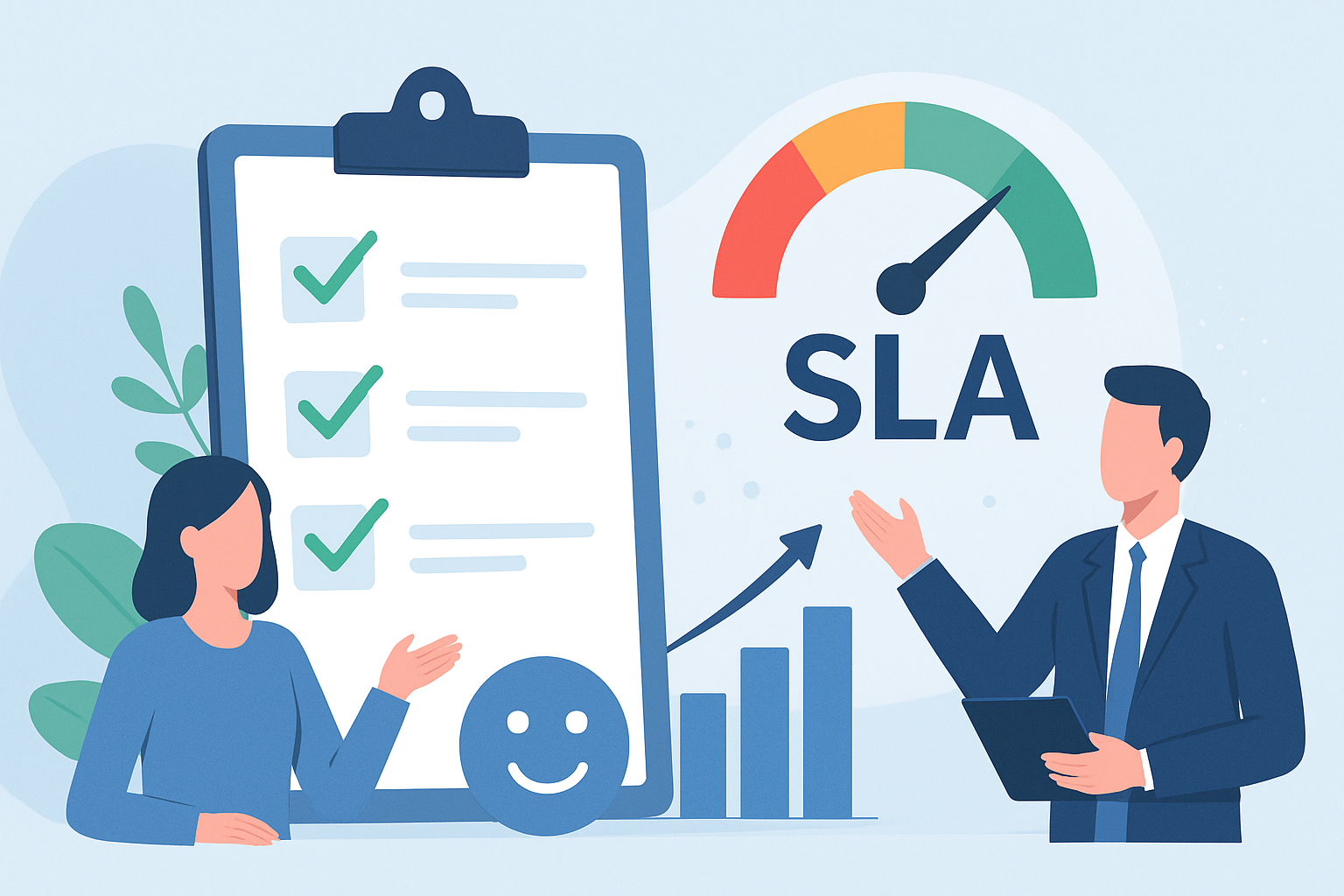
Maximizing Customer Satisfaction: How to Measure and Improve SLA Performance
In today’s competitive business landscape, customer satisfaction is paramount. One of the key components that contribute to customer satisfaction is Service Level Agreements (SLAs). These agreements set the expectations for service delivery, and effectively managing them can significantly enhance customer experiences. In this article, we will explore how to measure SLA performance and implement strategies to improve it.
Understanding SLAs
Service Level Agreements are formal contracts between service providers and customers that outline the expected level of service. SLAs include various metrics such as response times, resolution times, and service availability. Understanding these metrics is crucial for both parties to ensure transparency and accountability.
Measuring SLA Performance
Measuring SLA performance involves tracking specific metrics to determine how well service providers meet their commitments. Here are some essential steps for effective measurement:
- Define Clear Metrics: Establish specific and measurable metrics that align with your business objectives. Common metrics include response time, uptime, and customer satisfaction scores.
- Utilize Monitoring Tools: Implement monitoring tools that can track SLA performance in real-time. These tools can provide insights into service delivery and help identify areas for improvement.
- Regular Reporting: Develop a reporting system to regularly assess SLA performance. This could be weekly, monthly, or quarterly, depending on the nature of your business.
- Customer Feedback: Collect feedback from customers regarding their experiences with the service. This qualitative data can provide context to the quantitative metrics.
Improving SLA Performance
Once you have established a system for measuring SLA performance, the next step is to improve it. Here are some strategies to consider:
- Identify Bottlenecks: Analyze the data to identify any bottlenecks in the service delivery process. Understanding where delays occur can help in streamlining operations.
- Enhance Communication: Maintain open lines of communication between your team and customers. Keeping customers informed about any issues or delays can help manage expectations and improve satisfaction.
- Invest in Training: Ensure your team is well-trained in the tools and processes necessary to meet SLA commitments. Regular training sessions can keep the team updated on best practices and new technologies.
- Implement Continuous Improvement: Foster a culture of continuous improvement within your organization. Regularly review and refine your processes based on performance data and customer feedback.
Conclusion
Maximizing customer satisfaction through effective SLA management is an ongoing process that requires attention, measurement, and improvement. By understanding SLAs, measuring their performance accurately, and implementing strategies for enhancement, businesses can not only meet but exceed customer expectations. In turn, this leads to increased loyalty, better retention rates, and ultimately, a more successful business.
Este artigo faz parte do nosso blog. Veja-o na lista e descubra mais.
Ver todos os artigosSimplifique o seu apoio ao cliente. Organize tickets, responda mais rápido e mantenha a equipa alinhada.
Agendar Demonstração