Maximizing Customer Satisfaction: The Role of SLA in Support Metrics
Maximizing Customer Satisfaction: The Role of SLA in Support Metrics
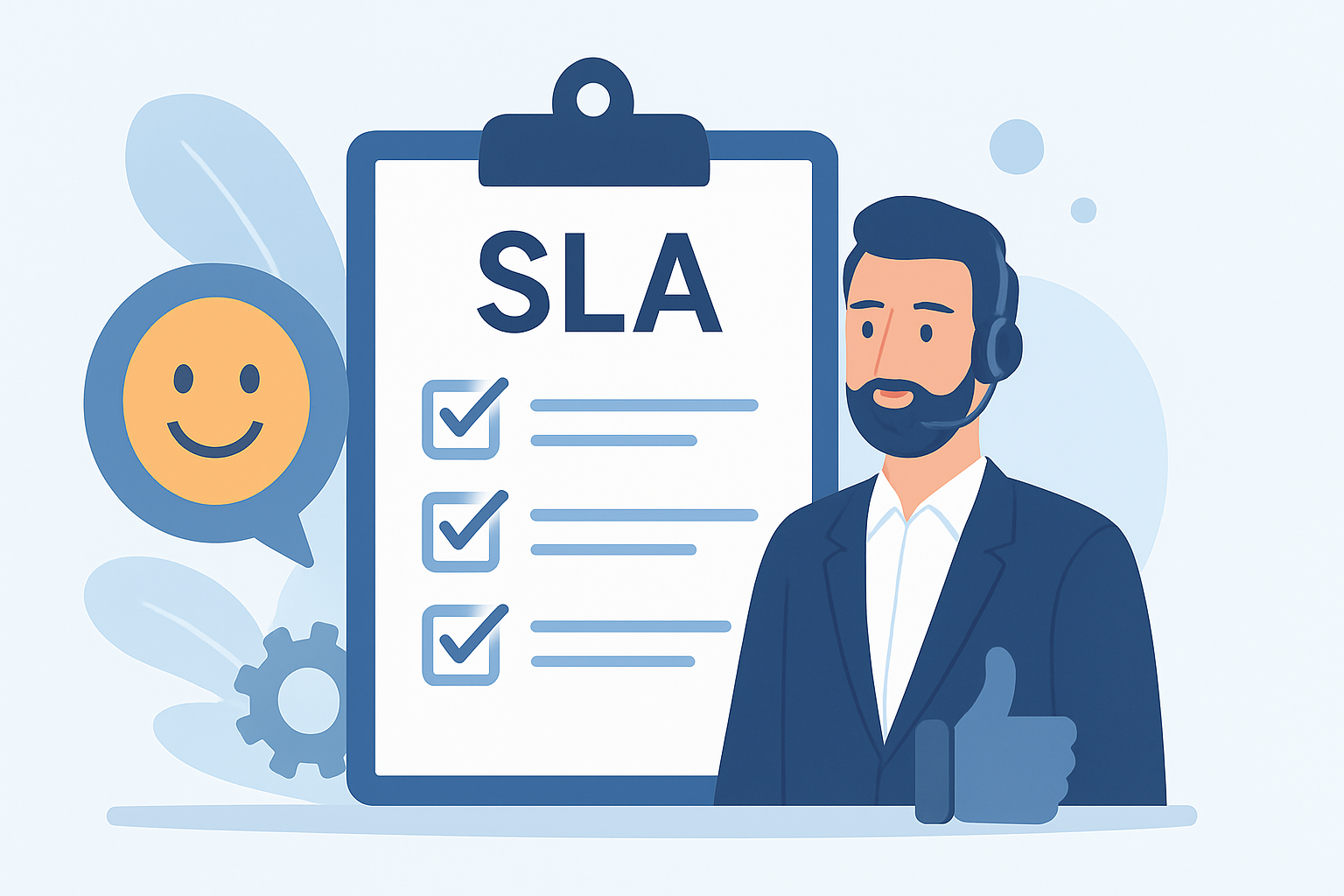
In today's competitive market, customer satisfaction is paramount for the success of any business. Companies are continually seeking ways to enhance their customer support services, and one effective strategy is implementing Service Level Agreements (SLAs). This article explores the significance of SLAs in support metrics and how they contribute to maximizing customer satisfaction.
What is an SLA?
A Service Level Agreement (SLA) is a formal document that outlines the expected level of service between a service provider and a customer. It defines specific metrics that measure the quality and efficiency of support services, such as response times, resolution times, and availability. SLAs not only set clear expectations but also serve as a benchmark for evaluating performance.
The Importance of SLAs in Customer Support
Implementing SLAs in customer support can lead to several benefits that ultimately enhance customer satisfaction:
- Clear Expectations: SLAs provide customers with a clear understanding of what to expect in terms of response and resolution times. This transparency helps manage customer expectations effectively.
- Accountability: By establishing specific metrics, SLAs hold support teams accountable for their performance. This accountability encourages teams to meet or exceed the agreed-upon standards.
- Improved Efficiency: SLAs help streamline support processes by setting defined goals. Support teams can prioritize tasks based on SLA commitments, leading to faster resolutions and improved service quality.
- Enhanced Customer Trust: When customers see that their service providers adhere to SLAs, it fosters trust and confidence in the company's ability to deliver quality support.
Key Metrics to Include in SLAs
To maximize the effectiveness of SLAs, it's crucial to include relevant metrics that reflect the true nature of customer support. Here are some key metrics to consider:
- Response Time: The time taken to acknowledge a customer's request. A shorter response time generally leads to higher customer satisfaction.
- Resolution Time: The time taken to resolve an issue. This metric is critical as it directly affects the customer's experience.
- First Contact Resolution Rate: The percentage of issues resolved during the first interaction. A high rate indicates efficiency and effectiveness in support.
- Customer Satisfaction Score (CSAT): A measure of customer satisfaction with the support received, usually gathered through surveys.
Best Practices for Implementing SLAs
To ensure that SLAs are effective in enhancing customer satisfaction, consider the following best practices:
- Involve Stakeholders: Engage key stakeholders in the development of SLAs to ensure that they reflect the needs and expectations of customers.
- Regularly Review and Update SLAs: As business needs and customer expectations evolve, SLAs should be reviewed and updated regularly to remain relevant.
- Train Support Staff: Ensure that all support staff are familiar with the SLA metrics and understand the importance of meeting these standards.
- Monitor Performance: Continuously monitor performance against SLA metrics and use this data to identify areas for improvement.
Conclusion
In conclusion, Service Level Agreements play a crucial role in maximizing customer satisfaction by setting clear expectations, ensuring accountability, and improving efficiency in support services. By incorporating relevant metrics and following best practices, businesses can enhance their customer support and build lasting relationships with their clients. Ultimately, the effective use of SLAs not only benefits customers but also contributes to the overall success of the organization.
Este artigo faz parte do nosso blog. Veja-o na lista e descubra mais.
Ver todos os artigosSimplifique o seu apoio ao cliente. Organize tickets, responda mais rápido e mantenha a equipa alinhada.
Agendar Demonstração