Maximizing Customer Satisfaction through Enhanced SLA Strategies
Maximizing Customer Satisfaction through Enhanced SLA Strategies
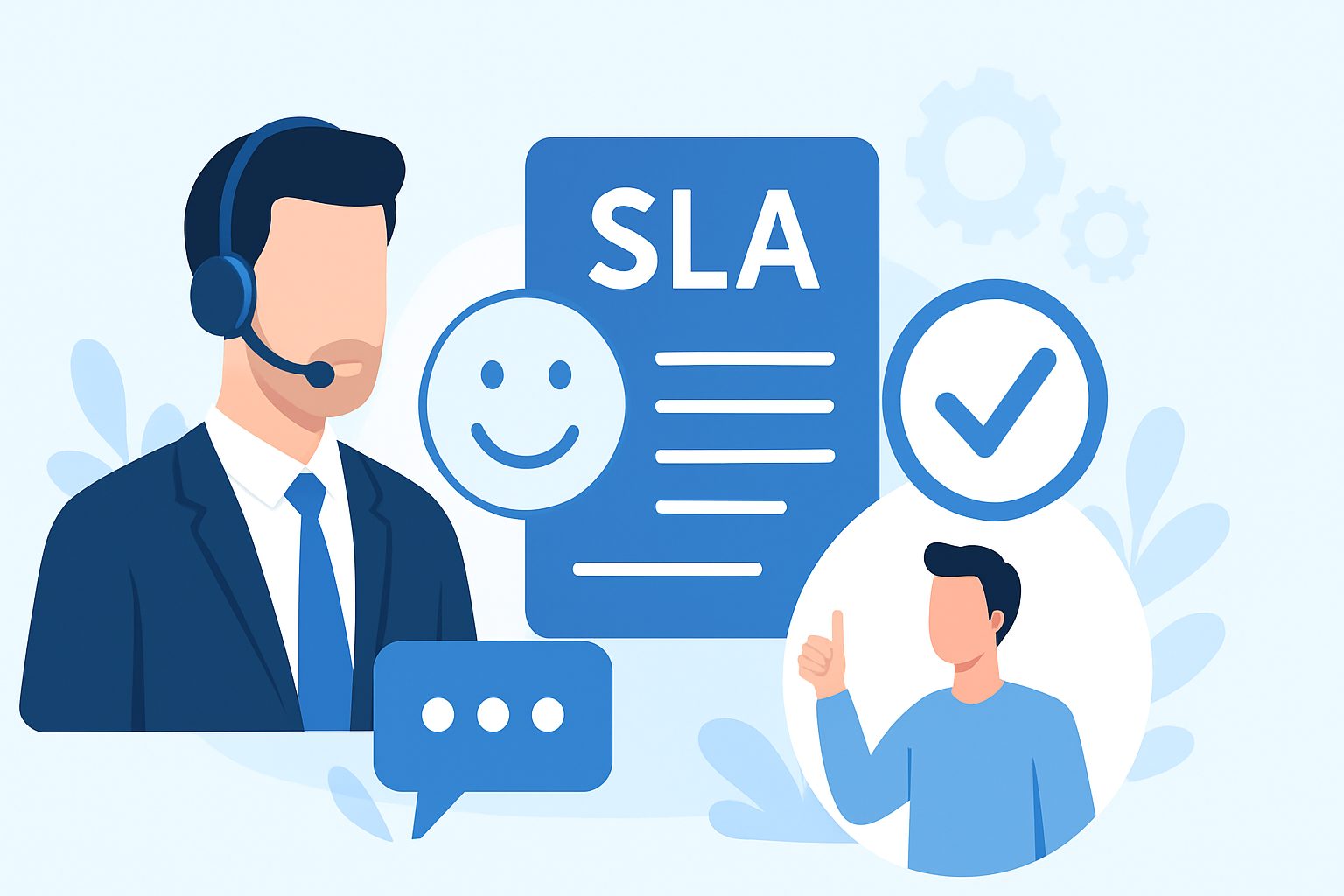
In today's highly competitive market, customer satisfaction is paramount for business success. One of the most effective ways to ensure that customers remain satisfied is through the implementation of robust Service Level Agreements (SLAs). This article explores how enhancing SLA strategies can lead to improved customer satisfaction and loyalty.
Understanding SLAs
A Service Level Agreement (SLA) is a formal document that outlines the expected service levels between a service provider and a customer. It serves as a benchmark for service quality and includes metrics such as response time, uptime, and issue resolution time. By clearly defining these expectations, businesses can create a foundation for trust and accountability.
The Importance of Enhanced SLA Strategies
Enhanced SLA strategies go beyond basic agreements to focus on continuous improvement and customer-centric approaches. Here are some reasons why improving SLA strategies is essential:
- Aligning Expectations: By setting clear and measurable objectives, customers know what to expect, which reduces frustration and enhances satisfaction.
- Proactive Communication: Regular updates and open lines of communication help customers feel valued and informed, leading to a more positive experience.
- Accountability: Enhanced SLAs hold service providers accountable for their commitments, ensuring that customers receive the service quality they deserve.
- Feedback Mechanisms: Incorporating customer feedback into SLA reviews allows businesses to adapt and evolve their services to meet changing customer needs.
Strategies for Enhancing SLAs
To maximize customer satisfaction through enhanced SLA strategies, businesses can consider the following approaches:
- Regular Review and Updates: Periodically assess and update SLAs to reflect the current business environment, technological advancements, and customer expectations.
- Incorporate Customer Feedback: Actively seek feedback from customers regarding service performance and use this information to improve SLA terms.
- Set Realistic and Achievable Metrics: Establish metrics that are challenging yet attainable, ensuring that they motivate teams while remaining realistic.
- Implement a Tiered SLA Structure: Offer different levels of service based on customer needs, allowing for flexibility and customization.
- Utilize Technology: Leverage technology to monitor performance metrics in real-time, enabling quicker responses to issues and better service delivery.
Measuring the Impact of Enhanced SLAs
To determine the effectiveness of enhanced SLA strategies, businesses should implement key performance indicators (KPIs) such as:
- Customer Satisfaction Score (CSAT)
- Net Promoter Score (NPS)
- First Response Time
- Resolution Time
- Service Uptime Percentage
Regularly analyzing these metrics will help businesses understand the impact of their SLA strategies on customer satisfaction and identify areas for further improvement.
Conclusion
Maximizing customer satisfaction through enhanced SLA strategies is not just about meeting service expectations; it’s about building strong relationships with customers. By aligning service delivery with customer needs and continuously improving SLA terms, businesses can foster loyalty and ensure long-term success. Investing in effective SLA strategies is an investment in customer satisfaction and, ultimately, in the future of the business.
Este artigo faz parte do nosso blog. Veja-o na lista e descubra mais.
Ver todos os artigosSimplifique o seu apoio ao cliente. Organize tickets, responda mais rápido e mantenha a equipa alinhada.
Agendar Demonstração