Maximizing Customer Satisfaction Through Smart SLA Strategies
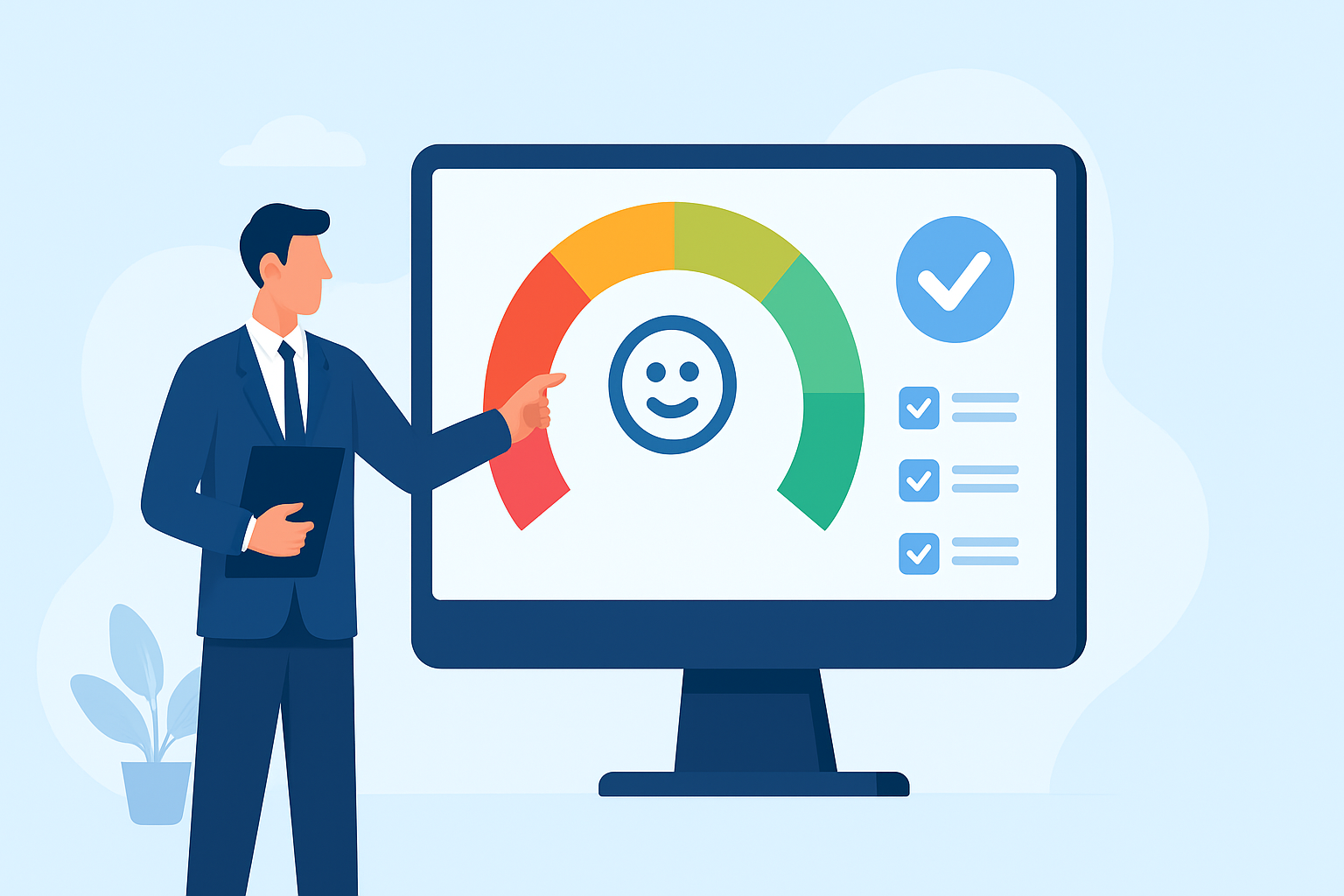
Maximizing Customer Satisfaction Through Smart SLA Strategies
In today's competitive business landscape, customer satisfaction is paramount. One effective way to enhance customer satisfaction is through the implementation of Service Level Agreements (SLAs). Smart SLA strategies not only define the expectations between service providers and clients but also ensure that these expectations are met consistently. This article explores how to maximize customer satisfaction through well-structured SLA strategies.
Understanding Service Level Agreements
Service Level Agreements are formal documents that outline the expected level of service between a provider and a customer. They typically include metrics for measuring performance, such as response times, resolution times, and service availability. By establishing clear SLAs, businesses can create a framework for accountability and transparency.
Key Components of Effective SLAs
To develop an SLA that maximizes customer satisfaction, consider the following key components:
- Clear Objectives: Define the specific goals of the SLA. What services are being provided? What are the expected outcomes?
- Measurable Metrics: Establish quantifiable metrics that can be monitored and reported. This may include response times, uptime percentages, and customer satisfaction scores.
- Service Availability: Clearly state the hours of operation and any planned downtime for maintenance. This helps set realistic expectations for customers.
- Punishments and Rewards: Include clauses that detail what happens in case of SLA breaches, as well as incentives for exceeding expectations. This encourages accountability on both sides.
Aligning SLAs with Customer Needs
One of the most critical aspects of creating effective SLAs is ensuring they are aligned with customer needs. To achieve this, businesses should:
- Engage Customers: Involve customers in the SLA creation process. Gather feedback on their expectations and pain points.
- Regular Reviews: Conduct periodic reviews of the SLA to ensure it remains relevant and continues to meet evolving customer needs.
- Flexible Terms: Design SLAs that can adapt to changes in customer requirements or market conditions.
Communicating SLAs Effectively
Once SLAs are established, effective communication is essential. Here are some best practices:
- Transparency: Share the SLA with all stakeholders to ensure everyone understands the commitments being made.
- Training: Provide training for staff on the SLA terms so they can effectively manage customer expectations.
- Regular Updates: Keep customers informed about any changes to the SLA and how these changes may impact them.
Monitoring and Reporting
To maximize customer satisfaction, it is crucial to monitor SLA performance continuously. Implement a robust reporting system that allows for:
- Real-Time Tracking: Use tools that provide real-time data on SLA performance metrics.
- Regular Reports: Generate regular reports that summarize performance against SLA metrics and share these with customers.
- Feedback Loops: Establish channels for customers to provide feedback on service performance, which can be used to improve future SLAs.
Conclusion
Maximizing customer satisfaction through smart SLA strategies requires a thoughtful approach that aligns with customer needs, involves clear communication, and ensures accountability. By focusing on the key components of effective SLAs, engaging with customers, and continuously monitoring performance, businesses can not only meet but exceed customer expectations, leading to improved loyalty and long-term success.
Este artigo faz parte do nosso blog. Veja-o na lista e descubra mais.
Ver todos os artigosSimplifique o seu apoio ao cliente. Organize tickets, responda mais rápido e mantenha a equipa alinhada.
Agendar Demonstração