Maximizing Efficiency: How SLA and Support Metrics Work Together
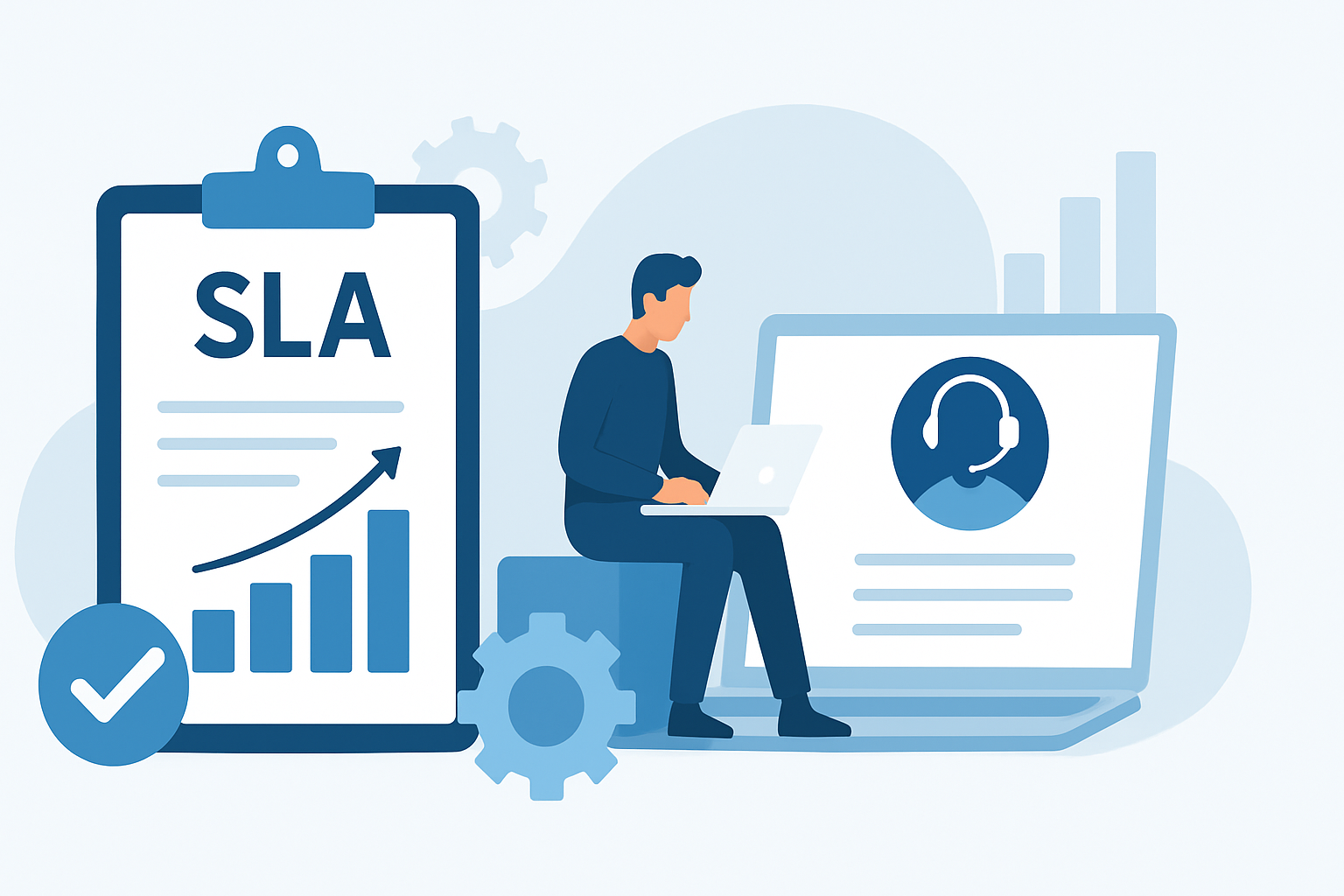
Maximizing Efficiency: How SLA and Support Metrics Work Together
In today's fast-paced business environment, delivering exceptional customer service is paramount. One of the key components in achieving this is understanding how Service Level Agreements (SLAs) and support metrics work in tandem to enhance efficiency. This article will explore the relationship between SLAs and support metrics, and how businesses can leverage them to optimize their operations.
Understanding SLAs
A Service Level Agreement (SLA) is a formal agreement between a service provider and a client that outlines the expected level of service. SLAs typically include specific metrics that define the quality, availability, and responsibilities of the service. Common elements of SLAs include:
- Response Time: The time taken to acknowledge a customer's request.
- Resolution Time: The time required to resolve an issue or fulfill a request.
- Availability: The percentage of time the service is operational and accessible to users.
- Performance Metrics: Specific standards for service quality, such as uptime and error rates.
The Role of Support Metrics
Support metrics are quantifiable measures that help organizations assess the performance of their customer support teams. These metrics provide insights into how effectively a support team is operating and can highlight areas for improvement. Key support metrics include:
- First Response Time: The average time taken to respond to a customer inquiry.
- Customer Satisfaction Score (CSAT): A measure of customer satisfaction based on feedback after an interaction.
- Ticket Volume: The number of support requests received over a specific period.
- Resolution Rate: The percentage of support tickets resolved within a given timeframe.
How SLAs and Support Metrics Work Together
SLAs and support metrics are interconnected; SLAs provide the framework for the expected service levels, while support metrics offer the data needed to assess whether those levels are being met. Here’s how they complement each other:
- Setting Expectations: SLAs establish clear expectations for both the service provider and the client. Support metrics help track performance against these expectations.
- Identifying Trends: By analyzing support metrics, organizations can identify patterns or trends that may indicate whether SLA targets are being met or need adjustment.
- Continuous Improvement: Regularly reviewing support metrics in relation to SLAs allows organizations to identify areas for improvement, ensuring that they can adapt to changing customer needs.
- Accountability: SLAs create accountability for service providers, while support metrics provide the evidence needed to hold teams responsible for their performance.
Best Practices for Maximizing Efficiency
To maximize efficiency through the integration of SLAs and support metrics, consider the following best practices:
- Define Clear SLAs: Ensure that SLAs are clearly defined and communicated to all stakeholders, including clients and support teams.
- Regularly Monitor Metrics: Continuously monitor support metrics to gauge performance and identify areas of concern.
- Conduct Regular Reviews: Hold regular reviews of SLA performance and support metrics to assess effectiveness and make necessary adjustments.
- Invest in Training: Provide ongoing training for support staff to ensure they have the skills and knowledge needed to meet SLA requirements.
- Utilize Technology: Leverage customer support software and tools that can automate tracking and reporting of SLAs and support metrics.
Conclusion
In conclusion, the synergy between SLAs and support metrics is vital for maximizing efficiency in customer support operations. By establishing clear SLAs and continuously monitoring relevant metrics, organizations can enhance their service delivery, improve customer satisfaction, and ultimately drive business success. Embracing this integrated approach will not only meet customer expectations but also foster a culture of continuous improvement within support teams.
Este artigo faz parte do nosso blog. Veja-o na lista e descubra mais.
Ver todos os artigosSimplifique o seu apoio ao cliente. Organize tickets, responda mais rápido e mantenha a equipa alinhada.
Agendar Demonstração