Maximizing Support Efficiency: How SLA Metrics Drive Performance
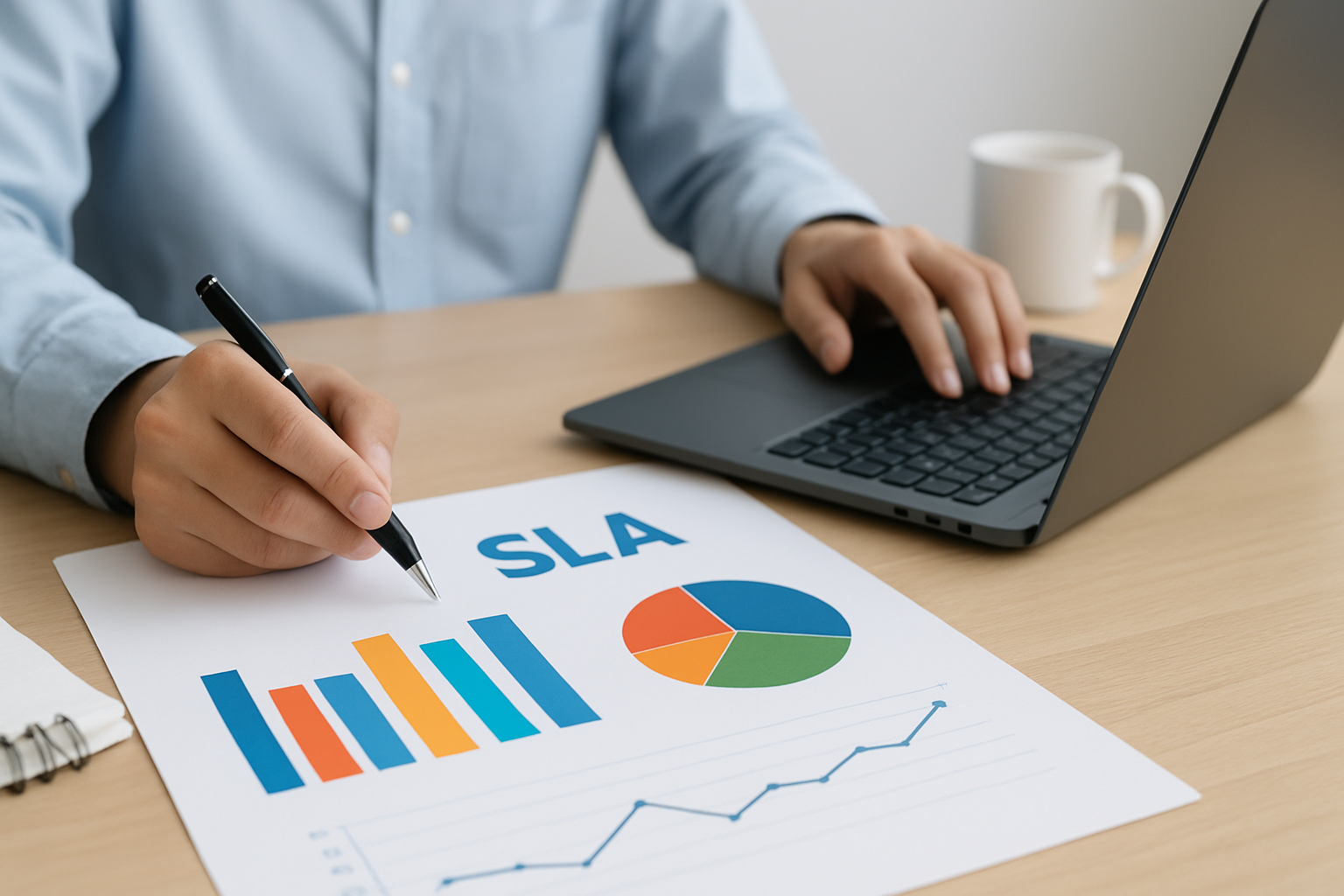
Maximizing Support Efficiency: How SLA Metrics Drive Performance
In today’s fast-paced business environment, customer satisfaction is paramount. One of the most effective ways to ensure excellent customer service is through the implementation of Service Level Agreements (SLAs). SLAs define the expected level of service between a provider and a customer, and they play a crucial role in maximizing support efficiency. This article will explore the importance of SLA metrics and how they can drive performance in customer support.
Understanding SLA Metrics
SLA metrics are quantifiable measures that help organizations assess the performance of their support services. These metrics typically include:
- Response Time: The time taken to respond to a customer inquiry.
- Resolution Time: The time taken to resolve a customer issue.
- Uptime: The percentage of time the service is operational and available to users.
- First Contact Resolution (FCR): The percentage of issues resolved on the first contact with the customer.
- Customer Satisfaction Score (CSAT): A metric that measures customer satisfaction based on their interactions with support.
Why SLA Metrics Matter
Implementing SLA metrics is vital for several reasons:
- Performance Measurement: SLA metrics provide a clear framework for measuring the performance of support teams. This helps in identifying areas that require improvement.
- Accountability: By setting specific metrics, teams are held accountable for their performance, which can drive motivation and efficiency.
- Customer Expectations: SLAs help set clear expectations for customers regarding response and resolution times, leading to higher satisfaction.
- Resource Allocation: Understanding performance metrics allows organizations to allocate resources more effectively, ensuring that support teams are adequately staffed during peak times.
How to Leverage SLA Metrics for Improved Performance
To maximize support efficiency using SLA metrics, organizations should consider the following strategies:
- Regular Monitoring: Continuously monitor SLA metrics to identify trends and areas for improvement. Utilize dashboards and reporting tools for real-time insights.
- Set Realistic Goals: Ensure that SLA targets are achievable and aligned with customer expectations. Unrealistic goals can demotivate staff and lead to poor performance.
- Training and Development: Invest in training programs that enhance the skills of support staff, enabling them to meet SLA requirements more effectively.
- Feedback Loops: Establish feedback mechanisms that allow customers to share their experiences. Use this feedback to refine processes and improve SLA performance.
- Continuous Improvement: Foster a culture of continuous improvement where teams regularly review and adjust their processes based on SLA performance and customer feedback.
Conclusion
Maximizing support efficiency is essential for any organization aiming to provide outstanding customer service. By understanding and leveraging SLA metrics, businesses can drive performance, enhance accountability, and ultimately improve customer satisfaction. Implementing a structured approach to monitor and manage these metrics will not only benefit the support teams but also foster long-term customer loyalty.
Este artigo faz parte do nosso blog. Veja-o na lista e descubra mais.
Ver todos os artigosSimplifique o seu apoio ao cliente. Organize tickets, responda mais rápido e mantenha a equipa alinhada.
Agendar Demonstração