Maximizing Support Efficiency Through Strategic SLA Implementation
Maximizing Support Efficiency Through Strategic SLA Implementation
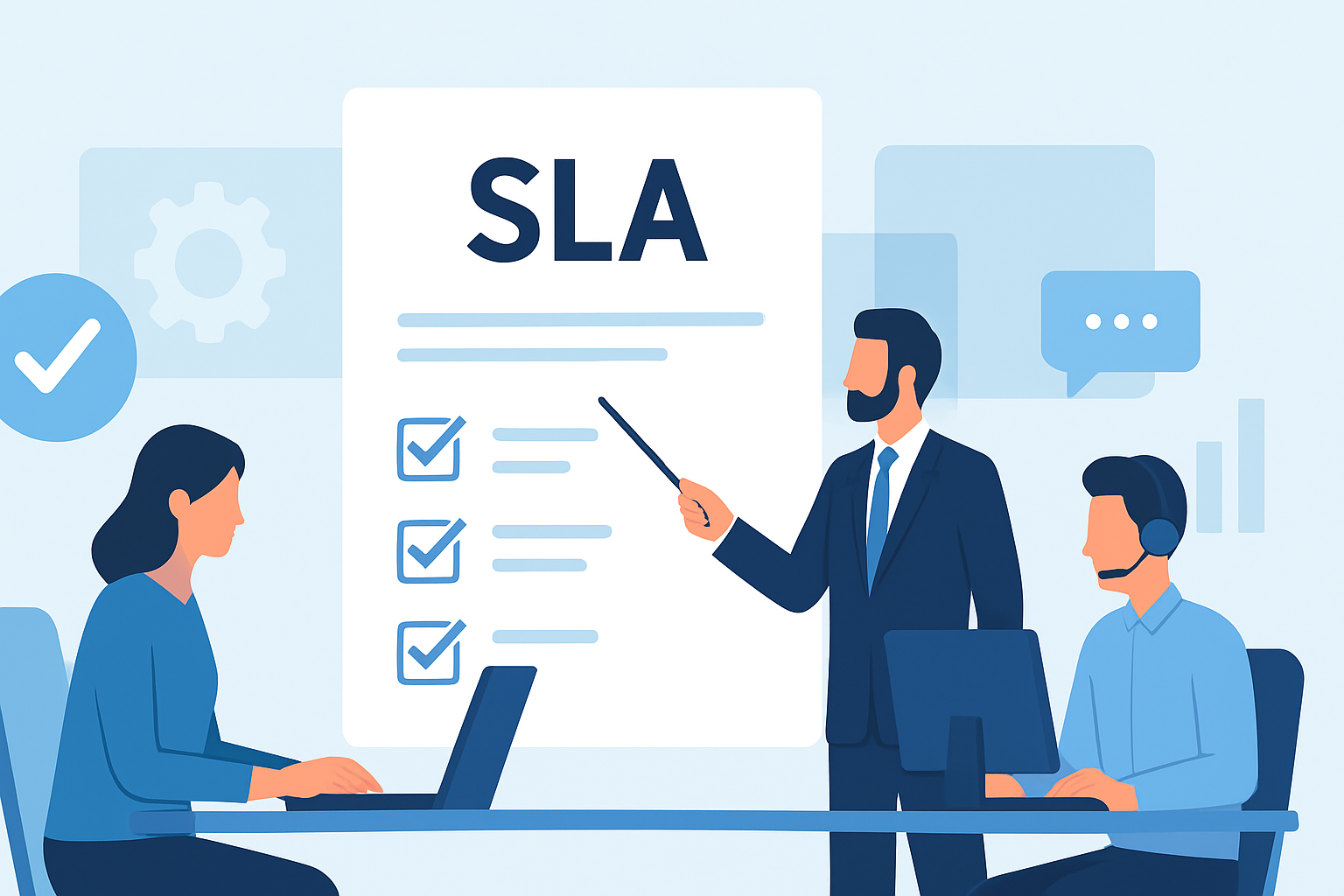
Service Level Agreements (SLAs) are crucial components of customer service and support operations. They define the expectations between service providers and clients, establishing clear guidelines for service delivery. In today's competitive landscape, maximizing support efficiency through strategic SLA implementation can significantly enhance customer satisfaction and loyalty.
Understanding the Importance of SLAs
SLAs serve multiple purposes in a business environment:
- Expectation Management: They clarify what customers can expect in terms of service quality, response times, and issue resolution.
- Performance Measurement: SLAs provide benchmarks against which service performance can be measured, allowing for accountability.
- Continuous Improvement: By analyzing SLA compliance, organizations can identify areas for improvement and enhance their service delivery over time.
Key Components of Effective SLAs
To create an effective SLA, it is essential to include the following components:
- Scope of Services: Clearly define the services provided, including any limitations or exclusions.
- Performance Metrics: Specify measurable criteria such as response times, resolution times, and customer satisfaction scores.
- Responsibilities: Outline the responsibilities of both the service provider and the client to ensure clarity and accountability.
- Reporting and Review Process: Establish a process for reporting performance against the SLA and a schedule for regular reviews.
- Penalties and Remedies: Detail the consequences for failing to meet SLA standards, which can include service credits or other compensations.
Strategies for Implementing SLAs Effectively
Implementing SLAs effectively requires strategic planning and execution. Here are some strategies to consider:
1. Involve Stakeholders
Engage key stakeholders, including service teams and clients, in the SLA development process to ensure it meets the needs of all parties involved.
2. Align SLAs with Business Goals
Ensure that SLAs align with the broader business objectives. This alignment will help in prioritizing the critical areas of service delivery that impact customer satisfaction.
3. Use Technology to Monitor Performance
Leverage technology and tools for real-time monitoring and reporting of SLA performance metrics. This can help in quickly identifying issues and implementing corrective actions.
4. Train Your Team
Provide training for your support team on the importance of SLAs and how to meet the agreed-upon standards. This can foster a culture of accountability and excellence.
5. Regularly Review and Update SLAs
Regularly review and update SLAs to reflect changes in business processes, customer expectations, or market conditions. This ensures that SLAs remain relevant and effective.
Measuring the Impact of SLAs on Support Efficiency
To determine the effectiveness of your SLAs in enhancing support efficiency, consider the following metrics:
- First Contact Resolution Rate: Measure the percentage of issues resolved on the first interaction with the customer.
- Average Response Time: Track the average time taken to respond to customer inquiries.
- Customer Satisfaction Scores: Use surveys to gauge customer satisfaction and gather feedback on service delivery.
- SLAs Compliance Rate: Monitor the percentage of SLA targets met over a specific period.
Conclusion
Strategic SLA implementation is vital for maximizing support efficiency and enhancing customer relationships. By establishing clear expectations, measuring performance, and fostering continuous improvement, organizations can create a robust support framework that drives customer satisfaction and loyalty. As businesses evolve, so too should their SLAs, ensuring they remain effective tools for service excellence.
Este artigo faz parte do nosso blog. Veja-o na lista e descubra mais.
Ver todos os artigosSimplifique o seu apoio ao cliente. Organize tickets, responda mais rápido e mantenha a equipa alinhada.
Agendar Demonstração