Measuring Customer Experience: Tools and Metrics for Improvement
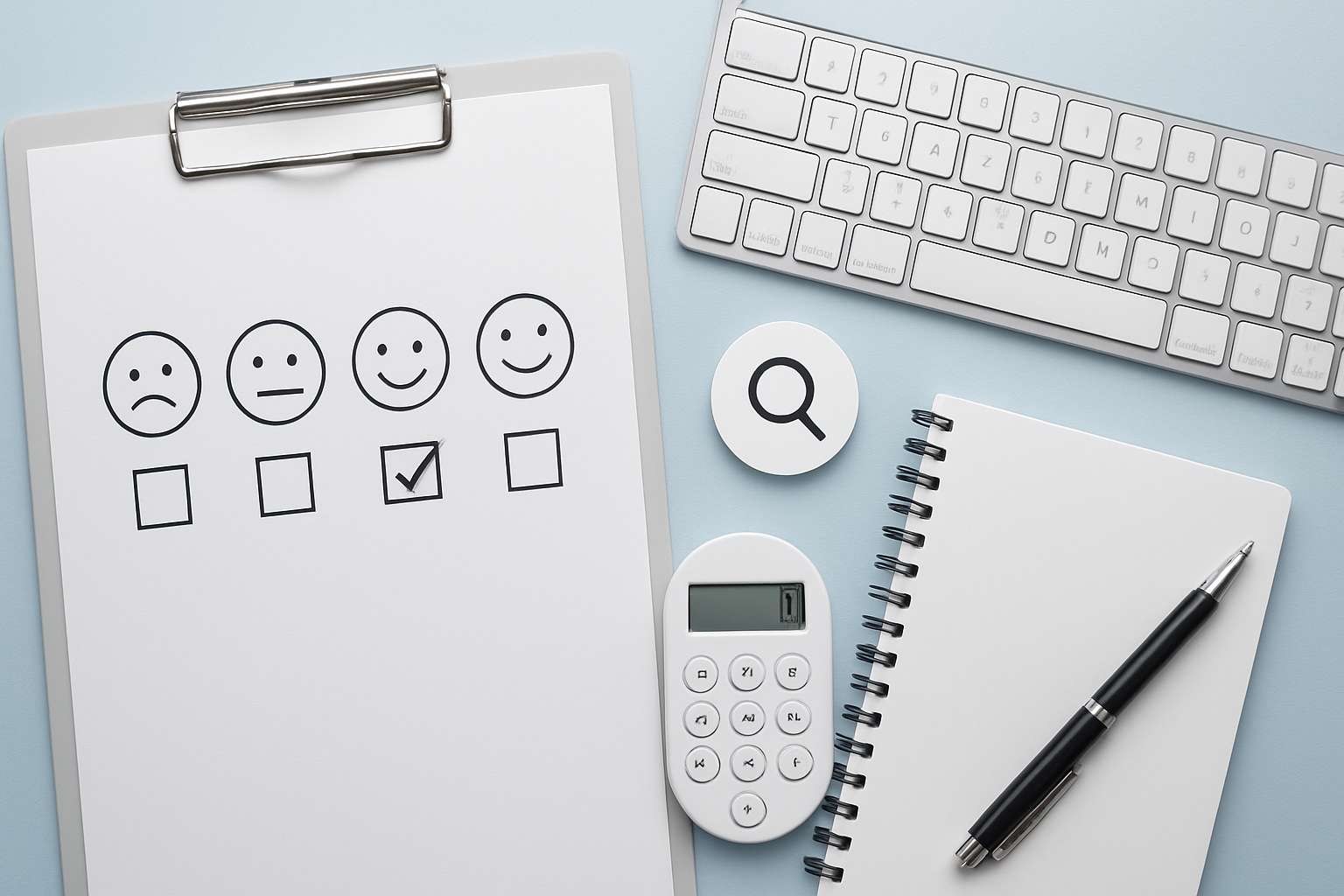
Measuring Customer Experience: Tools and Metrics for Improvement
In today's competitive market, understanding and improving customer experience (CX) is crucial for businesses aiming for long-term success. Measuring CX effectively requires a combination of the right tools and metrics. This article explores various methodologies, tools, and metrics that can help businesses enhance their customer experience.
Why Measuring Customer Experience Matters
Customer experience is the sum of all interactions a customer has with a brand, from the initial awareness to post-purchase support. Measuring CX is important because:
- Customer Retention: A positive experience leads to loyalty, while negative experiences can drive customers away.
- Brand Reputation: Satisfied customers are more likely to recommend your business, enhancing your reputation.
- Informed Decision-Making: Data-driven insights help businesses make strategic improvements.
Key Metrics for Measuring Customer Experience
To effectively measure customer experience, businesses can utilize several key metrics, including:
- Net Promoter Score (NPS): This metric gauges customer loyalty by asking how likely customers are to recommend your product or service to others.
- Customer Satisfaction Score (CSAT): CSAT measures how satisfied customers are with a specific interaction or overall experience.
- Customer Effort Score (CES): CES assesses how easy it is for customers to accomplish a task, like resolving an issue or making a purchase.
- Churn Rate: This metric indicates the percentage of customers who stop using your product or service over a given period.
Tools for Measuring Customer Experience
Several tools can help businesses gather the data needed to measure and improve customer experience:
- Survey Tools: Platforms like SurveyMonkey or Typeform allow businesses to create and distribute surveys to collect customer feedback.
- Customer Relationship Management (CRM) Software: Tools like Salesforce or HubSpot help track customer interactions and gather insights on customer behavior.
- Analytics Tools: Google Analytics can provide valuable data on customer behavior on websites, helping identify areas for improvement.
- Social Listening Tools: Tools like Hootsuite or Brandwatch enable businesses to monitor social media conversations and feedback about their brand.
Best Practices for Measuring and Improving Customer Experience
Implementing the right tools and metrics is just the beginning. Here are some best practices for effectively measuring and improving customer experience:
- Regularly Collect Feedback: Make it a habit to solicit feedback from customers at various touchpoints.
- Analyze Data Thoroughly: Use data analysis to identify trends and areas for improvement in your customer experience.
- Act on Feedback: Ensure that you take actionable steps based on the feedback you receive to show customers that their opinions matter.
- Train Employees: Equip your team with the skills and knowledge needed to enhance customer interactions.
Conclusion
Measuring customer experience is essential for any business looking to thrive in today's market. By leveraging the right tools and metrics, companies can gain valuable insights into customer preferences and behaviors. By continuously measuring and improving customer experience, businesses can foster loyalty, enhance brand reputation, and ultimately drive growth.
Este artigo faz parte do nosso blog. Veja-o na lista e descubra mais.
Ver todos os artigosSimplifique o seu apoio ao cliente. Organize tickets, responda mais rápido e mantenha a equipa alinhada.
Agendar Demonstração