Measuring Customer Satisfaction: Tools and Techniques You Need
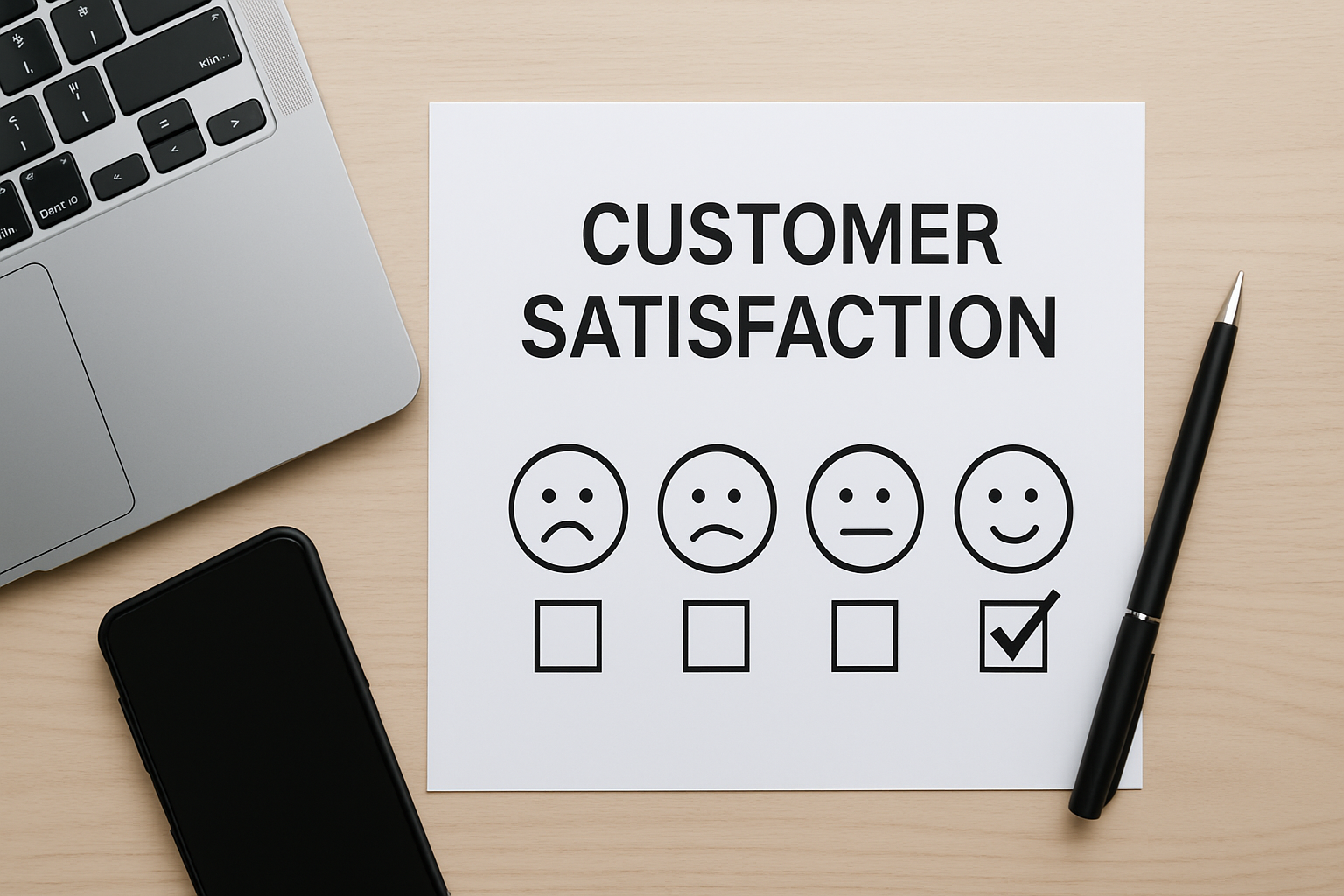
Measuring Customer Satisfaction: Tools and Techniques You Need
In today’s competitive marketplace, understanding customer satisfaction is essential for any business aiming to thrive. Satisfied customers are more likely to return and recommend your services, making it crucial to measure their satisfaction accurately. This article will explore various tools and techniques that can help you gauge customer satisfaction effectively.
Why Measure Customer Satisfaction?
Measuring customer satisfaction provides insights into how well your products or services meet customer expectations. It helps identify areas for improvement and can lead to increased customer loyalty and revenue. Here are some key reasons to measure customer satisfaction:
- Improved Customer Retention: Understanding what customers value helps you enhance their experience.
- Identifying Areas for Improvement: Feedback can highlight specific aspects of your service or product that need attention.
- Benchmarking: Regular measurement allows you to track performance over time and against competitors.
- Enhancing Brand Reputation: Satisfied customers are likely to share their positive experiences, enhancing your brand’s image.
Tools for Measuring Customer Satisfaction
There are numerous tools available for measuring customer satisfaction. Here are some of the most popular:
- Surveys: One of the most common methods, surveys can be distributed via email, online platforms, or directly after a service interaction. Tools like SurveyMonkey and Google Forms can help create and analyze surveys.
- Net Promoter Score (NPS): This tool measures customer loyalty by asking how likely customers are to recommend your business to others. A simple scale from 0 to 10 helps categorize customers into promoters, passives, and detractors.
- Customer Satisfaction Score (CSAT): This is a straightforward metric that asks customers to rate their satisfaction with a product or service on a scale (e.g., 1-5). It provides immediate feedback on specific transactions.
- Customer Effort Score (CES): This score measures how easy it was for customers to interact with your company. It’s particularly useful for assessing customer service interactions.
Techniques for Collecting Feedback
Collecting feedback effectively is as important as the tools you use. Here are some techniques to consider:
- Timing is Key: Send surveys shortly after a purchase or interaction to capture fresh impressions.
- Incentivize Responses: Offering discounts or rewards can encourage customers to take the time to provide feedback.
- Keep it Simple: Ensure that surveys are concise and easy to understand. Long surveys can deter responses.
- Use Multiple Channels: Consider using a mix of email, web, and social media to reach a broader audience and gather diverse insights.
Analyzing the Data
Once you have collected customer feedback, the next step is to analyze the data. Here are some tips for effective analysis:
- Look for Trends: Identify patterns in the data over time to understand the overall customer sentiment.
- Segment Your Data: Analyze feedback based on different customer segments (age, location, purchase history) to gain deeper insights.
- Act on Feedback: Use the insights gained to make informed decisions and improvements in your products or services.
Conclusion
Measuring customer satisfaction is not just about collecting data; it’s about understanding your customers and taking actionable steps to enhance their experience. By utilizing the right tools and techniques, you can effectively gauge customer satisfaction and foster loyalty that will benefit your business in the long run. Start implementing these strategies today and watch your customer satisfaction levels soar!
Este artigo faz parte do nosso blog. Veja-o na lista e descubra mais.
Ver todos os artigosSimplifique o seu apoio ao cliente. Organize tickets, responda mais rápido e mantenha a equipa alinhada.
Agendar Demonstração