Measuring Success: How SLA Impacts Your Support Team's Performance
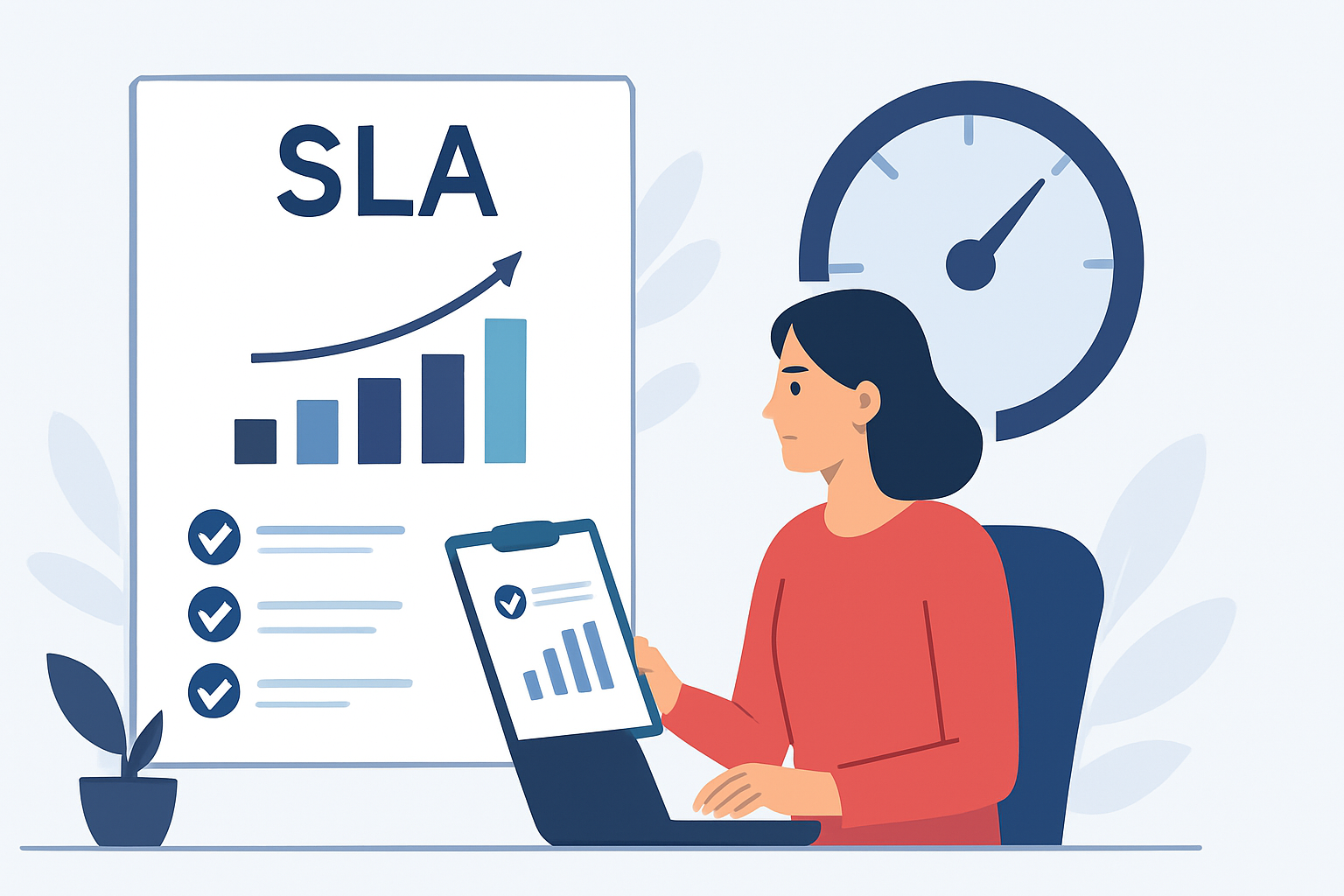
Measuring Success: How SLA Impacts Your Support Team's Performance
In today's fast-paced business environment, customer satisfaction is paramount. One of the key metrics that organizations use to gauge their customer service effectiveness is the Service Level Agreement (SLA). This article delves into the importance of SLAs, how they influence the performance of support teams, and best practices for implementing them effectively.
What is an SLA?
A Service Level Agreement (SLA) is a formal contract between a service provider and a customer that outlines the expected level of service. It defines the specific metrics that will be used to measure service performance, including response times, resolution times, and availability. SLAs serve as a benchmark for service quality and are crucial for managing customer expectations.
The Importance of SLAs in Support Teams
SLAs play a critical role in the functioning of support teams. Here are some key reasons why they are important:
- Setting Clear Expectations: SLAs provide clear guidelines on what customers can expect from the support team. This transparency helps build trust and satisfaction.
- Accountability: By defining specific performance metrics, SLAs hold support teams accountable for their performance. This encourages team members to strive for excellence.
- Performance Measurement: SLAs offer quantifiable data that can be used to assess the efficiency and effectiveness of the support team.
- Continuous Improvement: Regularly reviewing SLA performance can highlight areas for improvement, allowing teams to refine their processes and enhance service delivery.
How SLAs Impact Performance
Implementing SLAs can have a significant impact on your support team's performance. Here are some of the ways in which SLAs influence outcomes:
1. Improved Response Times
With clear response time expectations outlined in the SLA, support teams are motivated to prioritize customer inquiries, ensuring quicker responses and enhancing customer satisfaction.
2. Enhanced Resolution Rates
SLAs that specify resolution times can lead to quicker problem-solving, as teams are encouraged to work efficiently to meet or exceed these targets.
3. Better Resource Allocation
SLAs can help in understanding peak times for support requests, allowing managers to allocate resources more effectively, ensuring that customer needs are met promptly.
4. Increased Customer Satisfaction
When support teams consistently meet SLA targets, customer satisfaction tends to increase, leading to higher retention rates and positive referrals.
Best Practices for Implementing SLAs
To maximize the effectiveness of SLAs, consider the following best practices:
- Involve Stakeholders: Engage both customers and support team members in the SLA creation process to ensure that expectations are aligned.
- Be Realistic: Set achievable targets that reflect the current capabilities of your support team, taking into account resource constraints and workload.
- Regular Reviews: Schedule regular reviews of SLA performance to assess compliance and identify areas for improvement.
- Communicate Changes: If adjustments to SLAs are necessary, communicate these changes to all stakeholders to maintain transparency and trust.
Conclusion
In conclusion, SLAs are a vital tool for measuring the success of support teams. By establishing clear expectations and accountability, SLAs not only enhance team performance but also improve overall customer satisfaction. By implementing best practices in SLA management, organizations can ensure that their support teams are equipped to meet the evolving needs of their customers, fostering long-term loyalty and success.
Este artigo faz parte do nosso blog. Veja-o na lista e descubra mais.
Ver todos os artigosSimplifique o seu apoio ao cliente. Organize tickets, responda mais rápido e mantenha a equipa alinhada.
Agendar Demonstração