Measuring Success: The Role of SLAs in Support Performance Evaluation
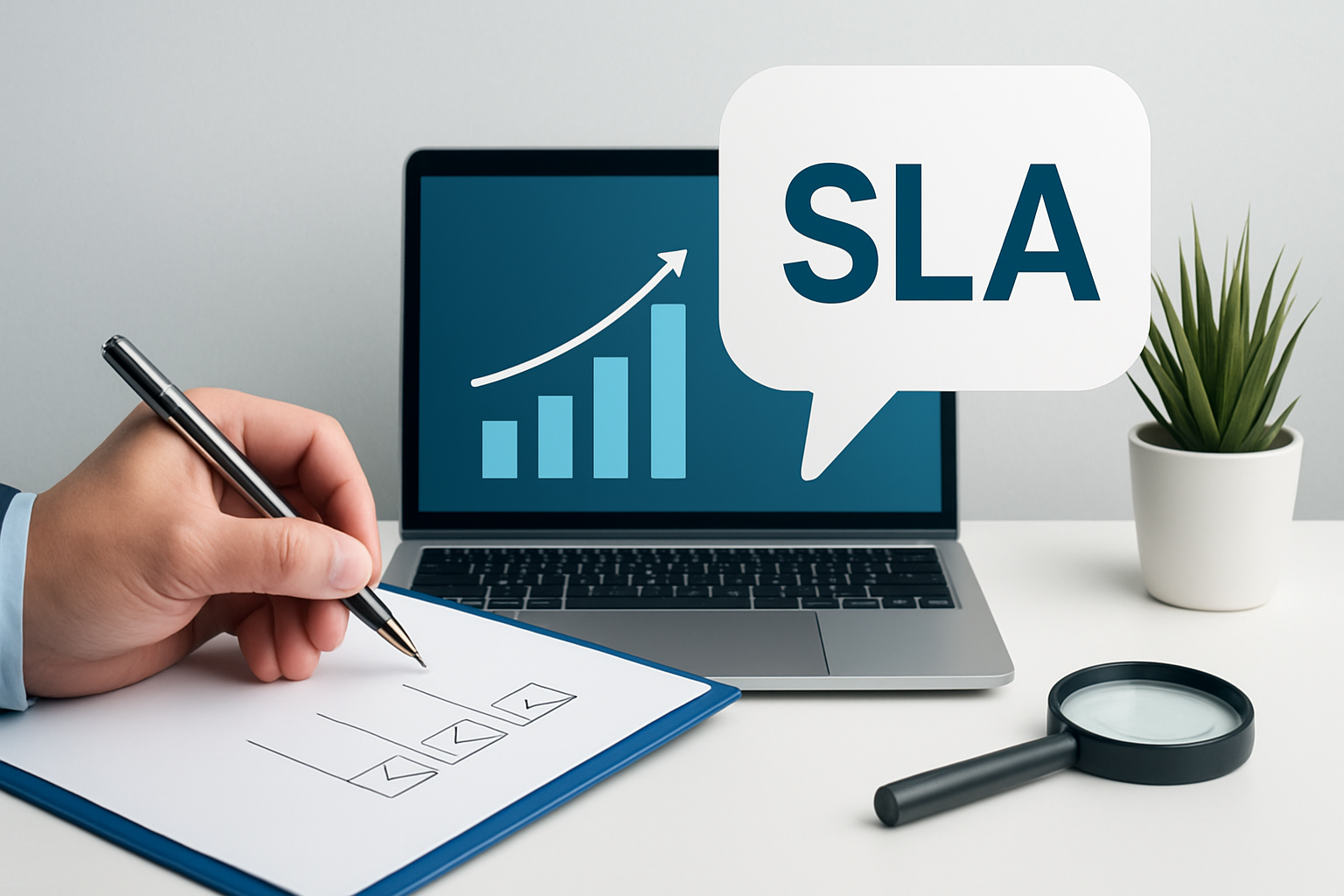
Measuring Success: The Role of SLAs in Support Performance Evaluation
In today's fast-paced business environment, providing exceptional customer support is crucial for maintaining a competitive edge. One of the key tools organizations use to measure and enhance their support performance is the Service Level Agreement (SLA). This article explores the importance of SLAs in evaluating support performance and how they contribute to overall customer satisfaction.
What is an SLA?
A Service Level Agreement (SLA) is a formal document that outlines the expected level of service between a service provider and a customer. It defines specific metrics, responsibilities, and expectations, ensuring both parties are aligned on service delivery. In the context of customer support, SLAs typically include:
- Response time: The time taken to acknowledge a customer's inquiry.
- Resolution time: The time taken to resolve a customer's issue.
- Availability: The hours during which support is available.
- Escalation procedures: The steps taken when an issue cannot be resolved at the first level.
The Importance of SLAs in Support Performance Evaluation
SLAs play a pivotal role in evaluating support performance for several reasons:
1. Establishing Clear Expectations
SLAs set clear expectations for both the support team and the customers. By defining specific metrics, customers know what to expect in terms of response and resolution times. This clarity helps in building trust and confidence in the support process.
2. Measuring Performance
SLAs provide measurable benchmarks that organizations can use to assess their support performance. By tracking SLA compliance, businesses can identify areas for improvement and implement necessary changes to enhance service quality.
3. Accountability
With SLAs in place, support teams are held accountable for their performance. This accountability encourages team members to strive for excellence and ensures that they take ownership of their responsibilities.
4. Enhancing Customer Satisfaction
When organizations meet or exceed SLA expectations, customer satisfaction levels tend to rise. Satisfied customers are more likely to remain loyal to a brand and recommend it to others, ultimately driving business growth.
Best Practices for Implementing SLAs
To maximize the effectiveness of SLAs in support performance evaluation, organizations should consider the following best practices:
- Define Realistic Metrics: Ensure that the metrics outlined in the SLA are achievable and relevant to the support team's capabilities.
- Regularly Review and Update SLAs: As business needs change, regularly review and update SLAs to ensure they remain aligned with customer expectations and industry standards.
- Communicate SLAs to All Stakeholders: Ensure that both support staff and customers are aware of the SLAs in place to foster transparency and understanding.
- Utilize SLA Management Tools: Invest in tools that help monitor SLA compliance and performance metrics, enabling proactive management of support services.
Conclusion
SLAs are a vital component of effective support performance evaluation. By establishing clear expectations, measuring performance, and enhancing accountability, SLAs contribute significantly to customer satisfaction. Organizations that prioritize the implementation and management of SLAs will not only improve their support services but also strengthen their relationships with customers, ultimately leading to greater success in the marketplace.
Este artigo faz parte do nosso blog. Veja-o na lista e descubra mais.
Ver todos os artigosSimplifique o seu apoio ao cliente. Organize tickets, responda mais rápido e mantenha a equipa alinhada.
Agendar Demonstração