Optimizing Customer Experience Through SLA and Support Metrics Analysis
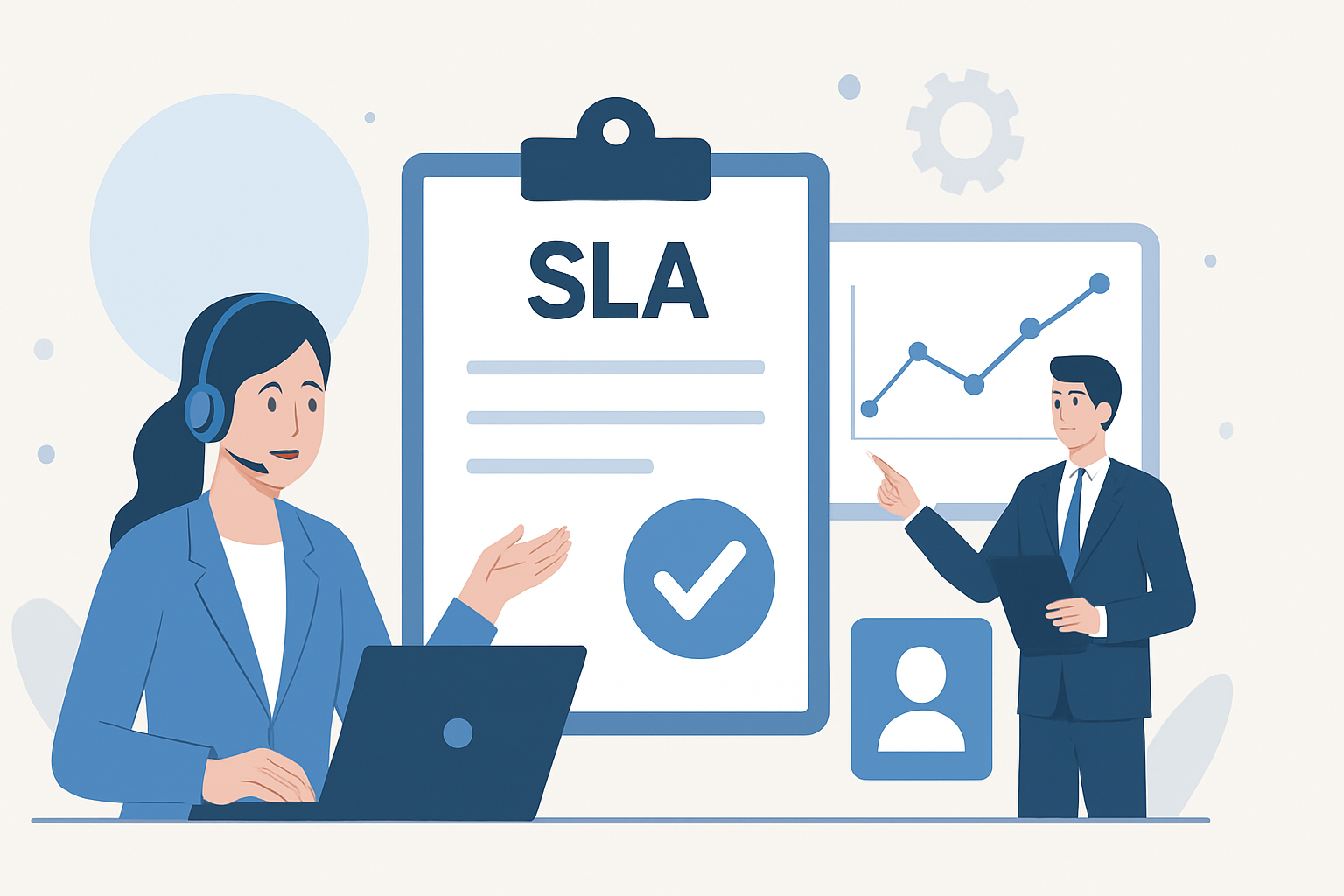
Optimizing Customer Experience Through SLA and Support Metrics Analysis
In today's competitive business environment, delivering exceptional customer experience is paramount. Companies are increasingly turning to Service Level Agreements (SLAs) and support metrics to enhance their customer service strategies. This article explores how analyzing SLAs and support metrics can lead to improved customer satisfaction and loyalty.
Understanding SLAs and Their Importance
A Service Level Agreement (SLA) is a formal document that defines the level of service expected from a service provider. It outlines the metrics by which service is measured, as well as the remedies or penalties for failing to meet those standards. Understanding and implementing SLAs is crucial for several reasons:
- Sets Clear Expectations: SLAs help establish clear expectations between the service provider and the customer, ensuring transparency in service delivery.
- Enhances Accountability: By defining specific metrics, SLAs hold both the service provider and the customer accountable for their roles.
- Improves Performance: Regularly reviewing SLA adherence encourages continuous improvement in service delivery.
Key Support Metrics to Analyze
To optimize customer experience, businesses should focus on several key support metrics that align with their SLAs. Here are some of the most important metrics to consider:
- First Response Time: The time taken for a customer to receive an initial response after submitting a query. A shorter first response time typically leads to higher customer satisfaction.
- Resolution Time: The total time taken to resolve a customer's issue. Monitoring this metric helps identify areas for improvement in support processes.
- Customer Satisfaction Score (CSAT): A measure of customer satisfaction with the service received, usually collected through surveys post-interaction.
- Net Promoter Score (NPS): This metric gauges customer loyalty by asking how likely customers are to recommend the service to others.
- Ticket Volume: Understanding the number of support requests can help identify trends and allocate resources more effectively.
Analyzing SLA Performance
Regular analysis of SLA performance is essential for optimizing customer experience. Here are some steps to effectively analyze SLA performance:
- Collect Data: Gather data on support metrics regularly to ensure a comprehensive understanding of service performance.
- Identify Trends: Look for patterns in the data that indicate strengths and weaknesses in service delivery.
- Benchmark Against SLAs: Compare performance metrics against SLA targets to identify areas of non-compliance.
- Implement Changes: Based on analysis, make necessary adjustments to support processes, training, or resources to improve overall performance.
- Solicit Feedback: Engage with customers to gather feedback on their experiences and use it to inform future improvements.
Leveraging Technology for Better Insights
Technology plays a crucial role in optimizing customer experience through SLA and support metrics analysis. Here are some tools and technologies that can aid in this process:
- Customer Relationship Management (CRM) Systems: These systems help track customer interactions and manage support tickets efficiently.
- Analytics Software: Tools like Google Analytics or specialized support analytics platforms can provide insights into customer behavior and service performance.
- Automated Reporting Tools: Automating the reporting process ensures timely and accurate performance analysis without manual effort.
Conclusion
Optimizing customer experience through SLA and support metrics analysis is not only beneficial for customers but also for businesses looking to enhance their service offerings. By understanding SLAs, analyzing key support metrics, and leveraging technology, companies can create a more responsive and satisfying customer experience. In an age where customer expectations are continually evolving, staying ahead through effective SLA management and support metrics analysis is essential for long-term success.
Este artigo faz parte do nosso blog. Veja-o na lista e descubra mais.
Ver todos os artigosSimplifique o seu apoio ao cliente. Organize tickets, responda mais rápido e mantenha a equipa alinhada.
Agendar Demonstração