Optimizing Customer Satisfaction Through Effective SLA Management
Optimizing Customer Satisfaction Through Effective SLA Management
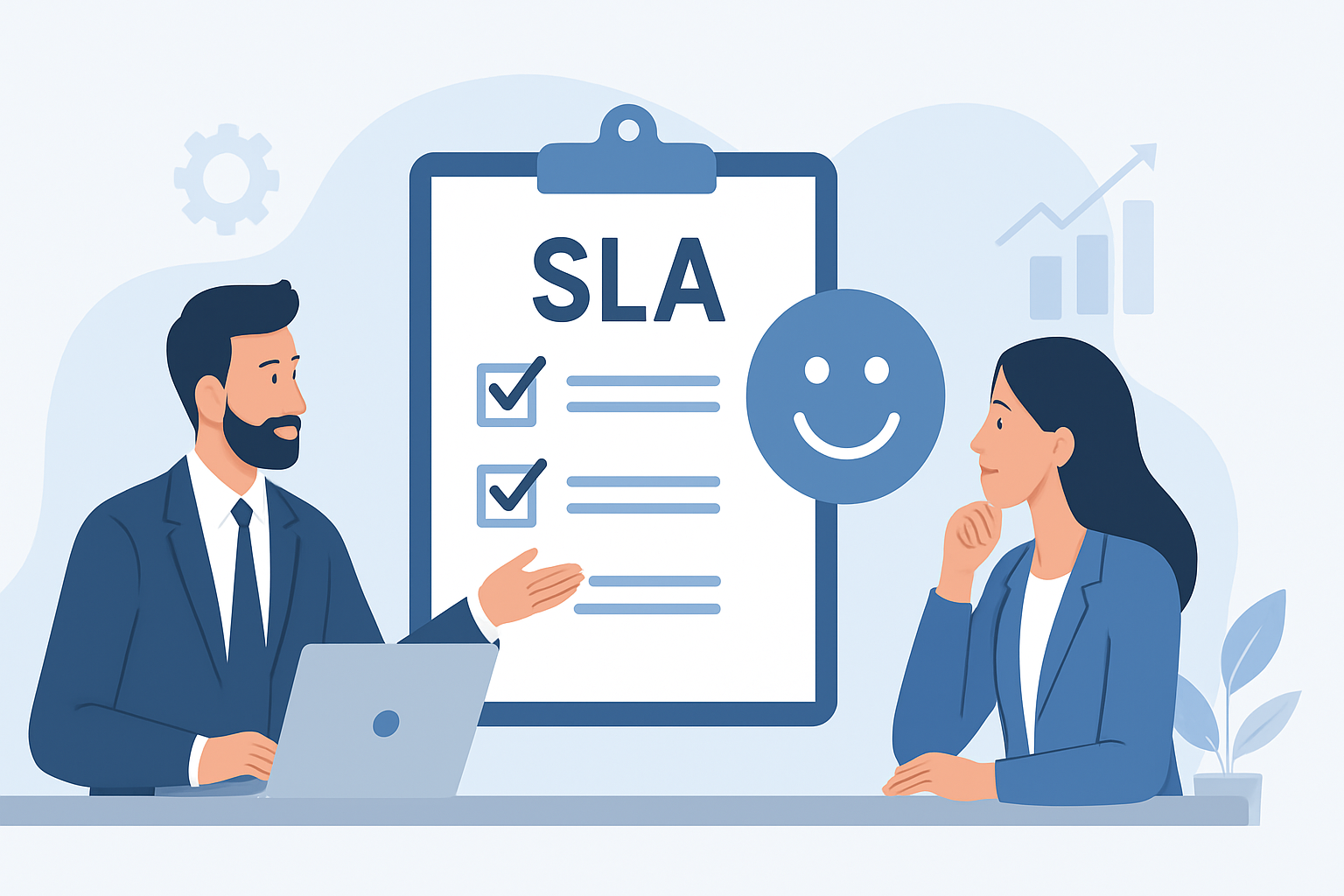
In today’s competitive business landscape, customer satisfaction is a key driver of success. One of the critical components in ensuring high levels of customer satisfaction is effective Service Level Agreement (SLA) management. SLAs define the expected level of service between service providers and customers, setting clear expectations for both parties. This article explores how optimizing SLA management can enhance customer satisfaction.
Understanding SLAs
A Service Level Agreement is a formal document that outlines the specific services provided, the expected performance standards, and the responsibilities of both the service provider and the customer. Key elements of an SLA typically include:
- Service Description: A detailed description of the services offered.
- Performance Metrics: Key performance indicators (KPIs) that measure service effectiveness.
- Responsibilities: Clearly defined roles and responsibilities for both parties.
- Reporting and Monitoring: Methods for tracking performance and reporting issues.
- Penalties and Remedies: Consequences for failing to meet agreed-upon standards.
The Importance of Effective SLA Management
Effective SLA management is vital for several reasons:
- Clarity and Transparency: Well-defined SLAs provide clarity on service expectations, reducing misunderstandings and setting the stage for a positive customer relationship.
- Performance Measurement: SLAs enable organizations to measure service delivery against agreed-upon standards, making it easier to identify areas for improvement.
- Accountability: With clear expectations in place, both service providers and customers are held accountable, fostering a sense of trust and reliability.
- Proactive Problem Resolution: Regular monitoring of SLA performance allows for proactive identification and resolution of issues before they escalate.
Strategies for Optimizing SLA Management
To optimize SLA management and enhance customer satisfaction, consider the following strategies:
1. Set Realistic and Measurable SLAs
Establish SLAs that are achievable and measurable. Avoid overpromising on service levels, as this can lead to disappointment and dissatisfaction.
2. Regularly Review and Update SLAs
Business needs and customer expectations evolve over time. Regularly review and adjust SLAs to ensure they remain relevant and reflective of current service capabilities and customer needs.
3. Foster Open Communication
Maintain open lines of communication with customers regarding SLA performance. Transparency in reporting and updates can build trust and enhance satisfaction.
4. Implement Performance Monitoring Tools
Utilize tools and software to monitor SLA performance in real-time. This allows for quick identification of issues and ensures that corrective actions can be taken promptly.
5. Train Staff and Stakeholders
Ensure that all team members understand the SLAs and their roles in meeting the defined service levels. Regular training and awareness programs can help reinforce the importance of SLA management.
Conclusion
In conclusion, effective SLA management is a cornerstone of customer satisfaction. By setting clear expectations, measuring performance, and fostering open communication, organizations can not only meet but exceed customer expectations. As businesses continue to adapt to changing market dynamics, optimizing SLA management will remain essential in building strong, lasting relationships with customers.
Este artigo faz parte do nosso blog. Veja-o na lista e descubra mais.
Ver todos os artigosSimplifique o seu apoio ao cliente. Organize tickets, responda mais rápido e mantenha a equipa alinhada.
Agendar Demonstração