Optimizing Customer Support: How SLAs Influence Performance Metrics
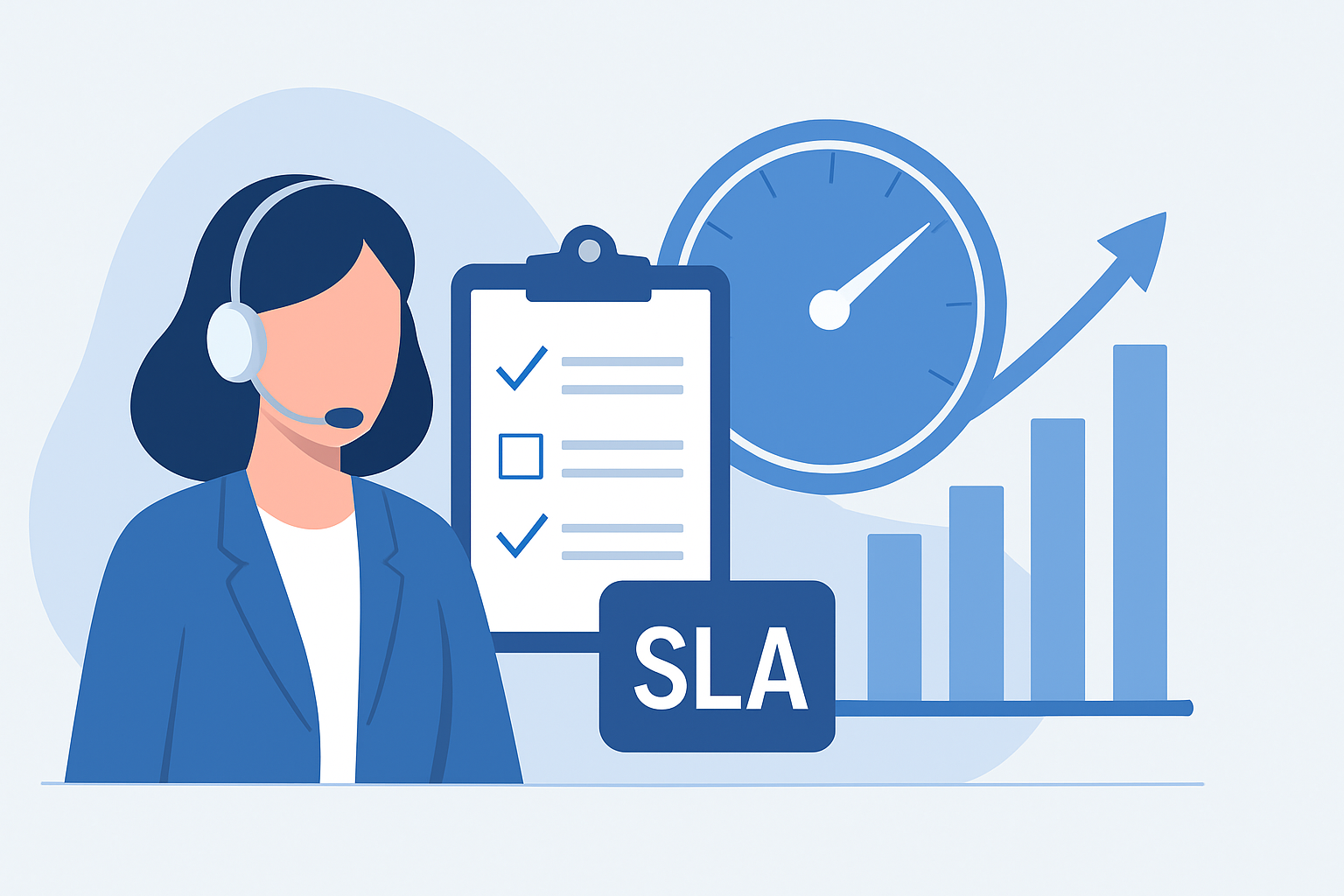
Optimizing Customer Support: How SLAs Influence Performance Metrics
In today's fast-paced business environment, customer support plays a crucial role in maintaining customer satisfaction and loyalty. One of the key tools that organizations use to measure and optimize their customer support services is the Service Level Agreement (SLA). This article explores how SLAs influence performance metrics and how businesses can leverage them for better customer support outcomes.
What is a Service Level Agreement (SLA)?
An SLA is a formal agreement between a service provider and a client that outlines the expected level of service. It typically includes specific metrics that need to be met, such as response times, resolution times, and availability. By defining these parameters, SLAs help manage customer expectations and provide a clear benchmark for evaluating performance.
The Importance of SLAs in Customer Support
SLAs are vital for several reasons:
- Setting Expectations: SLAs clearly define what customers can expect in terms of service quality and response times, which helps to manage their expectations effectively.
- Measuring Performance: By establishing specific metrics, SLAs provide a framework for measuring the performance of customer support teams.
- Improving Accountability: SLAs hold service providers accountable for the level of service they deliver, fostering a culture of responsibility.
- Enhancing Customer Satisfaction: Meeting or exceeding SLA commitments can lead to higher customer satisfaction and loyalty.
Key Performance Metrics Influenced by SLAs
SLAs can influence various performance metrics, including:
- Response Time: This metric measures the time taken to respond to customer inquiries. SLAs often stipulate maximum response times to ensure timely communication.
- Resolution Time: This refers to the time taken to resolve a customer issue. SLAs can set targets for how quickly issues should be resolved, affecting overall customer satisfaction.
- First Contact Resolution (FCR): This metric measures the percentage of customer issues resolved on the first contact. SLAs can encourage teams to focus on resolving issues efficiently.
- Customer Satisfaction Score (CSAT): SLAs can indirectly influence CSAT scores by ensuring that support teams meet their commitments and provide quality service.
Best Practices for Implementing SLAs in Customer Support
To effectively implement SLAs in customer support, consider the following best practices:
- Define Clear Metrics: Ensure that the metrics included in the SLA are specific, measurable, achievable, relevant, and time-bound (SMART).
- Communicate Expectations: Clearly communicate SLA terms to both customer support teams and customers to ensure everyone understands the commitments being made.
- Regularly Review and Update SLAs: As business needs and customer expectations change, periodically review and update SLAs to remain relevant.
- Utilize Technology: Implement tools and software that help track performance against SLA metrics, making it easier to identify areas for improvement.
Conclusion
SLAs are an essential component of optimizing customer support. By clearly defining service expectations and performance metrics, businesses can improve accountability, enhance customer satisfaction, and ultimately drive better outcomes. By implementing best practices for SLAs, organizations can ensure that they not only meet but exceed customer expectations, leading to long-term success.
Este artigo faz parte do nosso blog. Veja-o na lista e descubra mais.
Ver todos os artigosSimplifique o seu apoio ao cliente. Organize tickets, responda mais rápido e mantenha a equipa alinhada.
Agendar Demonstração