Optimizing Support Performance: How to Leverage SLA Metrics
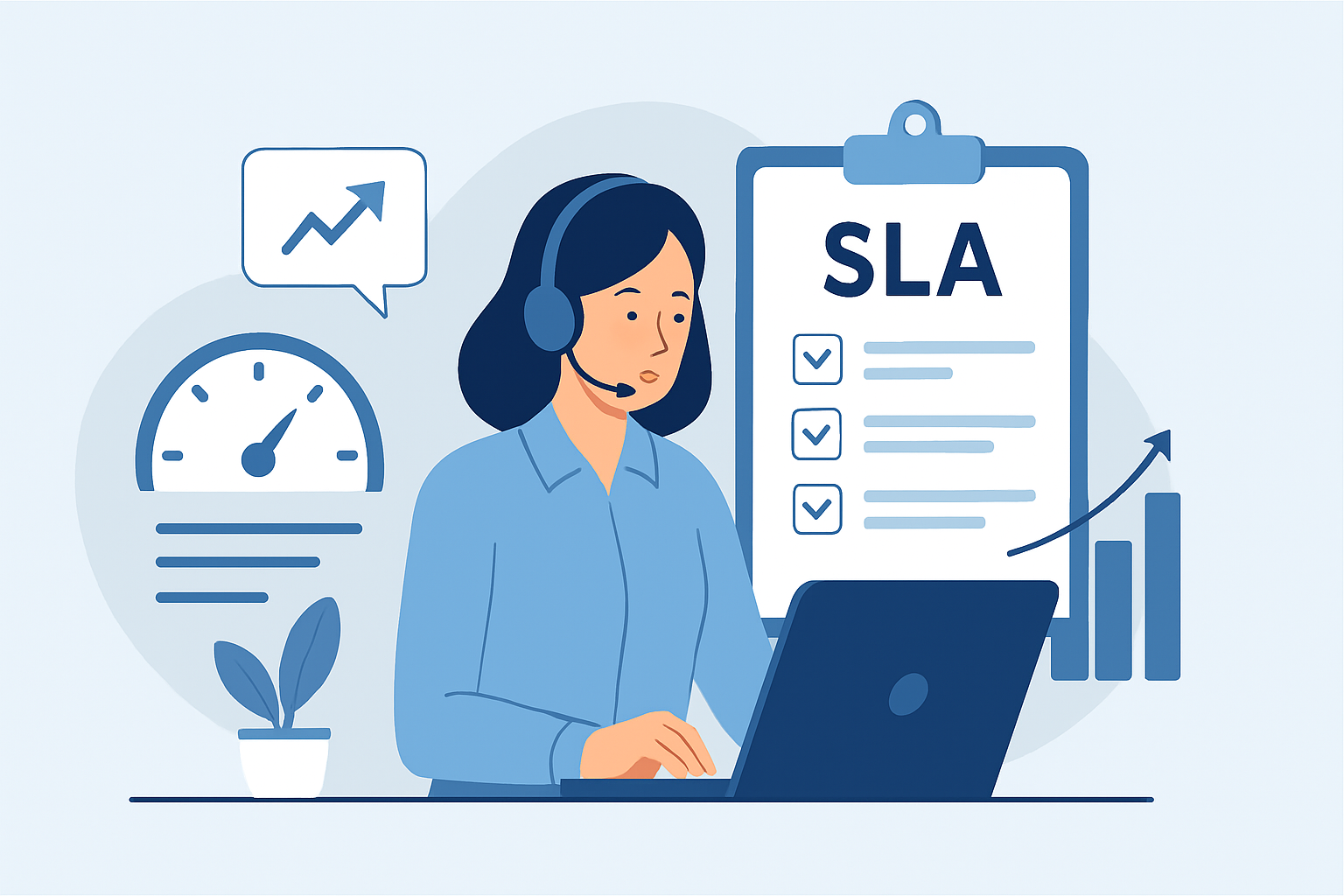
Optimizing Support Performance: How to Leverage SLA Metrics
In today's fast-paced business environment, providing exceptional customer support is crucial for maintaining a competitive edge. One of the most effective ways to ensure your support team meets customer expectations is by leveraging Service Level Agreement (SLA) metrics. This article will explore how to optimize support performance by effectively utilizing SLA metrics.
Understanding SLA Metrics
SLA metrics are quantifiable measures that help organizations define and evaluate the performance of their support services. These metrics typically include:
- Response Time: The time taken for a support agent to respond to a customer's request.
- Resolution Time: The duration required to resolve a customer's issue from the moment it is reported.
- First Contact Resolution Rate: The percentage of issues resolved during the first interaction with the customer.
- Customer Satisfaction Score (CSAT): A measure of customer satisfaction with the support received, often collected through surveys.
- Ticket Volume: The total number of support requests received within a specific timeframe.
Setting Realistic SLA Goals
To effectively leverage SLA metrics, it is essential to set realistic and achievable goals that align with your business objectives. Consider the following steps:
- Analyze Historical Data: Review past performance data to understand your support team's capabilities and identify areas for improvement.
- Benchmark Against Industry Standards: Research industry benchmarks to set competitive yet realistic SLA targets.
- Collaborate with Stakeholders: Involve key stakeholders, including support agents and management, in the goal-setting process to ensure buy-in and commitment.
Monitoring and Analyzing SLA Performance
Once SLA goals are established, continuous monitoring and analysis are crucial for optimizing support performance. Here are some strategies to consider:
- Regular Reporting: Generate regular reports to track SLA performance against established targets. This will help identify trends and areas needing attention.
- Use Dashboards: Implement dashboards that visualize SLA metrics in real-time, allowing support teams to quickly assess their performance and make necessary adjustments.
- Conduct Root Cause Analysis: When SLA targets are not met, conduct a root cause analysis to determine underlying issues and develop solutions.
Improving Support Processes
To enhance SLA performance, consider refining support processes. Some effective methods include:
- Implementing Automation: Use automation tools to streamline repetitive tasks, such as ticket routing and follow-ups, allowing agents to focus on more complex issues.
- Providing Ongoing Training: Regularly train support agents on best practices and new tools to improve their efficiency and effectiveness.
- Gathering Feedback: Solicit feedback from customers and support agents to identify pain points and areas for improvement in the support process.
Conclusion
Optimizing support performance through the effective use of SLA metrics is essential for delivering exceptional customer service. By understanding SLA metrics, setting realistic goals, monitoring performance, and continuously improving support processes, organizations can enhance their support operations and ultimately increase customer satisfaction. Embrace these strategies to ensure your support team is not just meeting but exceeding customer expectations.
Este artigo faz parte do nosso blog. Veja-o na lista e descubra mais.
Ver todos os artigosSimplifique o seu apoio ao cliente. Organize tickets, responda mais rápido e mantenha a equipa alinhada.
Agendar Demonstração