Step-by-Step Guide to Implementing Business Process Automation for Small Businesses
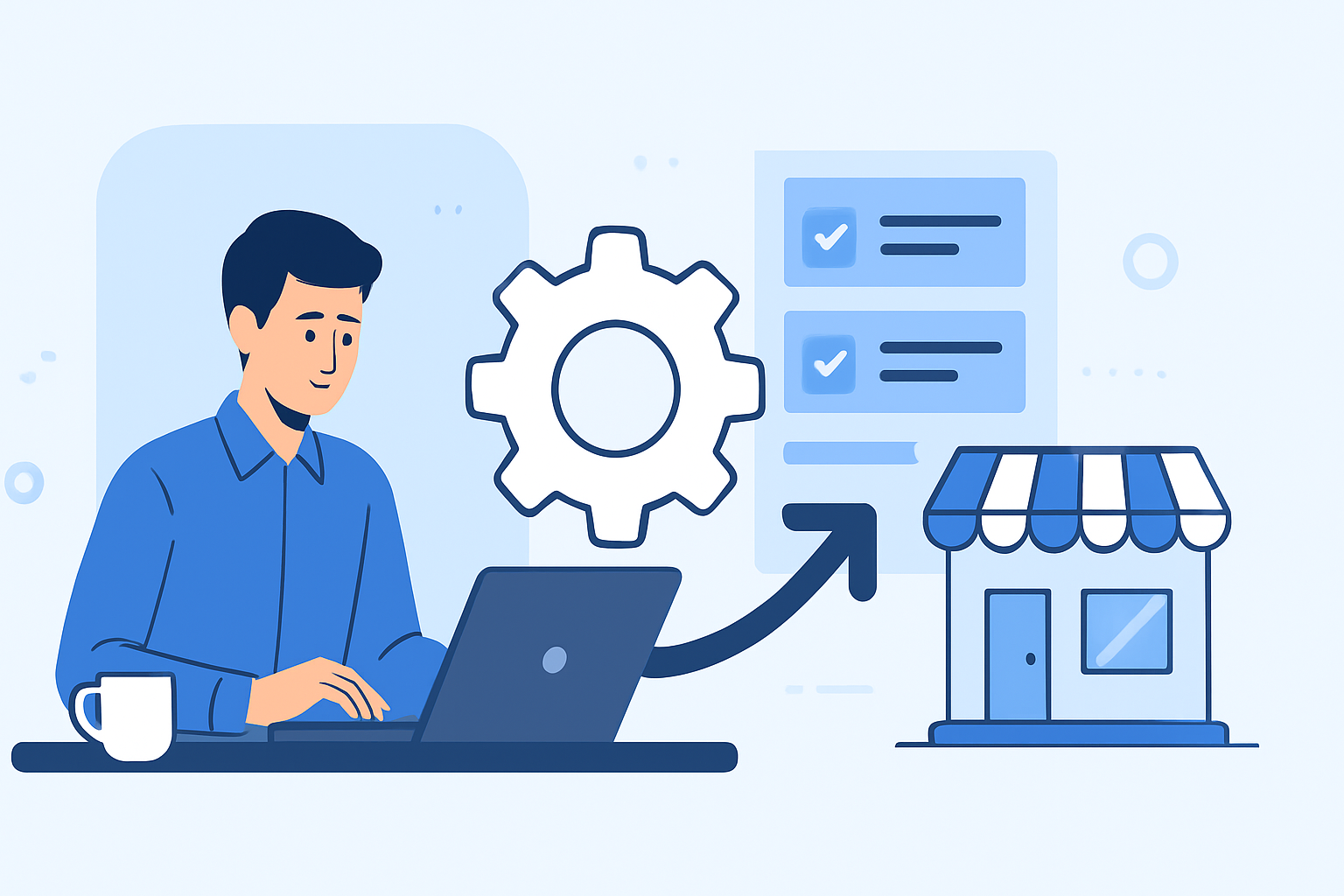
Step-by-Step Guide to Implementing Business Process Automation for Small Businesses
In today's fast-paced business environment, small businesses must find ways to increase efficiency and reduce costs. One effective solution is business process automation (BPA). This guide will walk you through the steps to implement BPA in your small business.
What is Business Process Automation?
Business Process Automation refers to the use of technology to automate repetitive tasks and streamline business operations. By automating processes, small businesses can save time, reduce errors, and improve overall productivity.
Step 1: Identify Processes to Automate
The first step in implementing BPA is to identify which processes in your business can benefit from automation. Consider tasks that are:
- Repetitive and time-consuming
- Prone to human error
- Standardized and well-defined
Common processes to automate include:
- Invoice processing
- Customer relationship management
- Inventory management
- Employee onboarding
Step 2: Evaluate Automation Tools
Once you have identified the processes to automate, research various automation tools that are suitable for your business needs. Consider the following factors:
- Cost
- User-friendliness
- Integration capabilities with existing systems
- Customer support and training options
Popular automation tools for small businesses include:
- Zapier
- HubSpot
- Asana
- Trello
Step 3: Create a Plan for Implementation
After selecting the tools, develop a detailed implementation plan. This plan should include:
- Timeline for implementation
- Roles and responsibilities of team members
- Training requirements for staff
- A budget for the project
Step 4: Test the Automation
Before rolling out the automation across your business, conduct a pilot test. This will help you identify any issues and make necessary adjustments. Gather feedback from staff involved in the pilot to understand their experience and any challenges they faced.
Step 5: Roll Out the Automation
Once testing is complete and adjustments have been made, it’s time to fully implement the automation across your business. Ensure that all team members are trained on how to use the new systems effectively.
Step 6: Monitor and Optimize
After implementation, continuously monitor the automated processes to ensure they are functioning as intended. Look for areas of improvement and be open to making changes as your business needs evolve. Regularly review the efficiency gains and cost savings achieved through automation.
Conclusion
Business process automation can significantly enhance the efficiency of small businesses. By following this step-by-step guide, you can successfully implement BPA and reap the benefits of increased productivity and reduced operational costs. Remember that the journey to automation is ongoing; stay adaptable and continue to seek opportunities for improvement.
Este artigo faz parte do nosso blog. Veja-o na lista e descubra mais.
Ver todos os artigosSimplifique o seu apoio ao cliente. Organize tickets, responda mais rápido e mantenha a equipa alinhada.
Agendar Demonstração