Streamlining Operations: How to Get Started with Business Process Automation
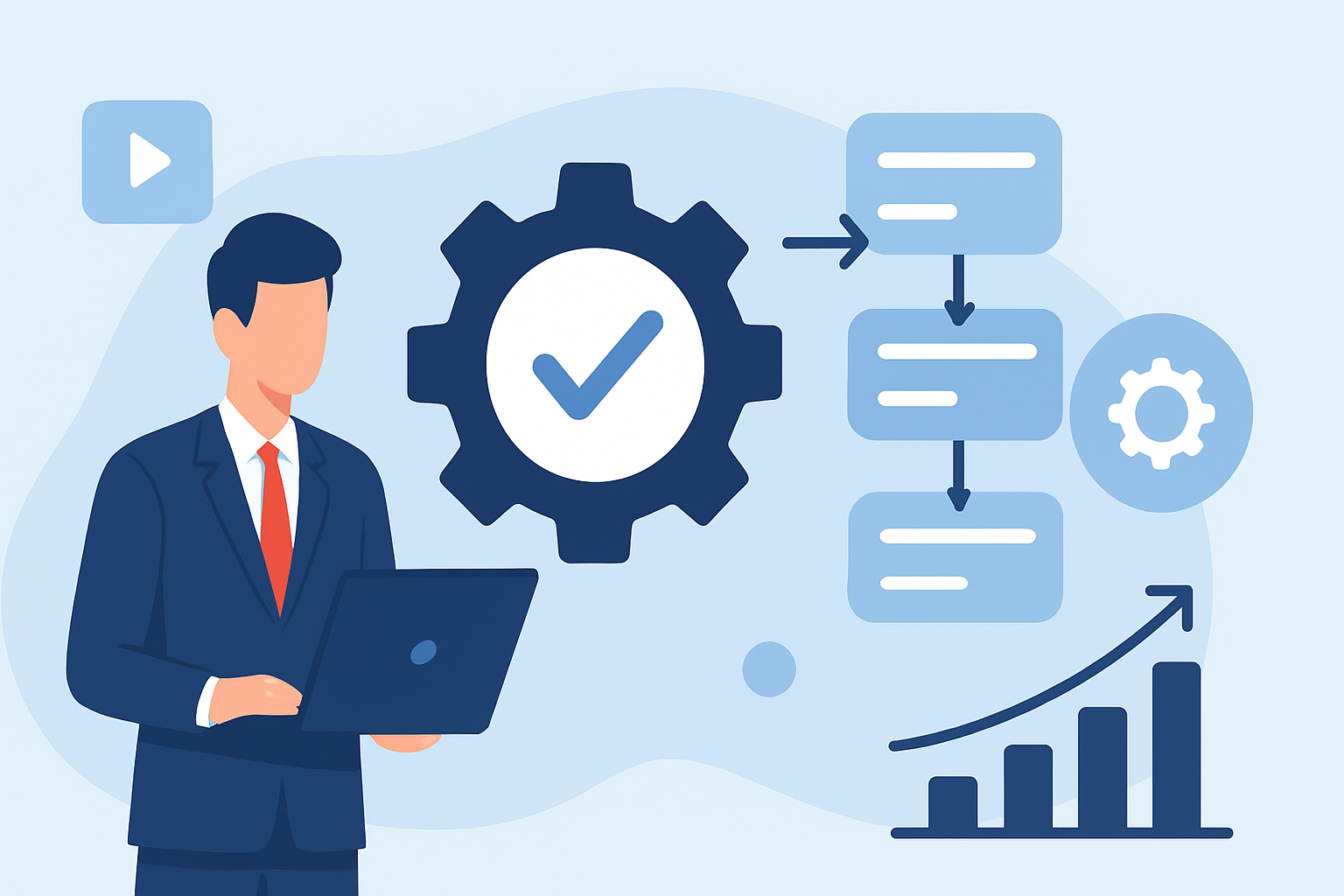
Streamlining Operations: How to Get Started with Business Process Automation
In today's fast-paced business environment, efficiency and productivity are more crucial than ever. Business Process Automation (BPA) is a powerful tool that can help organizations streamline their operations, reduce costs, and improve overall performance. In this article, we will explore the basics of BPA, its benefits, and how to get started with implementing automation in your business processes.
What is Business Process Automation?
Business Process Automation refers to the use of technology to automate repetitive, manual tasks that are part of business processes. BPA can involve software applications, tools, and systems that help organizations manage their workflows more efficiently. By automating routine tasks, businesses can free up valuable resources, reduce the likelihood of human error, and enhance service delivery.
Benefits of Business Process Automation
- Increased Efficiency: Automating tasks can significantly reduce the time taken to complete them, leading to faster service delivery.
- Cost Reduction: By minimizing manual intervention, businesses can lower operational costs and allocate resources more effectively.
- Improved Accuracy: Automation helps eliminate errors associated with human input, ensuring data integrity and consistency.
- Enhanced Compliance: Automated processes can be designed to adhere to regulatory standards, making compliance easier to maintain.
- Better Customer Experience: Faster and more accurate processes lead to improved customer satisfaction and loyalty.
Steps to Get Started with Business Process Automation
Implementing BPA in your organization requires careful planning and execution. Here are some essential steps to get started:
- Identify Processes to Automate: Begin by analyzing your existing workflows to pinpoint repetitive and time-consuming tasks that could benefit from automation.
- Set Clear Objectives: Define what you want to achieve with automation. Goals may include reducing processing time, cutting costs, or improving accuracy.
- Choose the Right Tools: Research and select automation tools that fit your business needs. Consider factors like ease of use, scalability, and integration capabilities.
- Map Out Your Processes: Document the current workflows to understand the steps involved. This will help you identify areas for improvement and ensure a smooth transition to automation.
- Test and Revise: Before fully implementing the automation solution, conduct tests to identify any issues. Gather feedback from stakeholders and make necessary adjustments.
- Train Your Team: Ensure that your employees are well-trained on the new systems and processes. Proper training will facilitate a smoother transition and encourage adoption.
- Monitor and Optimize: After implementation, continuously monitor the automated processes to measure effectiveness. Look for opportunities to optimize and refine the workflows further.
Conclusion
Business Process Automation can significantly enhance operational efficiency and drive better business outcomes. By following the steps outlined in this article, you can successfully implement BPA in your organization and reap the benefits of streamlined operations. Embrace the future of work by leveraging technology to automate and optimize your business processes.
Este artigo faz parte do nosso blog. Veja-o na lista e descubra mais.
Ver todos os artigosSimplifique o seu apoio ao cliente. Organize tickets, responda mais rápido e mantenha a equipa alinhada.
Agendar Demonstração