The Evolution of Helpdesk: From Traditional Support to AI-Driven Solutions
The Evolution of Helpdesk: From Traditional Support to AI-Driven Solutions
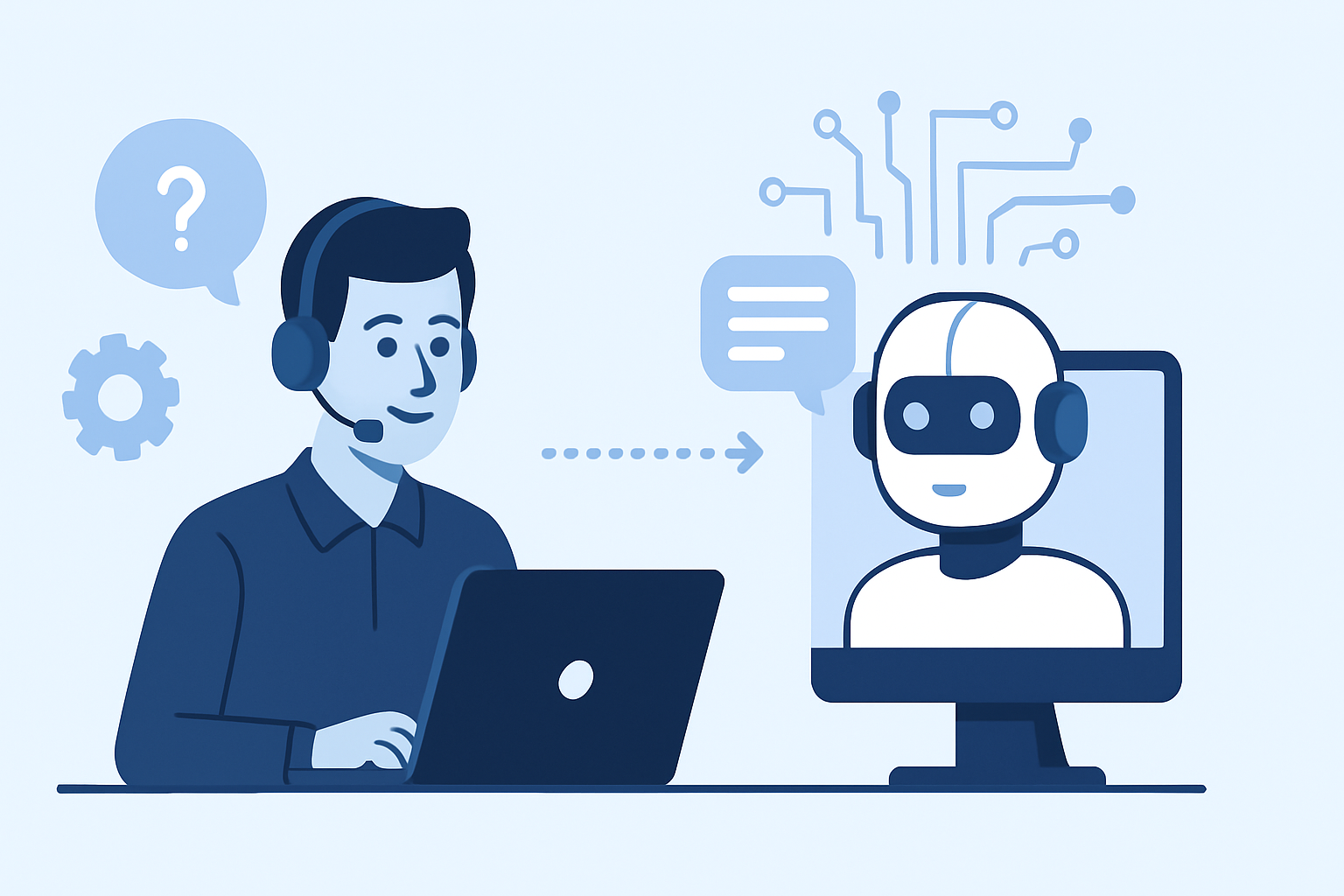
The landscape of customer support has undergone a significant transformation over the past few decades. From the early days of traditional helpdesk systems to the rise of AI-driven solutions, the evolution of helpdesk services reflects broader technological advancements and changing customer expectations.
1. The Traditional Helpdesk Era
In the traditional helpdesk model, support was primarily provided through phone calls and emails. Customers would reach out to support agents who would manually address their concerns. This model had several characteristics:
- Limited Availability: Helpdesk services often operated during business hours, leading to delays in response times.
- Human-Centric Interactions: All support was provided by human agents, which could result in inconsistent service quality.
- Ticketing Systems: Organizations employed ticketing systems to track issues, but these systems were often cumbersome and inefficient.
While this model was effective to some extent, it lacked the speed and efficiency that modern customers expect.
2. The Shift to Digital Support
As technology progressed, businesses began to adopt digital solutions for customer support. This period marked the introduction of live chat systems, social media support, and online help centers. Key developments included:
- Live Chat Support: Instant messaging allowed customers to receive real-time assistance, improving response times.
- Self-Service Portals: Many companies created knowledge bases and FAQs to empower customers to find answers independently.
- Social Media Integration: Brands started using social media platforms for customer engagement, allowing for more public and transparent interactions.
These advancements led to improved customer satisfaction and reduced workloads for support teams.
3. The Rise of AI-Driven Helpdesk Solutions
Today, artificial intelligence is revolutionizing the helpdesk landscape. AI-driven solutions offer numerous advantages that enhance both customer experience and operational efficiency:
- Chatbots: AI-powered chatbots can handle a variety of customer inquiries 24/7, providing instant responses and freeing up human agents for more complex issues.
- Predictive Analytics: AI can analyze customer data to predict issues before they arise, allowing businesses to proactively address potential problems.
- Automated Ticketing: AI systems can automatically categorize and prioritize support tickets, streamlining the workflow for support teams.
These innovations not only improve response times but also enhance the overall efficiency of helpdesk operations.
4. Future Trends in Helpdesk Solutions
As technology continues to evolve, we can expect further advancements in helpdesk solutions. Some emerging trends include:
- Enhanced Personalization: AI will enable more personalized customer interactions based on previous interactions and preferences.
- Integration with IoT: Helpdesk systems will increasingly integrate with Internet of Things (IoT) devices, allowing for real-time monitoring and support.
- Voice Assistants: Voice-activated support systems could become commonplace, making it easier for customers to seek help without needing to type.
Conclusion
The evolution of helpdesk services reflects the ongoing changes in technology and customer expectations. From traditional support methods to AI-driven solutions, businesses are continually adapting to provide better service. As we look to the future, it is clear that the integration of AI and other technologies will further enhance the helpdesk experience, making support more efficient, personalized, and accessible than ever before.
Este artigo faz parte do nosso blog. Veja-o na lista e descubra mais.
Ver todos os artigosSimplifique o seu apoio ao cliente. Organize tickets, responda mais rápido e mantenha a equipa alinhada.
Agendar Demonstração