The Future of Business: How Automation is Redefining Processes and Efficiency
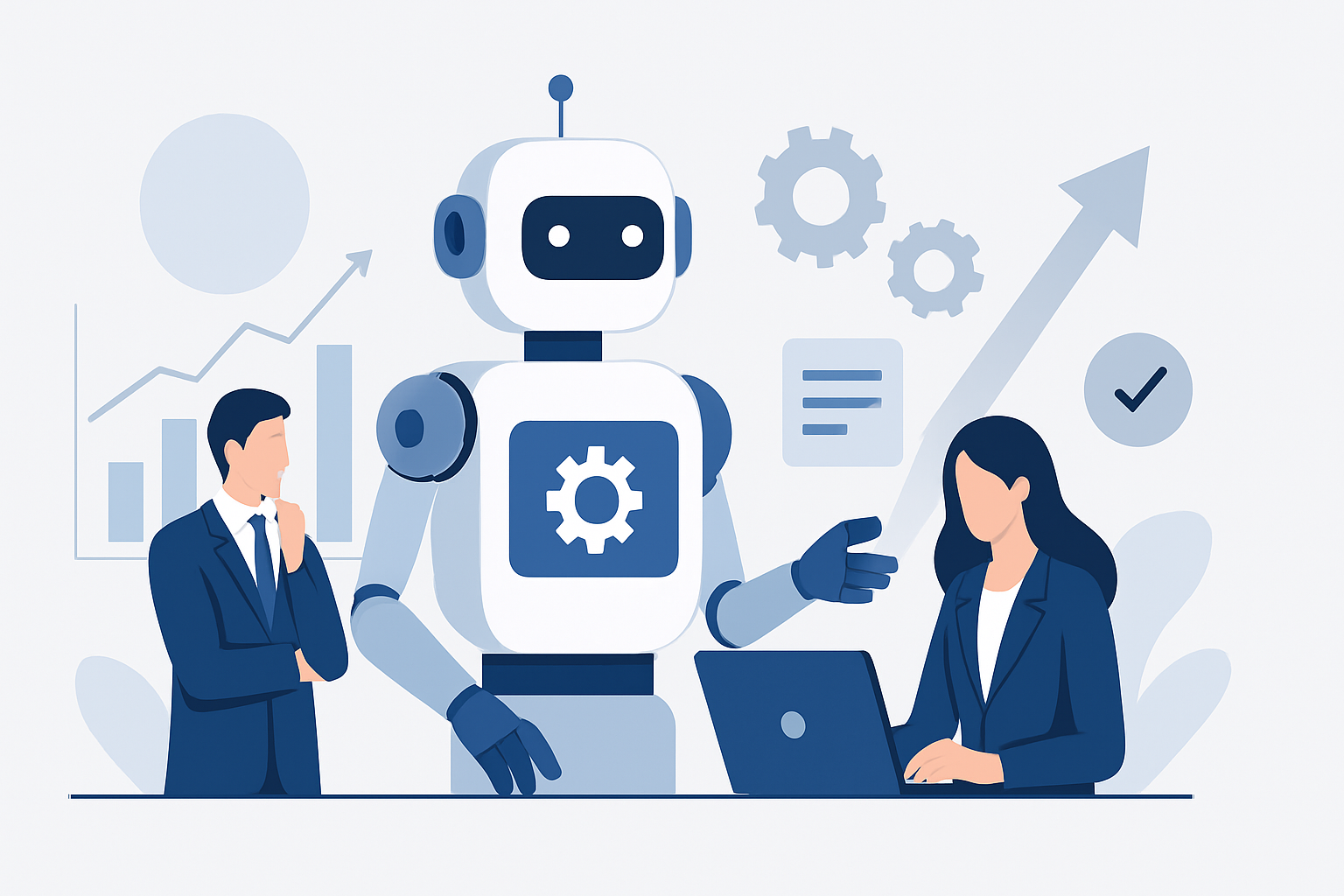
The Future of Business: How Automation is Redefining Processes and Efficiency
In today’s fast-paced business environment, the integration of automation is no longer a luxury but a necessity. As companies strive to enhance efficiency and productivity, automation has emerged as a transformative force reshaping traditional processes across various industries. This article delves into the future of business and how automation is redefining operational frameworks.
Understanding Automation
Automation refers to the use of technology to perform tasks with minimal human intervention. It encompasses a wide range of applications, from simple tools that streamline repetitive tasks to complex systems that manage entire workflows. The goal of automation is to improve efficiency, reduce errors, and free up human resources for more strategic activities.
The Benefits of Automation
- Increased Efficiency: Automation allows businesses to complete tasks faster and with greater accuracy. This leads to improved workflow and productivity.
- Cost Reduction: By automating routine processes, companies can significantly lower operational costs, minimize waste, and reduce the need for manual labor.
- Enhanced Accuracy: Automated systems reduce the likelihood of human error, ensuring that tasks are completed correctly and consistently.
- Scalability: Automation enables businesses to scale operations quickly without the proportional increase in resources, allowing for growth without the burden of additional overhead.
- Improved Employee Satisfaction: By taking over mundane tasks, automation allows employees to focus on more engaging and meaningful work, which can lead to higher job satisfaction.
Key Areas of Automation in Business
As businesses adopt automation, several key areas are seeing significant changes:
1. Customer Service
Chatbots and automated customer service platforms are revolutionizing how businesses interact with their customers. These tools can handle inquiries around the clock, providing instant responses and freeing human agents to tackle more complex issues.
2. Marketing
Marketing automation tools allow businesses to streamline their campaigns, track customer behavior, and personalize communications. This leads to more effective marketing strategies and improved customer engagement.
3. Supply Chain Management
Automation in supply chain processes, such as inventory management and order fulfillment, enhances efficiency and reduces delays. Real-time tracking and automated inventory systems ensure that businesses meet customer demands promptly.
4. Financial Processes
Automating financial tasks like invoicing, payroll, and expense tracking reduces the time spent on administrative duties, minimizes errors, and allows for better financial analysis.
The Challenges of Automation
While the benefits of automation are substantial, businesses must also navigate several challenges:
- Initial Investment: Implementing automation technology can require significant upfront costs, which may deter some businesses from making the leap.
- Change Management: Transitioning to automated systems often requires a cultural shift within the organization. Employees may resist change, necessitating effective change management strategies.
- Skill Gaps: As automation evolves, the demand for skilled workers who can manage and maintain these systems increases. Businesses must invest in training and development to bridge this gap.
The Future Landscape
Looking ahead, the role of automation in business is set to expand even further. Advancements in artificial intelligence (AI) and machine learning will enable even more sophisticated automation solutions, creating smarter systems that can adapt to changing business needs. Companies that embrace these technologies early will likely gain a competitive edge in their respective markets.
Conclusion
Automation is redefining the future of business by enhancing processes and improving efficiency. As organizations continue to integrate automated solutions, they will unlock new opportunities for growth and innovation. Embracing automation is not just about keeping pace with technological advancements; it is about positioning businesses for success in an increasingly competitive landscape. The future is automated, and businesses that recognize this shift will thrive.
Este artigo faz parte do nosso blog. Veja-o na lista e descubra mais.
Ver todos os artigosSimplifique o seu apoio ao cliente. Organize tickets, responda mais rápido e mantenha a equipa alinhada.
Agendar Demonstração