The Future of Helpdesk: Integrating AI and Automation in Technical Support
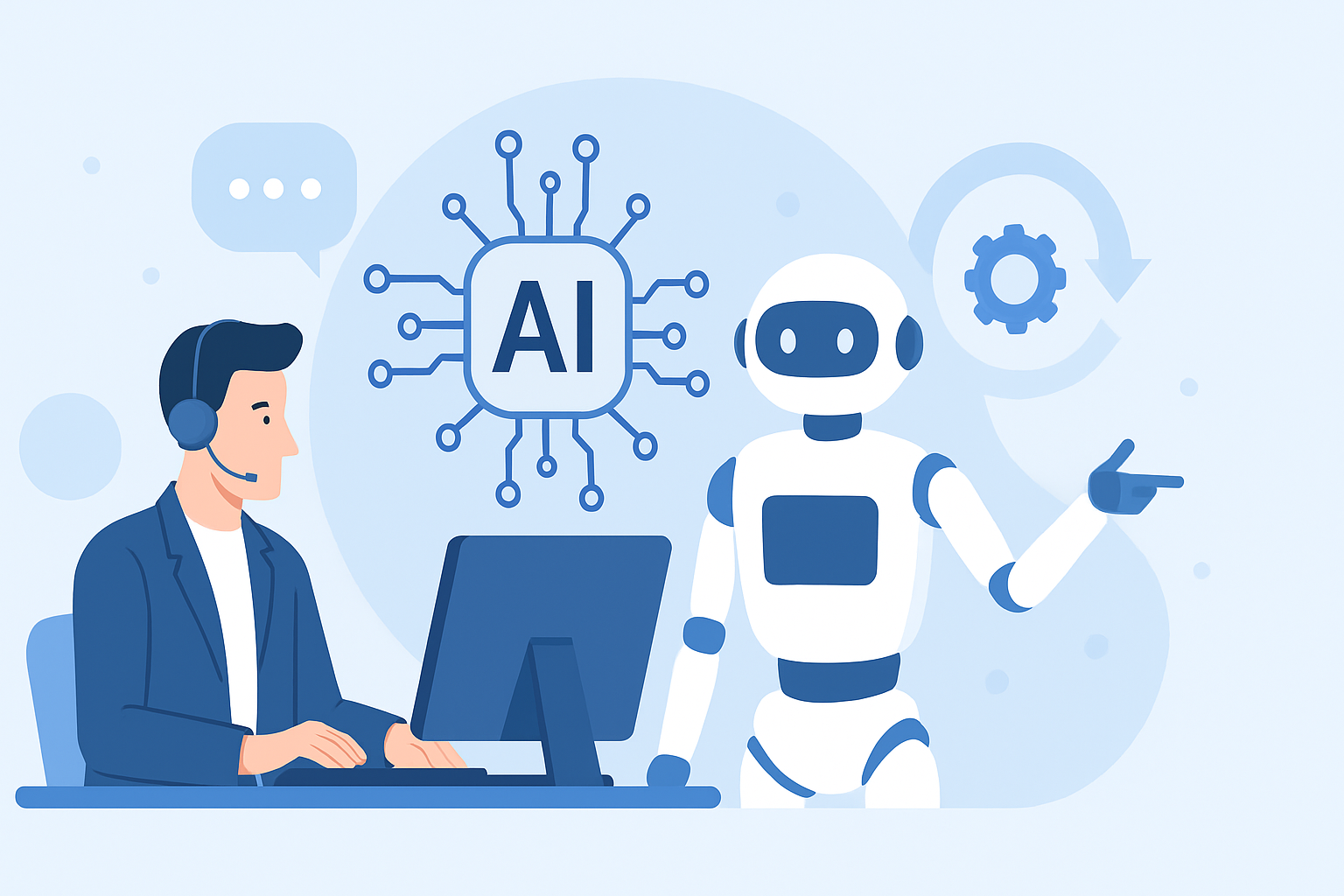
The Future of Helpdesk: Integrating AI and Automation in Technical Support
As technology continues to evolve, the landscape of customer support is undergoing a significant transformation. Traditional helpdesk systems are being enhanced through the integration of artificial intelligence (AI) and automation, leading to improved efficiency and customer satisfaction. In this article, we will explore the future of helpdesk services and how AI and automation are reshaping the technical support industry.
The Rise of AI in Helpdesk Services
AI is becoming an integral part of helpdesk operations. By leveraging machine learning algorithms and natural language processing, companies can automate responses to common inquiries, allowing support teams to focus on more complex issues. Here are some key benefits of integrating AI into helpdesk services:
- 24/7 Availability: AI-powered chatbots can provide round-the-clock support, ensuring that customers receive assistance whenever they need it.
- Faster Response Times: Automated systems can quickly analyze customer queries and provide instant responses, significantly reducing wait times.
- Consistent Customer Experience: AI tools can maintain a uniform tone and quality in responses, enhancing the overall customer experience.
Automation in Technical Support
Automation is another critical component of modern helpdesk systems. By automating repetitive tasks, organizations can streamline their support processes and improve efficiency. Some ways automation is being implemented in technical support include:
- Troubleshooting Automation: Automated diagnostic tools can identify and resolve common technical issues without human intervention.
- Ticket Management: Automation can prioritize and route support tickets based on urgency and complexity, ensuring that the right team member addresses each issue.
- Follow-Up and Feedback Collection: Automated follow-up emails can be sent to customers after a support interaction, allowing organizations to gather valuable feedback.
Challenges and Considerations
While the integration of AI and automation in helpdesk services offers numerous advantages, there are also challenges to consider:
- Maintaining Human Touch: Over-reliance on automation may lead to a lack of personal interaction, which can be detrimental in sensitive or complex situations.
- Data Privacy Concerns: The use of AI requires access to customer data, raising concerns about privacy and data security.
- Implementation Costs: Transitioning to AI-driven systems may involve significant upfront costs and require ongoing maintenance and updates.
The Path Forward
As organizations look to the future, the successful integration of AI and automation in helpdesk services will depend on a balanced approach. Here are some strategies to consider:
- Hybrid Support Models: Combining AI-driven solutions with human support can create a more effective helpdesk system, allowing for the quick resolution of simple issues while ensuring that complex problems receive the attention they deserve.
- Continuous Training: Ongoing training for support staff will be essential to adapt to new technologies and maintain a high standard of customer service.
- Feedback Loops: Implementing feedback mechanisms will help organizations refine their AI tools and automation processes based on real customer experiences.
Conclusion
The future of helpdesk services is undoubtedly intertwined with the advancements in AI and automation. By adopting these technologies thoughtfully, organizations can enhance their technical support capabilities, improve customer satisfaction, and stay ahead in a competitive market. As we move forward, striking a balance between technology and human interaction will be key to delivering exceptional support experiences.
Este artigo faz parte do nosso blog. Veja-o na lista e descubra mais.
Ver todos os artigosSimplifique o seu apoio ao cliente. Organize tickets, responda mais rápido e mantenha a equipa alinhada.
Agendar Demonstração