The Importance of Service Level Agreements in Customer Support
The Importance of Service Level Agreements in Customer Support
In today's fast-paced business environment, customer support has become a critical component of maintaining customer satisfaction and loyalty. One way to ensure that customer service teams meet expectations is through the implementation of Service Level Agreements (SLAs). This article explores the importance of SLAs in customer support and how they can enhance service delivery.
What is a Service Level Agreement?
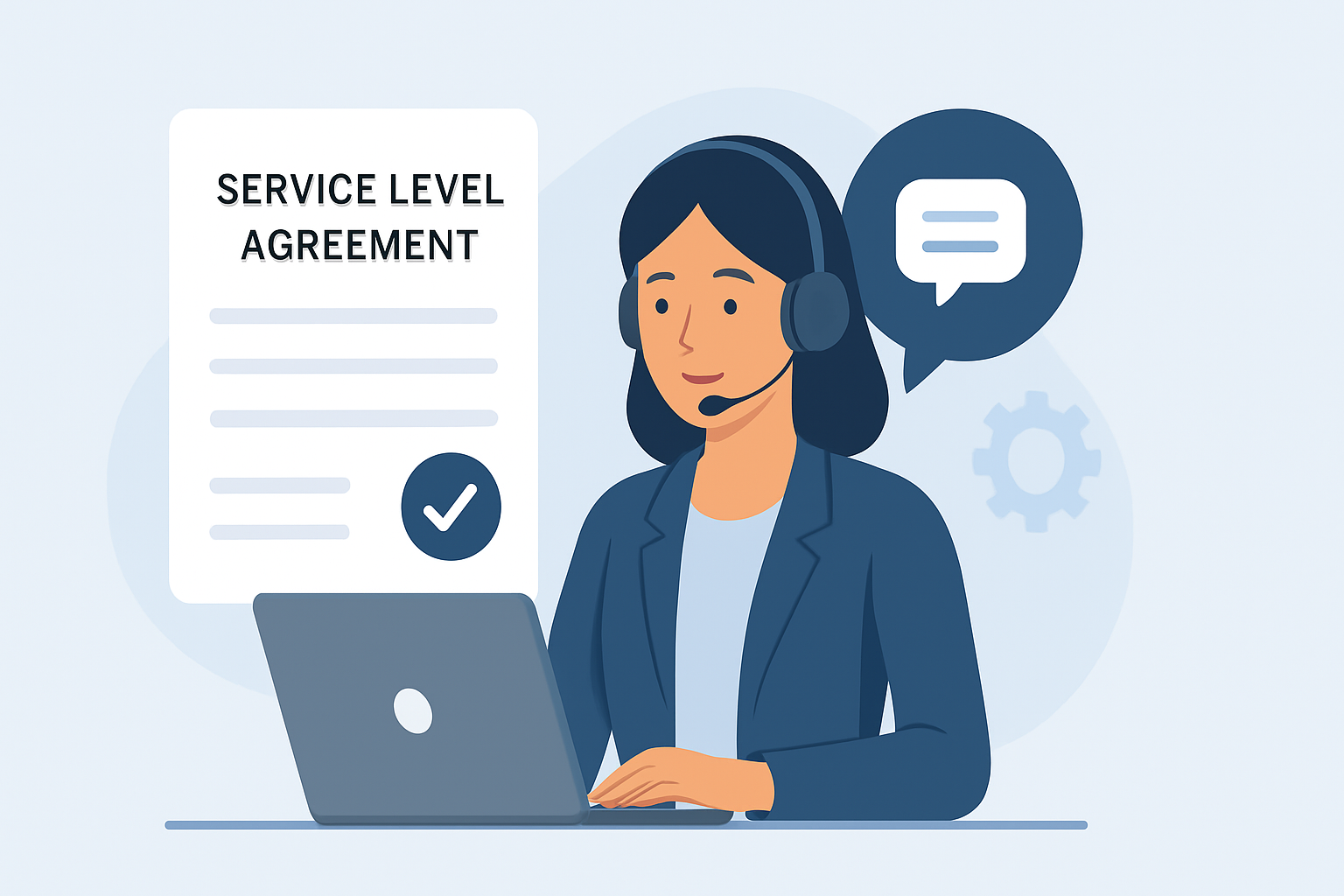
A Service Level Agreement (SLA) is a formal document that outlines the expected level of service between a service provider and a customer. It defines specific metrics, such as response times, resolution times, and the quality of service to be provided. SLAs serve as a benchmark for performance and can help manage customer expectations.
Key Benefits of SLAs in Customer Support
- Clarifies Expectations: SLAs provide clear guidelines on what customers can expect regarding service delivery. This transparency helps in building trust and confidence in the support team.
- Improves Accountability: With SLAs in place, customer support teams are held accountable for meeting the agreed-upon metrics. This accountability can drive better performance and motivate teams to meet or exceed expectations.
- Enhances Customer Satisfaction: When customers know what to expect and receive timely responses and resolutions, their overall satisfaction increases. Happy customers are more likely to remain loyal and recommend the service to others.
- Facilitates Performance Measurement: SLAs provide measurable metrics that can be tracked over time. This data can be used to assess the effectiveness of the support team and identify areas for improvement.
- Encourages Continuous Improvement: With defined objectives, companies can analyze performance against SLAs and implement changes to improve service delivery continuously.
Components of an Effective SLA
For an SLA to be effective, it should include the following components:
- Service Description: A clear outline of the services covered under the SLA.
- Performance Metrics: Specific metrics that will be used to measure service performance, such as response and resolution times.
- Roles and Responsibilities: Definitions of the roles of both the service provider and the customer.
- Monitoring and Reporting: Processes for monitoring performance and reporting results to stakeholders.
- Consequences of Non-Compliance: Clearly defined penalties or repercussions if the service levels are not met.
Implementing SLAs in Your Customer Support Strategy
To successfully implement SLAs in your customer support strategy, consider the following steps:
- Identify Key Metrics: Determine which metrics are most important to your customers and your business goals.
- Engage Stakeholders: Involve key stakeholders in the SLA development process to ensure that the agreement meets the needs of both the service provider and customers.
- Communicate Clearly: Ensure that the SLA is communicated effectively to all team members and customers, so everyone understands the expectations.
- Review and Revise: Regularly review the SLA to ensure it remains relevant and reflects any changes in business needs or customer expectations.
Conclusion
Service Level Agreements play a vital role in enhancing the effectiveness of customer support. By clarifying expectations, improving accountability, and providing measurable performance metrics, SLAs help businesses deliver exceptional service that meets customer needs. Implementing and maintaining effective SLAs can lead to increased customer satisfaction and loyalty, ultimately contributing to the success of the organization.
Este artigo faz parte do nosso blog. Veja-o na lista e descubra mais.
Ver todos os artigosSimplifique o seu apoio ao cliente. Organize tickets, responda mais rápido e mantenha a equipa alinhada.