The Importance of Support Metrics in Managing Service Level Agreements
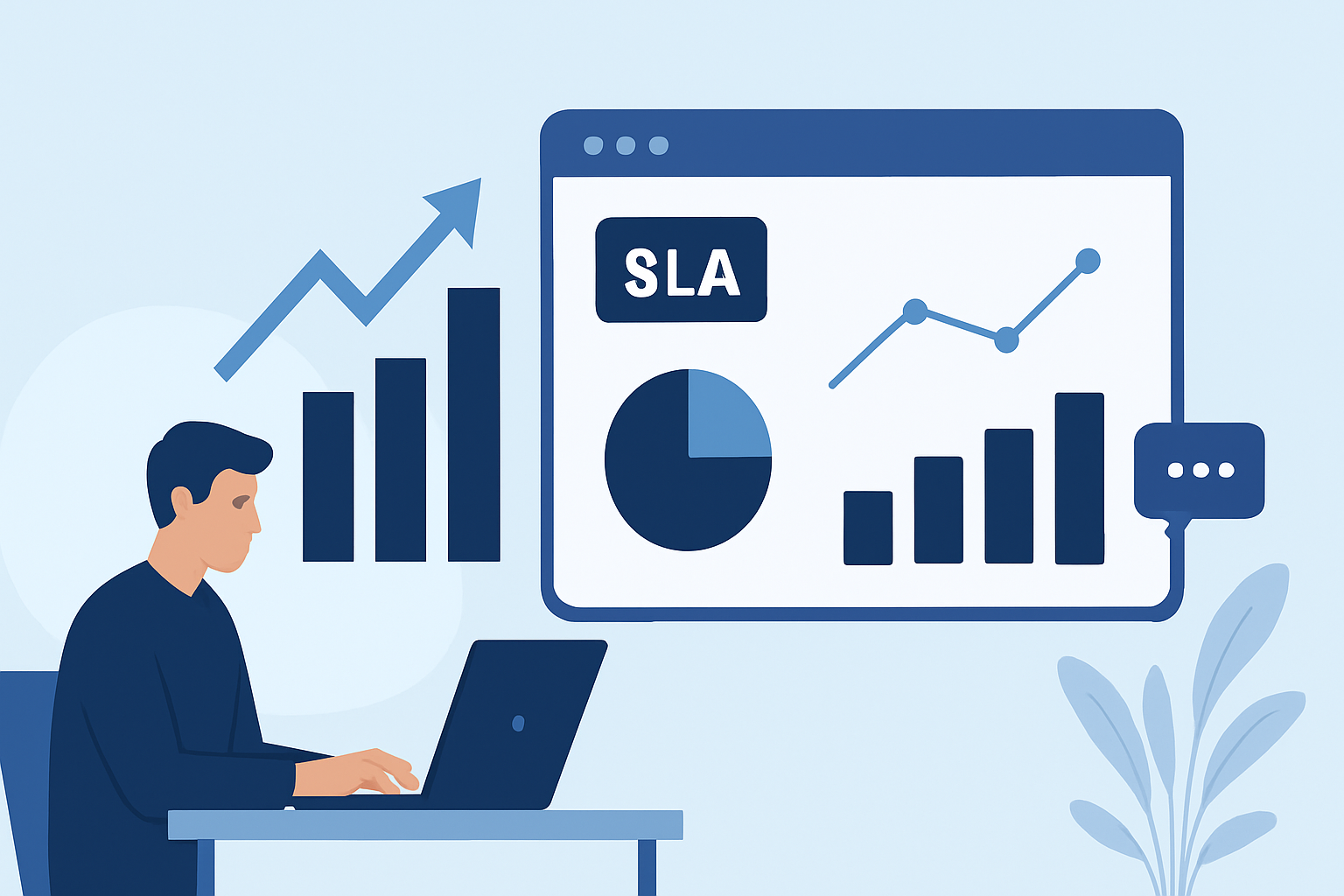
The Importance of Support Metrics in Managing Service Level Agreements
In today’s fast-paced digital landscape, businesses rely heavily on technology to deliver their products and services. As a result, Service Level Agreements (SLAs) have become essential in defining the expected level of service between a provider and a client. However, to effectively manage these SLAs, organizations must leverage support metrics. This article explores the importance of support metrics in managing SLAs and how they can enhance service delivery.
What are Support Metrics?
Support metrics are quantitative measures that help organizations assess the performance of their support services. These metrics provide insights into various aspects of service delivery, including response times, resolution rates, customer satisfaction, and overall service quality. By analyzing these metrics, businesses can identify areas for improvement and ensure that they meet the commitments outlined in their SLAs.
Key Support Metrics for SLA Management
- Response Time: This metric measures the time taken to acknowledge a customer's request. A quick response time is crucial for maintaining customer satisfaction and indicates that the support team is attentive and responsive.
- Resolution Time: This metric tracks the time required to resolve an issue after it has been reported. Minimizing resolution time is essential for meeting SLA commitments and ensuring a positive customer experience.
- First Contact Resolution Rate: This metric indicates the percentage of issues resolved during the first interaction with the customer. A high first contact resolution rate not only reflects efficiency but also boosts customer satisfaction.
- Customer Satisfaction Score (CSAT): This metric measures customer satisfaction with the support they received. Regularly evaluating CSAT helps organizations gauge their support effectiveness and identify areas that need attention.
- Ticket Volume: Monitoring the volume of support tickets can help organizations understand trends and patterns in customer inquiries. This information is vital for resource allocation and planning.
The Role of Support Metrics in SLA Compliance
Support metrics play a critical role in ensuring compliance with SLAs. By continuously monitoring these metrics, organizations can:
- Identify Trends: Analyzing support metrics over time allows businesses to identify trends and patterns in service performance. This data can inform strategic decisions and help in forecasting future support needs.
- Implement Improvements: When metrics indicate that certain SLA targets are not being met, organizations can take proactive measures to improve processes, training, or resource allocation.
- Enhance Accountability: Clear metrics create accountability among support staff, as they are aware of the performance standards they need to meet. This can motivate teams to strive for better service delivery.
- Facilitate Communication: Metrics provide a common language for discussing performance with stakeholders, including clients and management. This transparency fosters trust and collaboration.
Conclusion
In conclusion, support metrics are invaluable tools for managing Service Level Agreements effectively. By leveraging these metrics, organizations can ensure they meet their service commitments, enhance customer satisfaction, and continuously improve their support processes. As the business landscape continues to evolve, the importance of data-driven decision-making in support services will only increase, making it essential for organizations to prioritize the monitoring and analysis of support metrics.
Este artigo faz parte do nosso blog. Veja-o na lista e descubra mais.
Ver todos os artigosSimplifique o seu apoio ao cliente. Organize tickets, responda mais rápido e mantenha a equipa alinhada.