The Power of Loyalty Programs: How to Keep Customers Coming Back
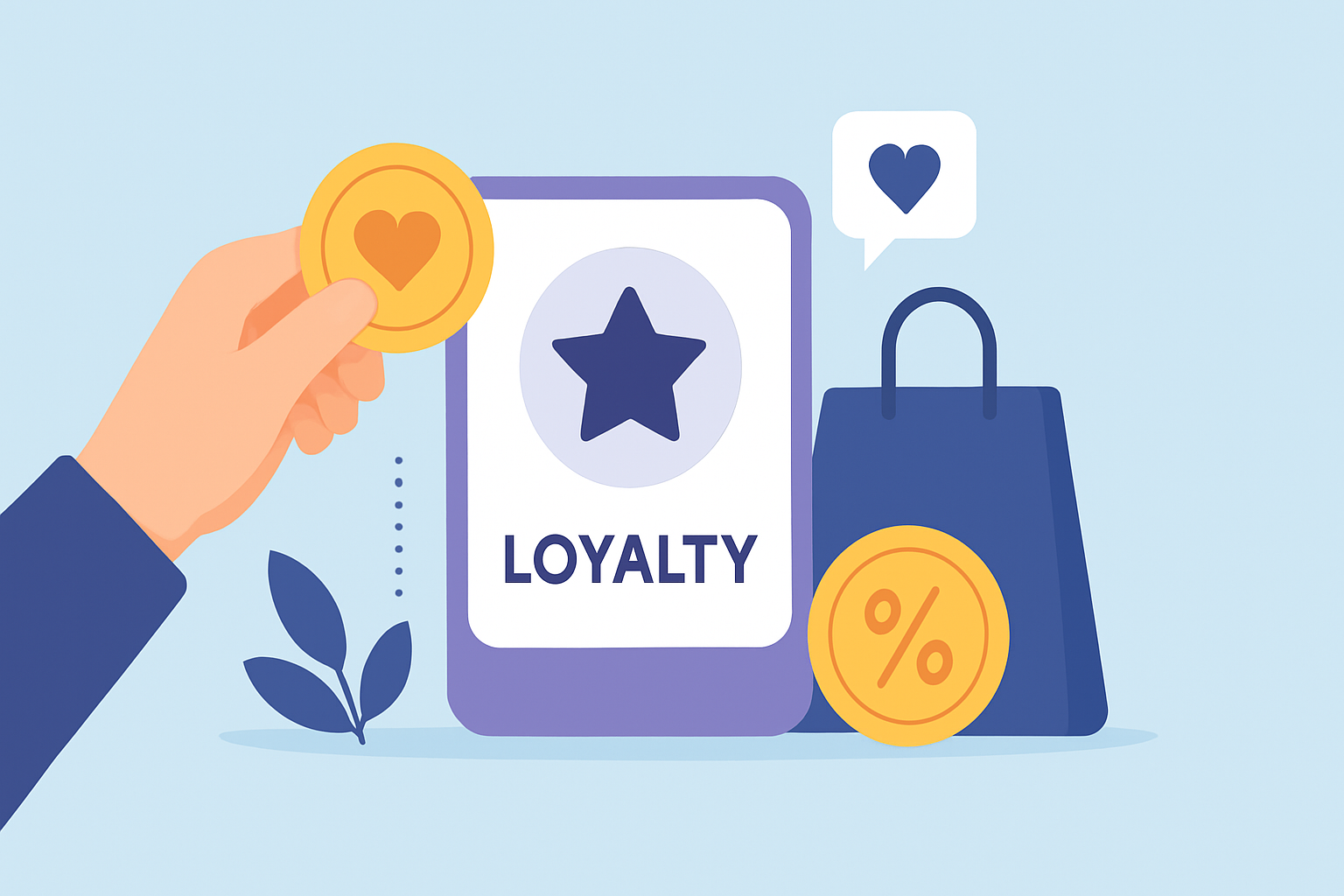
The Power of Loyalty Programs: How to Keep Customers Coming Back
In today's competitive market, retaining customers is just as important as attracting new ones. One of the most effective strategies for enhancing customer loyalty is through well-designed loyalty programs. These programs not only reward customers for their repeat business but also foster a sense of belonging and appreciation. In this article, we will explore the power of loyalty programs and how they can keep customers coming back.
Understanding Loyalty Programs
Loyalty programs are structured marketing strategies designed to encourage customers to continue to shop at or use the services of a business associated with the program. They often involve offering rewards, discounts, or exclusive access to products and services based on a customer's purchasing behavior.
Benefits of Loyalty Programs
- Increased Customer Retention: Loyalty programs provide incentives for customers to return, which can significantly increase retention rates.
- Higher Customer Lifetime Value: Engaged customers tend to spend more over time, leading to a higher lifetime value for businesses.
- Valuable Customer Data: Loyalty programs allow businesses to gather data on customer preferences and behaviors, enabling more targeted marketing strategies.
- Brand Advocacy: Satisfied customers are more likely to recommend the brand to others, enhancing word-of-mouth marketing.
Types of Loyalty Programs
There are several types of loyalty programs that businesses can implement, depending on their industry and customer base:
- Points-Based Programs: Customers earn points for every purchase, which can be redeemed for discounts or free products.
- Tiered Programs: Customers unlock different levels of rewards based on their spending, encouraging them to reach higher tiers for better benefits.
- Cashback Programs: Customers receive a percentage of their purchase back as cash, which can be used for future purchases.
- Coalition Programs: Multiple businesses collaborate to offer a shared loyalty program, allowing customers to earn and redeem points across different brands.
Designing an Effective Loyalty Program
To create a successful loyalty program, businesses should consider the following key elements:
- Simplicity: The program should be easy to understand and participate in. Complicated rules may discourage customers from engaging.
- Attractive Rewards: Rewards should be appealing and relevant to the target audience. Regularly updating rewards can maintain interest.
- Personalization: Tailoring rewards and communications based on customer preferences can enhance the customer experience and increase loyalty.
- Effective Communication: Regularly inform customers about their points balance, available rewards, and any updates to the program through various channels.
Measuring the Success of Loyalty Programs
To determine the effectiveness of a loyalty program, businesses should track key performance indicators (KPIs) such as:
- Customer Retention Rate: An increase in this rate indicates that the loyalty program is working.
- Redemption Rate: A high redemption rate suggests that customers find the rewards valuable.
- Customer Lifetime Value: Monitoring changes in this metric can help assess the long-term impact of the loyalty program.
- Program Enrollment: Tracking how many customers sign up for the program can provide insight into its appeal.
Conclusion
Loyalty programs are a powerful tool for businesses looking to cultivate long-term relationships with their customers. By offering meaningful rewards and creating an engaging experience, companies can not only retain customers but also turn them into brand advocates. As the marketplace continues to evolve, investing in a well-structured loyalty program can be the key to staying ahead of the competition and ensuring customer satisfaction.
Este artigo faz parte do nosso blog. Veja-o na lista e descubra mais.
Ver todos os artigosSimplifique o seu apoio ao cliente. Organize tickets, responda mais rápido e mantenha a equipa alinhada.
Agendar Demonstração