The Power of Personalization: How to Keep Customers Coming Back
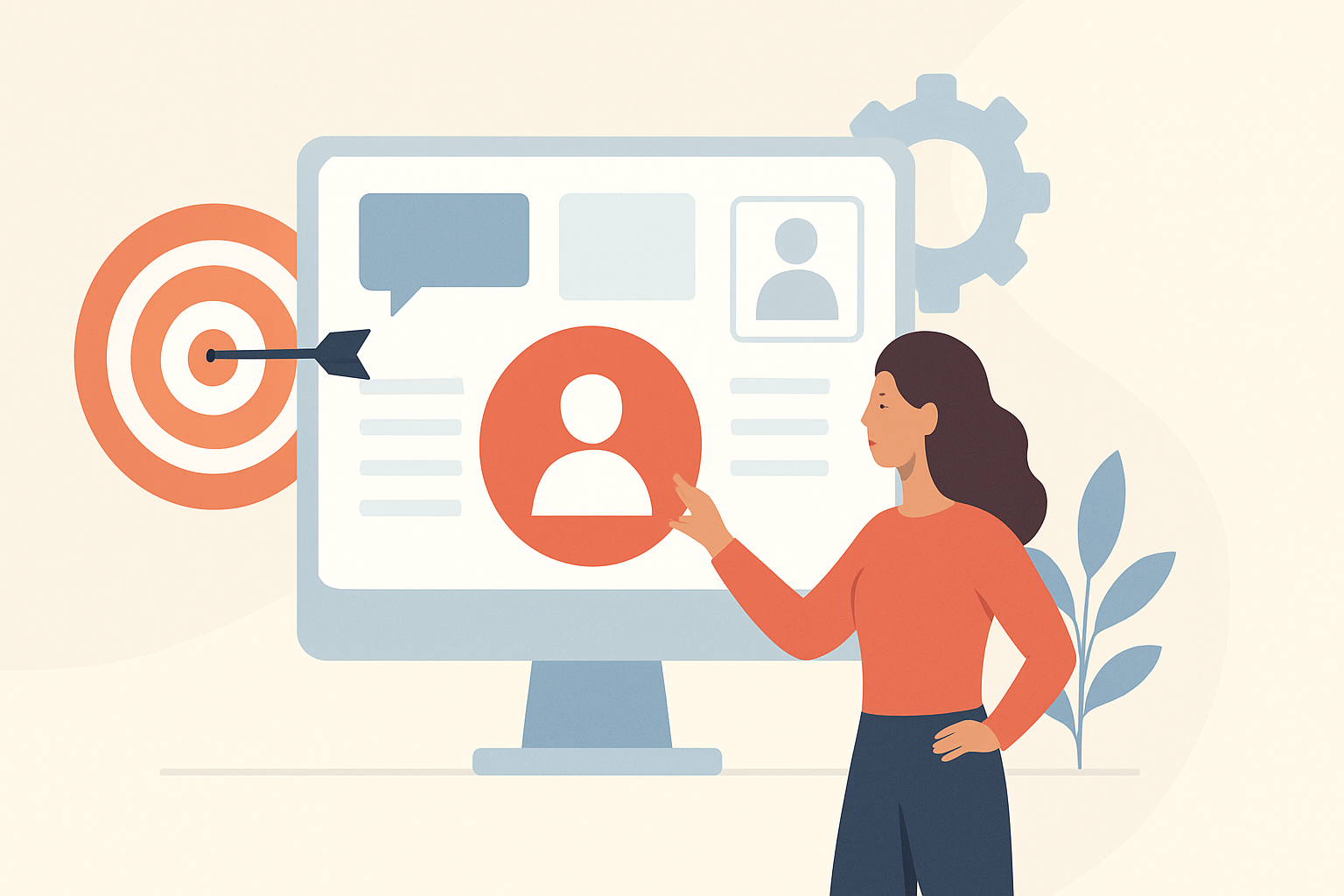
The Power of Personalization: How to Keep Customers Coming Back
In today's competitive market, businesses are constantly seeking ways to retain customers and encourage repeat purchases. One of the most effective strategies to achieve this is through personalization. By tailoring experiences, products, and communications to individual preferences, companies can foster loyalty and create lasting relationships with their customers.
Understanding Personalization
Personalization refers to the practice of using data to customize the customer experience. This can involve anything from personalized email marketing campaigns to product recommendations based on past purchases. The key is to make customers feel valued and understood, which can significantly enhance their overall experience.
Why Personalization Matters
- Improved Customer Experience: Personalization helps create a more engaging and enjoyable shopping experience. When customers receive relevant recommendations, they are more likely to find products that meet their needs.
- Increased Customer Loyalty: When customers feel that a brand understands their preferences, they are more likely to return. Personalization fosters a sense of connection and loyalty, making customers less likely to switch to competitors.
- Higher Conversion Rates: Personalized marketing has been shown to lead to higher conversion rates. Customers are more inclined to purchase products that are tailored to their interests.
- Valuable Customer Insights: By analyzing customer data, businesses can gain valuable insights into buying behaviors and preferences, allowing for more effective marketing strategies.
Strategies for Effective Personalization
Implementing personalization strategies requires a thoughtful approach. Here are some effective ways to personalize customer interactions:
- Segment Your Audience: Divide your customer base into different segments based on demographics, purchase history, and behavior. This allows you to tailor your marketing efforts to specific groups.
- Utilize Data Analytics: Use data analytics tools to gather insights about customer preferences and behaviors. This information can help you create targeted marketing campaigns.
- Personalized Email Campaigns: Send customized emails that address customers by name and recommend products based on their previous purchases or browsing history.
- Dynamic Content: Implement dynamic content on your website that changes based on the user's behavior, such as displaying products they have previously viewed.
- Feedback and Reviews: Encourage customers to provide feedback and reviews. Use this information to improve your offerings and personalize their experience further.
Challenges and Considerations
While personalization offers numerous benefits, it also comes with challenges. Businesses must ensure they are handling customer data responsibly and transparently. Privacy concerns can arise, so it’s crucial to maintain trust by being clear about how data is used and giving customers control over their information.
Conclusion
The power of personalization cannot be overstated. By understanding and implementing effective personalization strategies, businesses can enhance customer experiences, foster loyalty, and ultimately drive sales. In a world where consumers are inundated with choices, making customers feel special and valued is the key to keeping them coming back.
Este artigo faz parte do nosso blog. Veja-o na lista e descubra mais.
Ver todos os artigosSimplifique o seu apoio ao cliente. Organize tickets, responda mais rápido e mantenha a equipa alinhada.
Agendar Demonstração