The Power of Personalization: Transforming Customer Experience for Better Engagement
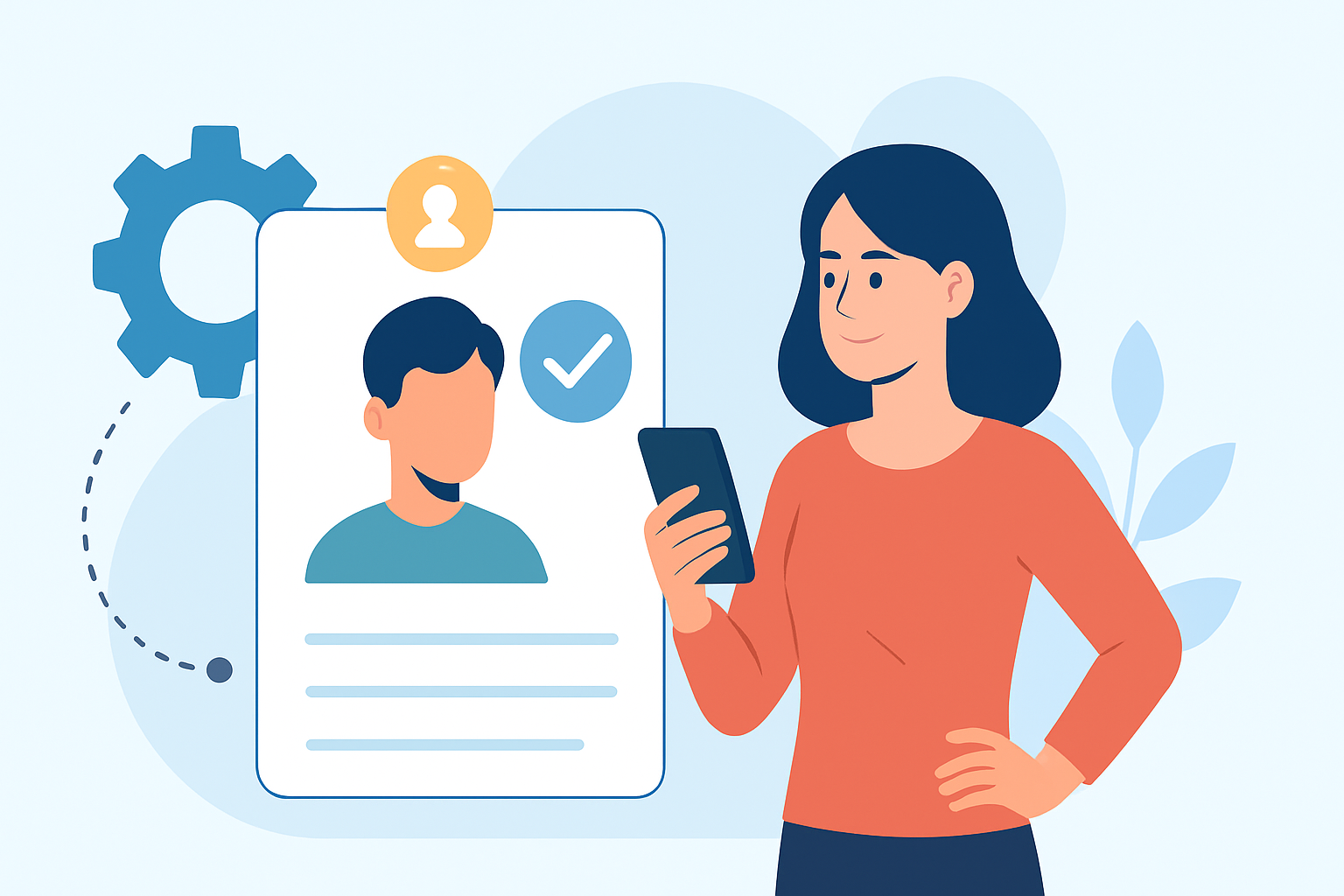
The Power of Personalization: Transforming Customer Experience for Better Engagement
In today's fast-paced digital world, businesses are constantly seeking ways to stand out from the competition and create meaningful connections with their customers. One of the most effective strategies to achieve this is through personalization. This article explores how personalization can transform customer experience and enhance engagement.
What is Personalization?
Personalization refers to the process of tailoring products, services, and communications to meet the individual preferences and needs of customers. By leveraging data and insights, companies can create a more relevant and engaging experience for each user. This approach goes beyond mere customization; it involves understanding customer behavior, preferences, and expectations to deliver a unique interaction at every touchpoint.
Why is Personalization Important?
Personalization is crucial for several reasons:
- Enhanced Customer Experience: Personalization helps in creating a seamless experience that resonates with customers, making them feel valued and understood.
- Increased Engagement: When customers receive tailored content or recommendations, they are more likely to engage with the brand, leading to higher interaction rates.
- Higher Conversion Rates: Personalized marketing strategies can significantly boost conversion rates, as customers are more inclined to purchase products that are relevant to their interests.
- Customer Loyalty: Providing a personalized experience fosters trust and loyalty, encouraging repeat business and long-term relationships.
Strategies for Effective Personalization
To effectively implement personalization, businesses can adopt the following strategies:
- Collect and Analyze Data: Gather data from various sources, such as website interactions, purchase history, and social media activity. Analyzing this data helps in understanding customer preferences and behaviors.
- Segment Your Audience: Divide your audience into segments based on demographics, interests, and behaviors. This allows for more targeted and relevant marketing efforts.
- Utilize Technology: Employ tools and platforms that facilitate personalization, such as CRM systems and marketing automation software, to streamline the process.
- Test and Optimize: Continuously test different personalized approaches and optimize them based on performance metrics to ensure maximum effectiveness.
Examples of Personalization in Action
Many successful brands have effectively utilized personalization to enhance customer experience:
- Amazon: The e-commerce giant uses sophisticated algorithms to recommend products based on customers' browsing and purchase history, significantly increasing sales.
- Netflix: By analyzing viewing habits, Netflix curates personalized content suggestions for each user, enhancing user engagement and retention.
- Spotify: Spotify creates personalized playlists and music recommendations based on users' listening behaviors, fostering a deeper connection with their audience.
Challenges of Personalization
While personalization offers numerous benefits, it also presents challenges:
- Data Privacy Concerns: Customers are increasingly aware of data privacy issues, making it essential for businesses to handle data responsibly and transparently.
- Implementation Costs: Developing a robust personalization strategy may require significant investment in technology and resources.
- Maintaining Relevance: As customer preferences change, businesses must continually adapt their personalization strategies to stay relevant and effective.
Conclusion
The power of personalization lies in its ability to transform customer experience and drive engagement. By understanding and catering to individual preferences, businesses can create meaningful interactions that foster loyalty and increase conversion rates. As the digital landscape continues to evolve, embracing personalization will be key to staying ahead of the competition and meeting the ever-changing expectations of customers.
Este artigo faz parte do nosso blog. Veja-o na lista e descubra mais.
Ver todos os artigosSimplifique o seu apoio ao cliente. Organize tickets, responda mais rápido e mantenha a equipa alinhada.