The Role of SLA in Enhancing Support Team Efficiency and Accountability
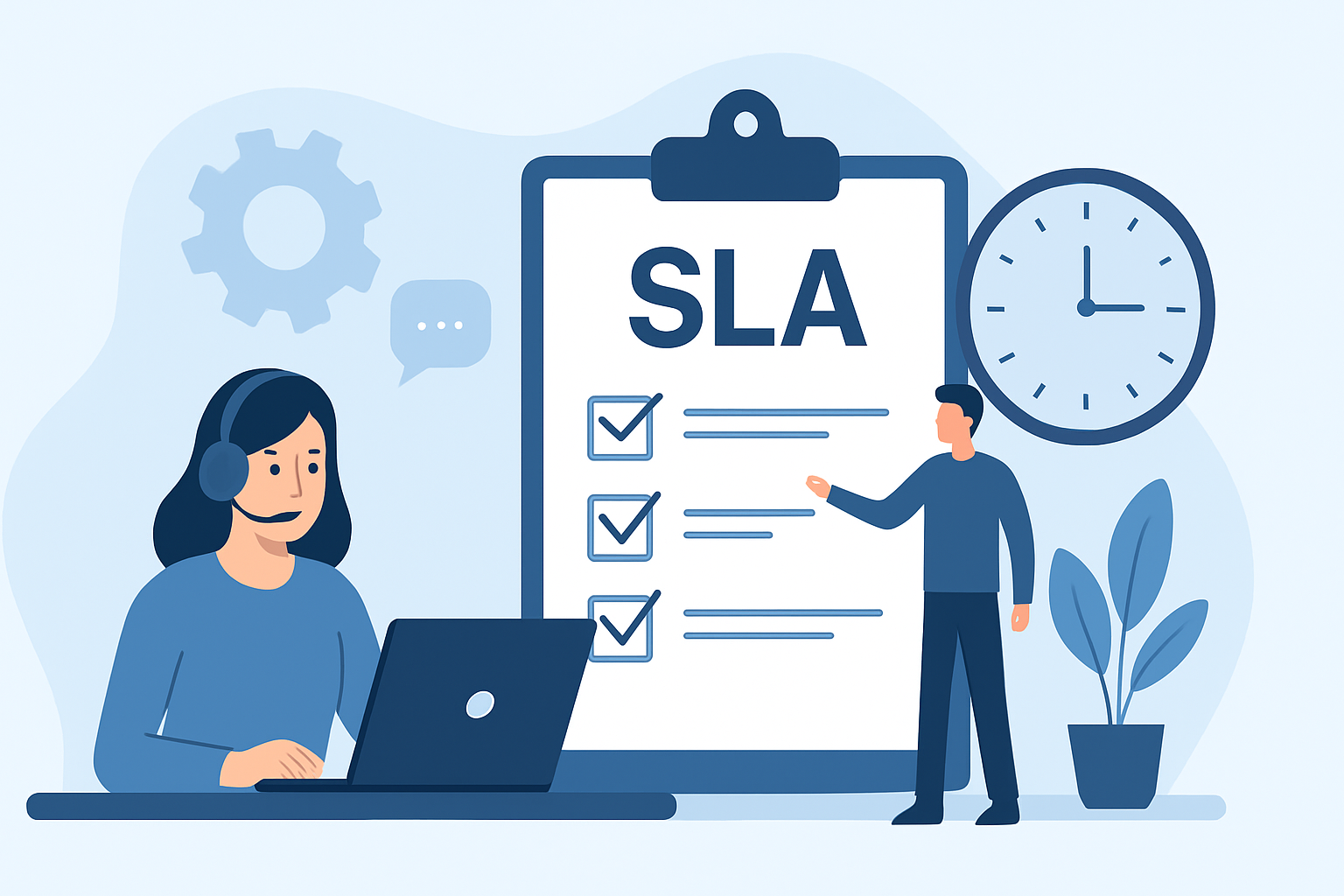
The Role of SLA in Enhancing Support Team Efficiency and Accountability
Service Level Agreements (SLAs) play a crucial role in the functioning of support teams across various industries. By clearly defining expectations between service providers and clients, SLAs help enhance efficiency and accountability, leading to improved customer satisfaction. In this article, we will explore the significance of SLAs, how they contribute to support team performance, and best practices for implementing them effectively.
Understanding SLAs
A Service Level Agreement is a formal document that outlines the expected level of service between a provider and a customer. It includes specific metrics, such as response times, resolution times, and availability, which are essential for measuring the performance of support teams. By setting these standards, SLAs serve as a framework for accountability and provide a basis for assessing service quality.
Benefits of SLAs for Support Teams
Implementing SLAs can yield several benefits for support teams:
- Clarity of Expectations: SLAs provide clear guidelines on what is expected from the support team, reducing ambiguity and misunderstandings.
- Performance Measurement: They offer measurable benchmarks for evaluating team performance, allowing for data-driven assessments.
- Improved Accountability: With defined responsibilities, team members are more likely to take ownership of their tasks, enhancing accountability.
- Enhanced Customer Satisfaction: By meeting or exceeding the service levels defined in the SLA, support teams can significantly improve customer satisfaction and loyalty.
- Proactive Management: SLAs enable teams to identify potential service issues before they escalate, allowing for proactive management and resolution.
How SLAs Enhance Efficiency
SLAs enhance the efficiency of support teams in several ways:
- Streamlined Processes: By outlining specific procedures and response times, SLAs help streamline support processes, reducing delays and improving workflow.
- Resource Allocation: Understanding service expectations allows support teams to allocate resources more effectively, ensuring that the right personnel are available when needed.
- Focus on Priorities: SLAs help teams prioritize their workload based on urgency and importance, ensuring that critical issues are addressed promptly.
Best Practices for Implementing SLAs
To maximize the effectiveness of SLAs, consider the following best practices:
- Involve Stakeholders: Engage both support teams and customers in the SLA creation process to ensure that the agreement meets everyone's needs.
- Define Clear Metrics: Establish specific, measurable metrics that are realistic and achievable, making it easier to evaluate performance.
- Regular Reviews: Conduct regular reviews of the SLA to adapt to changing business needs and customer expectations.
- Training and Communication: Provide training for support team members on SLA expectations and ensure ongoing communication regarding performance against these standards.
- Utilize Technology: Leverage software tools to track performance metrics and automate reporting, making it easier to monitor compliance with SLA terms.
Conclusion
In conclusion, Service Level Agreements are vital for enhancing the efficiency and accountability of support teams. By setting clear expectations and measurable standards, SLAs not only improve team performance but also contribute to higher levels of customer satisfaction. By following best practices in SLA implementation, organizations can ensure that their support teams operate at their best, ultimately leading to a more successful and sustainable service model.
Este artigo faz parte do nosso blog. Veja-o na lista e descubra mais.
Ver todos os artigosSimplifique o seu apoio ao cliente. Organize tickets, responda mais rápido e mantenha a equipa alinhada.
Agendar Demonstração