The Role of SLA in Measuring Support Performance: A Comprehensive Guide
The Role of SLA in Measuring Support Performance: A Comprehensive Guide
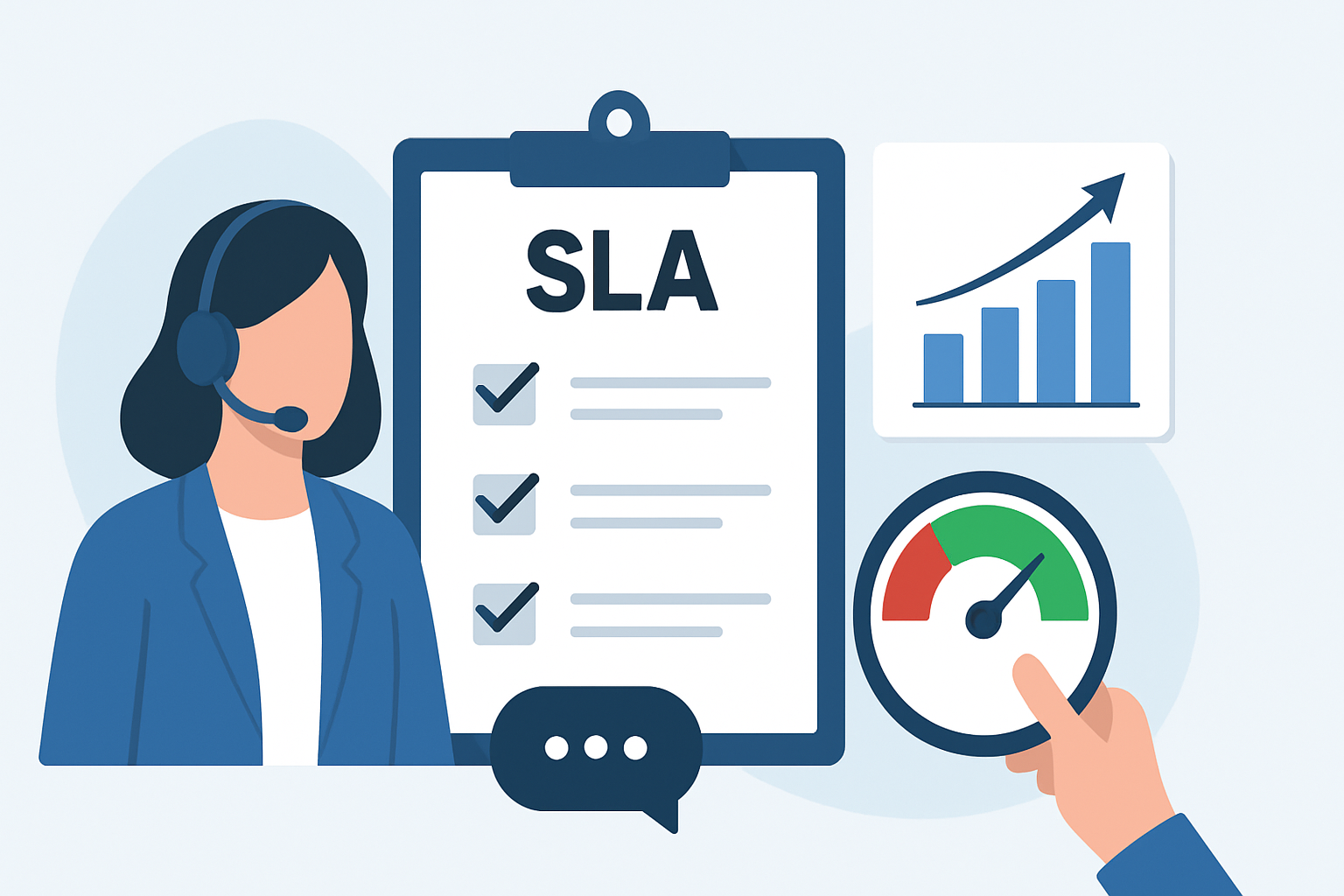
Service Level Agreements (SLAs) are critical tools in the realm of customer support and service management. They serve as formal agreements between service providers and clients, outlining the expected level of service. In this article, we will explore the significance of SLAs in measuring support performance, how they can be effectively implemented, and the benefits they provide to both organizations and their customers.
What is an SLA?
An SLA is a documented agreement that defines the service expectations between a service provider and its customers. It typically includes specific metrics related to service delivery, response times, and resolution times. By establishing clear expectations, SLAs help foster accountability and provide a framework for performance evaluation.
Importance of SLAs in Support Performance
SLAs play a crucial role in measuring support performance for several reasons:
- Clarity of Expectations: SLAs provide a clear understanding of what customers can expect from the support team, reducing ambiguity and misunderstandings.
- Performance Measurement: They serve as benchmarks against which support performance can be measured, allowing organizations to assess whether they are meeting their commitments.
- Accountability: SLAs hold support teams accountable for their performance, encouraging them to maintain high standards of service.
- Continuous Improvement: By analyzing SLA metrics, organizations can identify areas for improvement and optimize their support processes.
Key Components of an SLA
When creating an SLA, several key components should be included to ensure its effectiveness:
- Service Description: A detailed description of the services provided, including any limitations or exclusions.
- Performance Metrics: Clearly defined metrics such as response time, resolution time, and availability. These metrics should be measurable and relevant to the services offered.
- Roles and Responsibilities: A clear outline of the roles and responsibilities of both the service provider and the customer.
- Reporting and Monitoring: Details on how performance will be monitored and reported, including frequency and format of reports.
- Consequences of Non-compliance: Outlining the repercussions if the agreed-upon service levels are not met, which may include penalties or service credits.
Implementing SLAs Effectively
To implement SLAs effectively, organizations should consider the following steps:
- Engage Stakeholders: Involve key stakeholders in the SLA development process to ensure that the agreement reflects the needs and expectations of all parties.
- Set Realistic Goals: Establish achievable performance metrics that take into account the organization's capabilities and resources.
- Regular Reviews: Schedule regular reviews of the SLA to ensure it remains relevant and aligned with changing business needs.
- Training and Communication: Provide training to support staff on the SLA requirements and ensure clear communication with customers regarding the terms of the agreement.
Benefits of SLAs for Organizations
Implementing SLAs can yield numerous benefits for organizations, including:
- Enhanced Customer Satisfaction: By setting and meeting service expectations, organizations can improve customer satisfaction and loyalty.
- Increased Efficiency: SLAs encourage support teams to streamline processes and focus on key performance areas, leading to increased efficiency.
- Risk Mitigation: By clearly defining service levels, organizations can mitigate risks associated with service delivery failures.
- Data-Driven Decision Making: The metrics collected through SLAs provide valuable data that can inform strategic decisions and resource allocation.
Conclusion
In conclusion, Service Level Agreements are essential in measuring support performance. They provide a structured approach to defining service expectations, measuring performance, and driving continuous improvement. By effectively implementing and managing SLAs, organizations can enhance customer satisfaction, increase operational efficiency, and achieve their business objectives.
Este artigo faz parte do nosso blog. Veja-o na lista e descubra mais.
Ver todos os artigosSimplifique o seu apoio ao cliente. Organize tickets, responda mais rápido e mantenha a equipa alinhada.
Agendar Demonstração