The Role of SLA in Measuring Support Team Performance and Efficiency
The Role of SLA in Measuring Support Team Performance and Efficiency
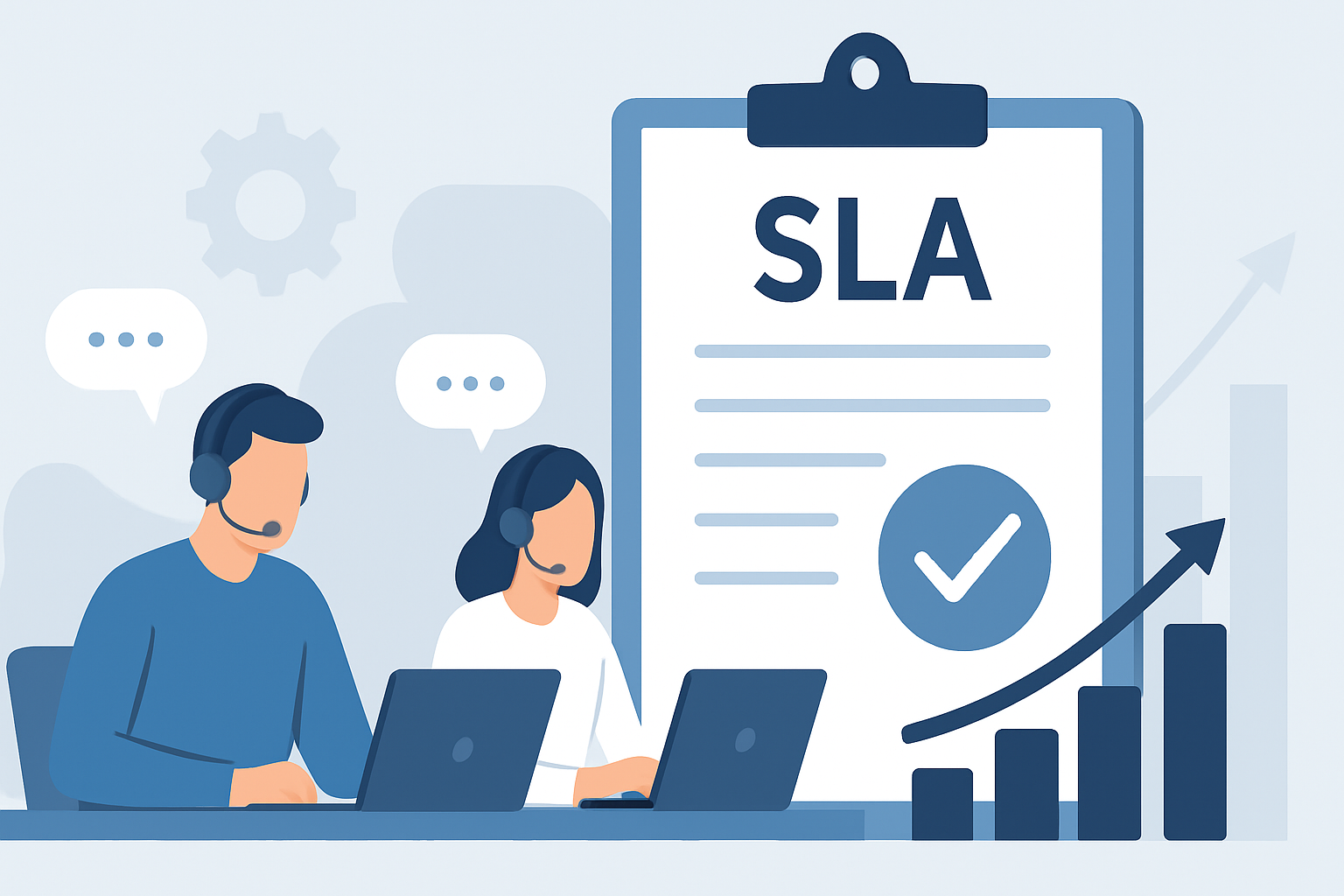
Service Level Agreements (SLAs) are critical tools used by organizations to define and measure the performance and efficiency of their support teams. By establishing clear expectations between service providers and customers, SLAs not only enhance accountability but also foster a culture of continuous improvement. In this article, we will explore the significance of SLAs in measuring support team performance and efficiency, and how they can be effectively implemented.
Understanding Service Level Agreements (SLAs)
An SLA is a formal contract that outlines the expected service levels between a service provider and a customer. It typically includes metrics such as response times, resolution times, and availability of support services. By setting these standards, SLAs help ensure that both parties have a clear understanding of their responsibilities and expectations.
Importance of SLAs in Measuring Performance
SLAs play a vital role in assessing the performance of support teams. Here are some key reasons why SLAs are important:
- Establish Clear Expectations: SLAs provide a clear framework for what customers can expect in terms of service delivery, which helps in managing customer expectations effectively.
- Benchmarking Performance: By defining specific metrics, SLAs enable organizations to benchmark their support team’s performance against industry standards or past performance.
- Accountability: SLAs create a sense of accountability among support team members, as they are aware of the performance metrics they are expected to meet.
- Continuous Improvement: Regularly reviewing SLA metrics allows organizations to identify areas for improvement and implement changes that enhance efficiency.
Key Metrics to Include in SLAs
When creating an SLA, it is essential to include metrics that accurately reflect the performance and efficiency of the support team. Some key metrics to consider are:
- Response Time: The time taken to acknowledge a customer’s request.
- Resolution Time: The time taken to resolve a customer’s issue.
- First Contact Resolution Rate: The percentage of issues resolved on the first contact with the customer.
- Customer Satisfaction Score: A measure of how satisfied customers are with the support they received.
- Ticket Volume: The number of support requests received over a specific period.
Implementing and Monitoring SLAs
To effectively implement and monitor SLAs, organizations should follow these best practices:
- Define Clear Objectives: Establish what you want to achieve with your SLA, such as improved response times or higher customer satisfaction.
- Involve Stakeholders: Engage both support team members and customers in the SLA creation process to ensure that all perspectives are considered.
- Regularly Review SLAs: Schedule regular reviews of SLA performance to assess whether the metrics are still relevant and to identify areas for improvement.
- Use Technology: Implement tools and software that can help track SLA metrics and generate reports for analysis.
Conclusion
In conclusion, SLAs are essential for measuring the performance and efficiency of support teams. By establishing clear expectations and metrics, organizations can enhance accountability, drive continuous improvement, and ultimately provide better service to their customers. As businesses continue to evolve, the effective use of SLAs will remain a cornerstone of successful support operations.
Este artigo faz parte do nosso blog. Veja-o na lista e descubra mais.
Ver todos os artigosSimplifique o seu apoio ao cliente. Organize tickets, responda mais rápido e mantenha a equipa alinhada.
Agendar Demonstração