Transforming Your Workflow: A Guide to Successful Automation
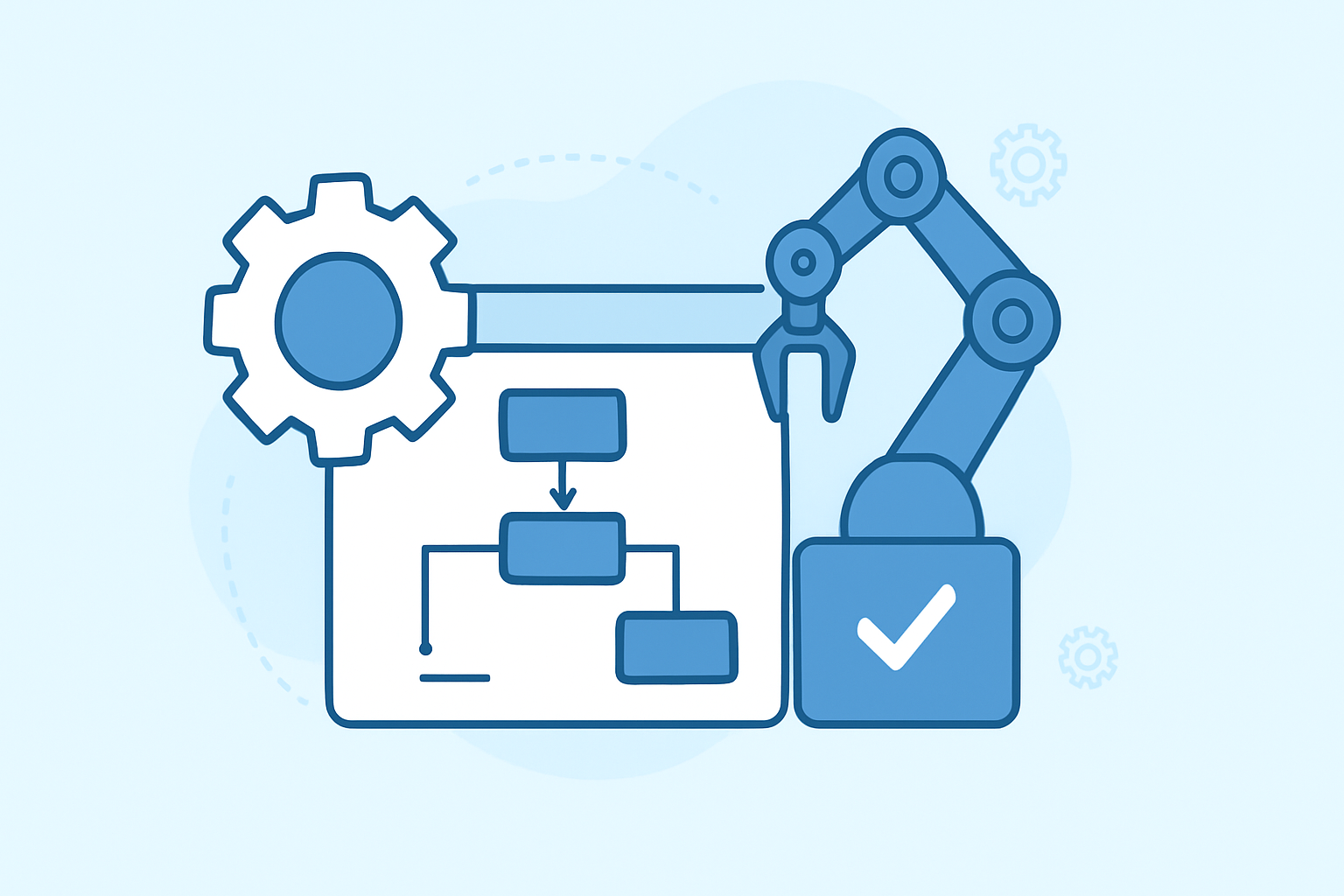
Transforming Your Workflow: A Guide to Successful Automation
In today's fast-paced business environment, efficiency is key to staying competitive. One of the most effective ways to enhance productivity is through automation. This guide will explore the essential steps to successfully automate your workflow, helping you save time, reduce errors, and focus on what truly matters.
Understanding Workflow Automation
Workflow automation involves using technology to perform tasks and processes with minimal human intervention. By automating repetitive tasks, organizations can streamline their operations, improve accuracy, and free up valuable resources. Here are some common areas where automation can make a significant impact:
- Data Entry: Automating data entry reduces the likelihood of human error and speeds up the process.
- Email Management: Automating email responses or sorting can save time and ensure timely communication.
- Reporting: Automated reports can provide insights in real-time, allowing for quicker decision-making.
Steps to Successfully Automate Your Workflow
To ensure a successful automation process, consider the following steps:
- Identify Repetitive Tasks: Start by evaluating your current workflow. Identify tasks that are repetitive, time-consuming, and prone to errors.
- Set Clear Goals: Determine what you want to achieve with automation. Whether it’s saving time, reducing costs, or improving accuracy, having clear objectives will guide your efforts.
- Choose the Right Tools: Research and select automation tools that fit your needs. There are many options available, from simple task automation software to comprehensive workflow management systems.
- Test Your Automation: Before fully implementing an automated solution, conduct tests to ensure it works as intended. This will help you identify any issues and make necessary adjustments.
- Train Your Team: Provide training for your team members on how to use the new tools effectively. Ensuring everyone is on the same page will facilitate a smoother transition.
- Monitor and Optimize: After implementation, continuously monitor the automated processes. Gather feedback and analyze performance data to identify areas for improvement.
Benefits of Workflow Automation
Implementing automation in your workflow offers numerous benefits, including:
- Increased Efficiency: Automating tasks allows your team to focus on more strategic activities, enhancing overall productivity.
- Cost Savings: Reducing manual labor can lead to significant cost savings over time.
- Improved Accuracy: Automation minimizes human error, resulting in more accurate outputs.
- Enhanced Scalability: Automated processes can be easily scaled as your business grows, ensuring you can handle increased workloads without sacrificing quality.
Conclusion
Transforming your workflow through automation is not just a trend; it’s a strategic move that can lead to significant improvements in efficiency and productivity. By identifying repetitive tasks, setting clear goals, and choosing the right tools, you can create a seamless automated workflow that benefits your organization. Embrace the change, and watch your business thrive in an increasingly automated world.
Este artigo faz parte do nosso blog. Veja-o na lista e descubra mais.
Ver todos os artigosSimplifique o seu apoio ao cliente. Organize tickets, responda mais rápido e mantenha a equipa alinhada.