Understanding Customer Journey: Best Practices for Improvement
Understanding Customer Journey: Best Practices for Improvement
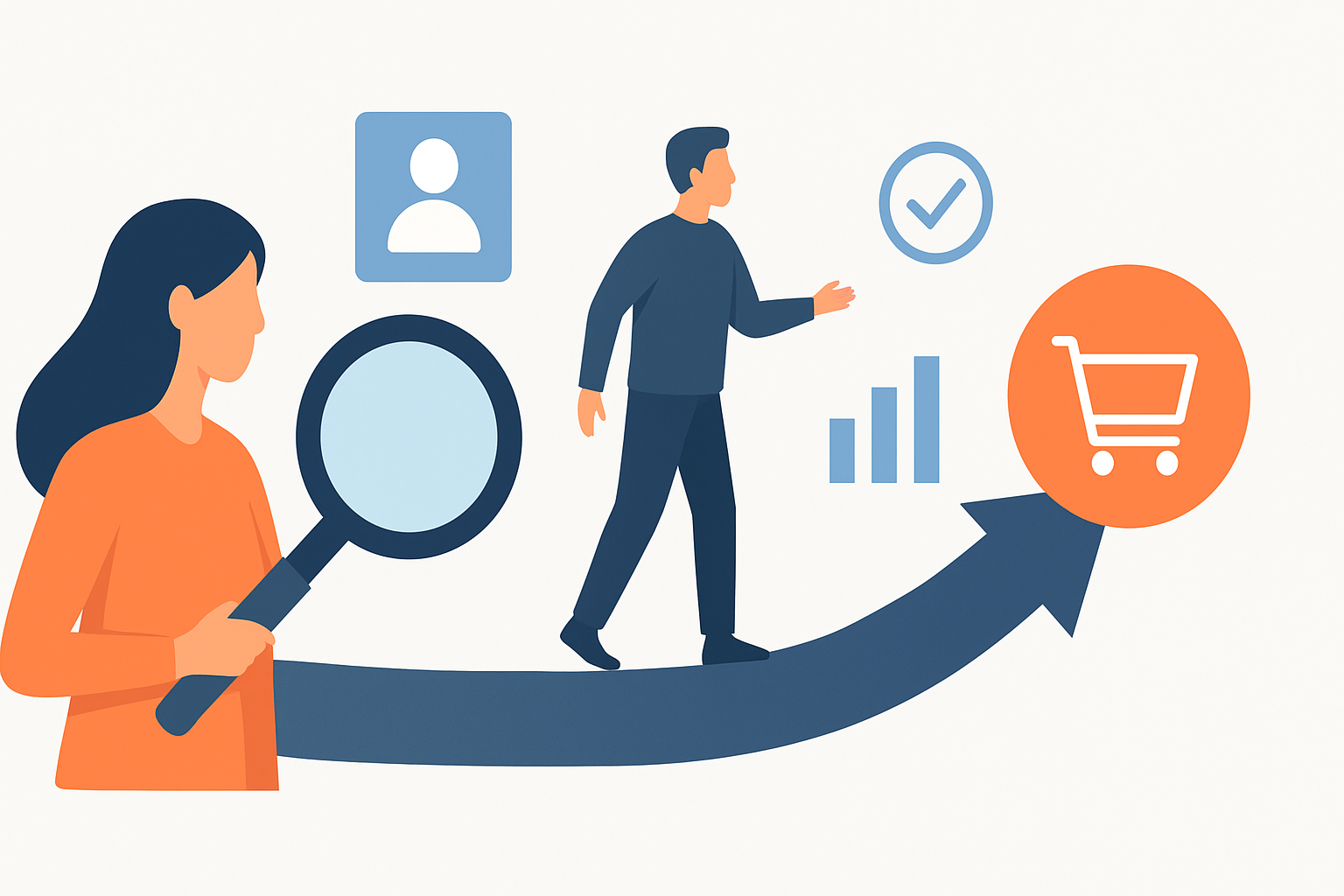
The customer journey refers to the complete experience a customer has with a brand, from the initial awareness to the final purchase and beyond. Understanding this journey is crucial for businesses looking to enhance customer satisfaction, improve retention rates, and ultimately drive sales. In this article, we will explore the key stages of the customer journey and best practices for improvement.
Stages of the Customer Journey
The customer journey can be divided into several stages, each of which presents unique opportunities and challenges:
- Aware: At this stage, potential customers first become aware of a brand or product through various channels such as social media, advertising, or word-of-mouth.
- Consideration: Customers start to evaluate the brand and compare it with competitors. They may seek reviews, testimonials, and product information.
- Purchase: This is the stage where the customer makes a decision and completes a transaction, which can occur online or in-store.
- Post-Purchase: After the purchase, customers evaluate their experience. This stage is crucial for building loyalty and encouraging repeat business.
- Advocacy: Satisfied customers may become advocates for the brand, sharing their positive experiences and recommending it to others.
Best Practices for Improving the Customer Journey
To enhance the customer journey, businesses should consider implementing the following best practices:
1. Map the Customer Journey
Understanding the customer journey starts with mapping it out. Identify the key touchpoints where customers interact with your brand and analyze their experiences at each stage. This visualization helps identify pain points and opportunities for improvement.
2. Personalize the Experience
Customers appreciate a personalized experience. Use data analytics to tailor your marketing messages, product recommendations, and customer service interactions based on individual preferences and behaviors.
3. Optimize Communication Channels
Ensure that communication channels are streamlined and accessible. Whether through email, social media, or live chat, customers should find it easy to reach out for support or information. Quick response times can significantly enhance their experience.
4. Gather Customer Feedback
Regularly solicit feedback from customers to understand their experiences and expectations. Surveys, reviews, and direct conversations can provide valuable insights that help refine the customer journey.
5. Train Your Team
Your employees play a crucial role in shaping the customer experience. Invest in training them to understand the customer journey and empower them to make decisions that enhance customer satisfaction.
6. Leverage Technology
Utilize customer relationship management (CRM) tools to track customer interactions and preferences. This data can help you provide a more cohesive experience across all touchpoints.
Conclusion
Understanding and improving the customer journey is not a one-time task but an ongoing process. By mapping the journey, personalizing experiences, optimizing communication, gathering feedback, training your team, and leveraging technology, businesses can create a more satisfying customer experience. Ultimately, a well-managed customer journey leads to increased loyalty, positive word-of-mouth, and higher sales.
Este artigo faz parte do nosso blog. Veja-o na lista e descubra mais.
Ver todos os artigosSimplifique o seu apoio ao cliente. Organize tickets, responda mais rápido e mantenha a equipa alinhada.
Agendar Demonstração