Understanding SLA: A Comprehensive Guide for Effective Support Metrics
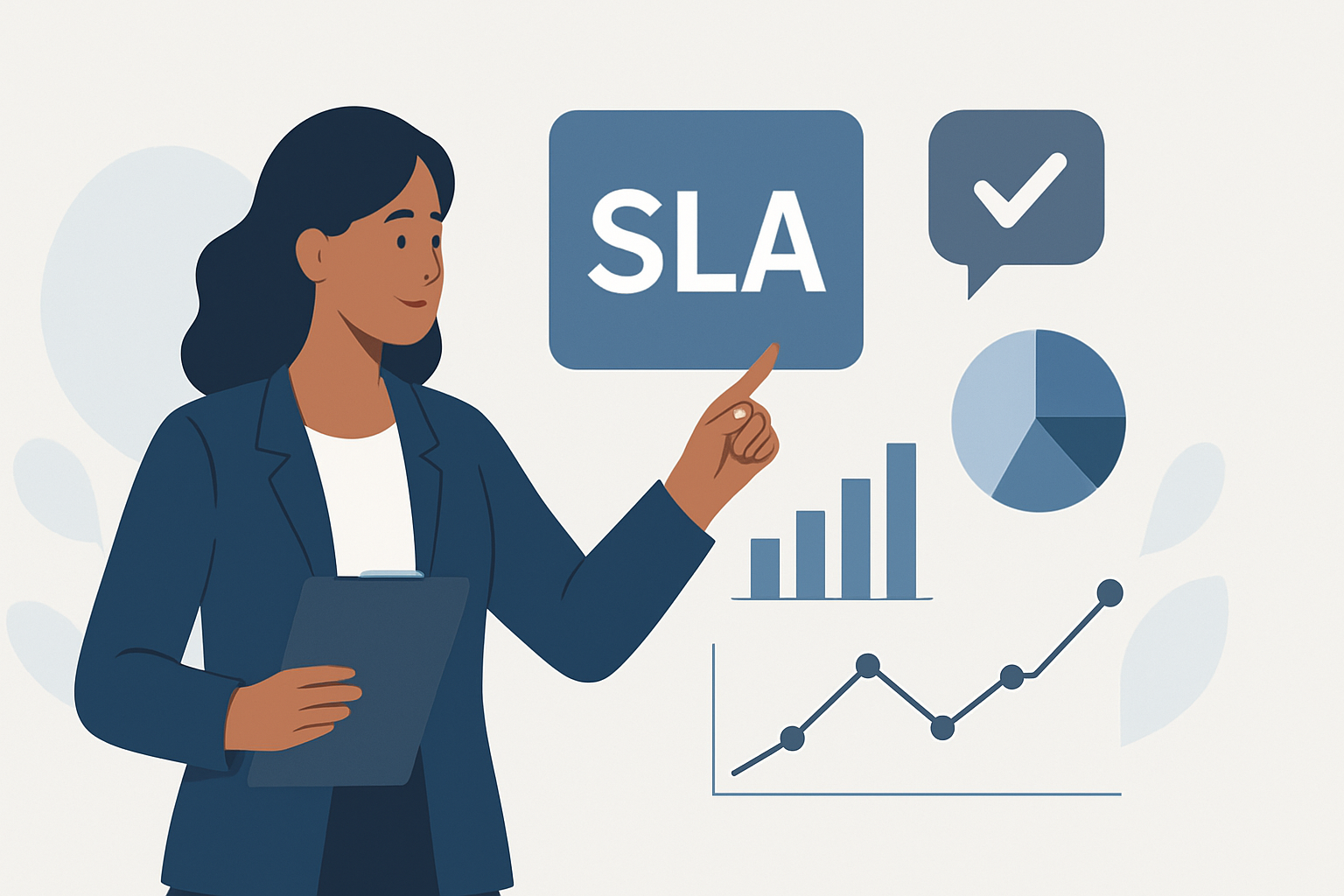
Understanding SLA: A Comprehensive Guide for Effective Support Metrics
Service Level Agreements (SLAs) are essential components of effective customer support and service management. They define the expected level of service between service providers and clients, ensuring that both parties have clear expectations. In this comprehensive guide, we will delve into the intricacies of SLAs, their importance, key components, and how to effectively implement them in your organization.
What is an SLA?
A Service Level Agreement (SLA) is a formal document that outlines the specific services a provider will deliver, the expected performance level, and the metrics used to measure that performance. SLAs are crucial in establishing a mutual understanding of service expectations and responsibilities between customers and service providers.
The Importance of SLAs
SLAs play a vital role in various aspects of business operations:
- Expectation Management: They set clear expectations for both the service provider and the client.
- Performance Measurement: SLAs provide a framework for measuring the performance of services.
- Accountability: They hold service providers accountable for their performance and establish consequences for failing to meet agreed-upon standards.
- Continuous Improvement: SLAs encourage ongoing evaluation and improvement of services.
Key Components of an SLA
To create an effective SLA, it is essential to include the following components:
- Service Description: A detailed description of the services provided.
- Performance Metrics: Specific metrics used to measure service performance, such as response time, resolution time, and uptime.
- Responsibilities: Clearly defined responsibilities of both the service provider and the client.
- Reporting and Review: Procedures for reporting performance and regular review of the SLA to ensure it remains relevant.
- Penalties and Remedies: Consequences for failing to meet SLA standards, including potential remedies for clients.
Steps to Implement an SLA
Implementing an SLA involves several key steps:
- Identify Stakeholders: Involve relevant stakeholders from both the service provider and the client sides to gather input and ensure alignment.
- Define Service Levels: Establish clear and measurable service levels that reflect the needs and expectations of both parties.
- Document the SLA: Create a formal document that includes all the key components discussed above.
- Obtain Agreement: Ensure that all parties review and agree to the terms of the SLA before implementation.
- Monitor and Review: Continuously monitor performance against the SLA and conduct regular reviews to make necessary adjustments.
Common Challenges with SLAs
While SLAs are beneficial, they can also present challenges:
- Overly Complex Language: SLAs should be clear and understandable to all stakeholders.
- Unrealistic Expectations: Setting unattainable service levels can lead to frustration and dissatisfaction.
- Lack of Flexibility: SLAs should be adaptable to changing business needs and environments.
Conclusion
Understanding and implementing effective SLAs is crucial for any organization that provides services. By clearly defining expectations, responsibilities, and metrics, businesses can enhance their customer satisfaction and improve service delivery. Regular monitoring and review of SLAs ensure that they remain relevant and effective, fostering a culture of accountability and continuous improvement.
For more information on SLAs and best practices, feel free to explore additional resources or consult with a service management professional.
Este artigo faz parte do nosso blog. Veja-o na lista e descubra mais.
Ver todos os artigosSimplifique o seu apoio ao cliente. Organize tickets, responda mais rápido e mantenha a equipa alinhada.
Agendar Demonstração