Understanding SLA: A Comprehensive Guide to Service Level Agreements
Understanding SLA: A Comprehensive Guide to Service Level Agreements
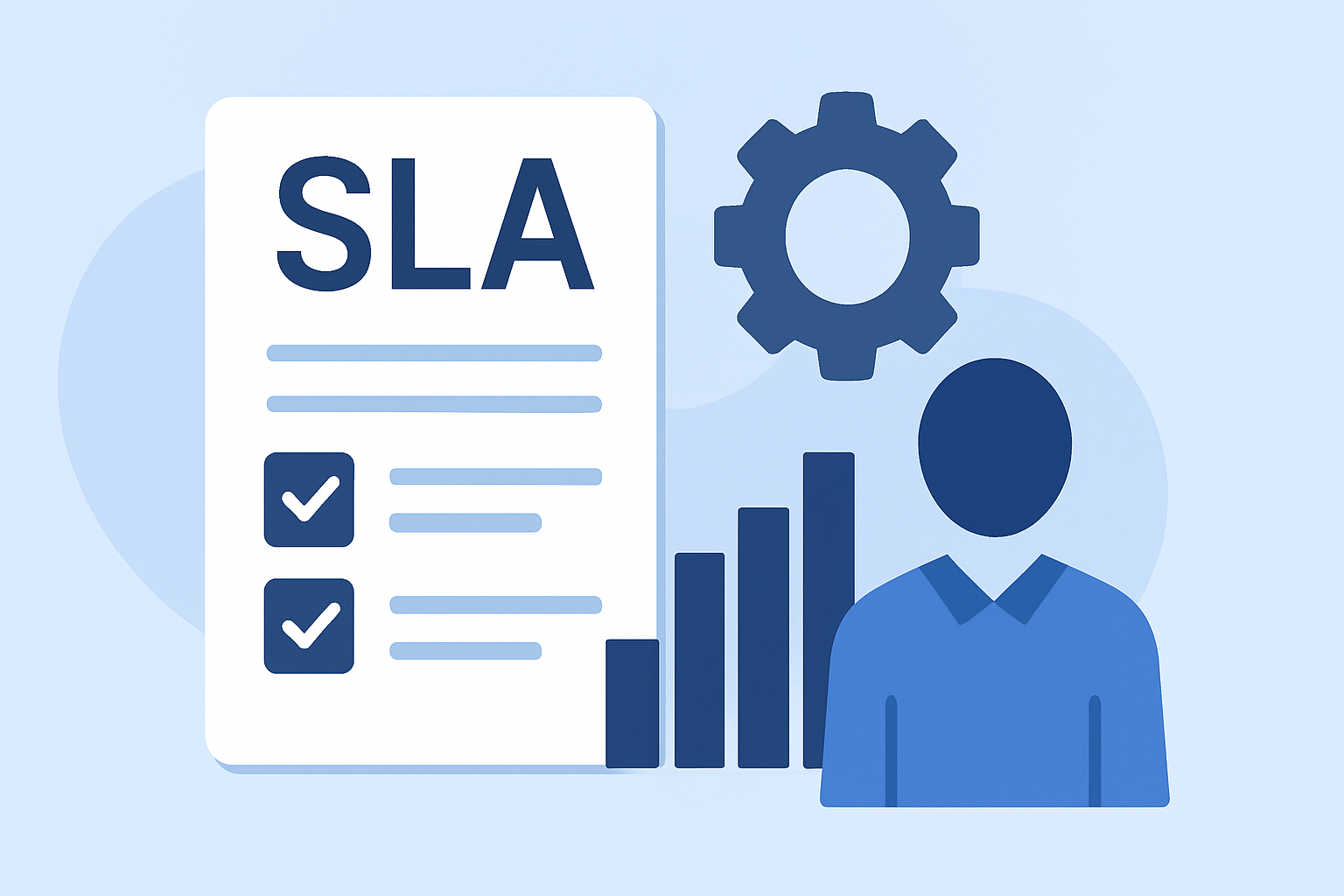
In today's fast-paced business environment, ensuring that services meet specific performance standards is crucial for success. This is where Service Level Agreements (SLAs) come into play. SLAs are formal agreements between service providers and their clients that outline the expected level of service. This article aims to provide a comprehensive understanding of SLAs, their components, and their importance in business relationships.
What is a Service Level Agreement (SLA)?
A Service Level Agreement (SLA) is a written contract that defines the level of service expected from a service provider. It outlines the metrics by which that service is measured, as well as the remedies or penalties if the agreed-upon service levels are not achieved. SLAs are commonly used in various industries, including IT, telecommunications, and customer service.
Key Components of an SLA
An effective SLA typically includes several key components:
- Service Description: A clear description of the services provided, including any relevant details that help define the scope of the agreement.
- Performance Metrics: Specific metrics used to measure service performance, such as uptime, response time, and resolution time.
- Responsibilities: Clearly defined responsibilities for both the service provider and the client to ensure accountability.
- Monitoring and Reporting: How the service performance will be monitored and reported, including the frequency of reports.
- Penalties and Remedies: Consequences for failing to meet the agreed-upon service levels, including credits, refunds, or other compensations.
- Review and Change Procedures: Processes for reviewing and updating the SLA as necessary to accommodate changing business needs.
Types of SLAs
SLAs can be categorized into three main types:
- Customer-based SLA: This type of SLA is focused on the services provided to a specific customer or group of customers. It addresses the unique needs and requirements of that client.
- Service-based SLA: A service-based SLA is applicable to all customers using a particular service. It standardizes service levels across a wide customer base.
- Multi-level SLA: This type combines both customer-based and service-based SLAs. It typically includes multiple levels of service agreements for different customer segments or service tiers.
The Importance of SLAs
SLAs play a vital role in establishing clear expectations and accountability in service relationships. Here are some reasons why SLAs are important:
- Clarity: They provide clarity on service expectations, helping to avoid misunderstandings and miscommunications.
- Accountability: SLAs hold service providers accountable for their performance, ensuring they meet the agreed-upon standards.
- Performance Measurement: They offer a framework for measuring service performance, enabling both parties to assess how well the service is being delivered.
- Trust Building: By clearly defining expectations, SLAs help build trust between service providers and clients, fostering a stronger business relationship.
Best Practices for Creating Effective SLAs
To create an effective SLA, consider the following best practices:
- Involve Stakeholders: Engage all relevant stakeholders in the SLA development process to ensure that all perspectives and needs are considered.
- Be Specific: Use clear and specific language to avoid ambiguity and ensure that all parties understand the terms of the agreement.
- Regular Reviews: Schedule regular reviews of the SLA to ensure it remains relevant and aligned with changing business needs.
- Focus on Measurable Metrics: Define metrics that are measurable and achievable to ensure effective monitoring and reporting.
Conclusion
Service Level Agreements are essential tools for managing service relationships and ensuring that both parties have a clear understanding of expectations. By defining service levels, responsibilities, and consequences, SLAs help foster trust and accountability in business partnerships. Whether you are a service provider or a client, understanding SLAs is crucial for achieving success in today's competitive marketplace.
Este artigo faz parte do nosso blog. Veja-o na lista e descubra mais.
Ver todos os artigosSimplifique o seu apoio ao cliente. Organize tickets, responda mais rápido e mantenha a equipa alinhada.
Agendar Demonstração