Understanding SLA: A Comprehensive Guide to Service Level Agreements in Support
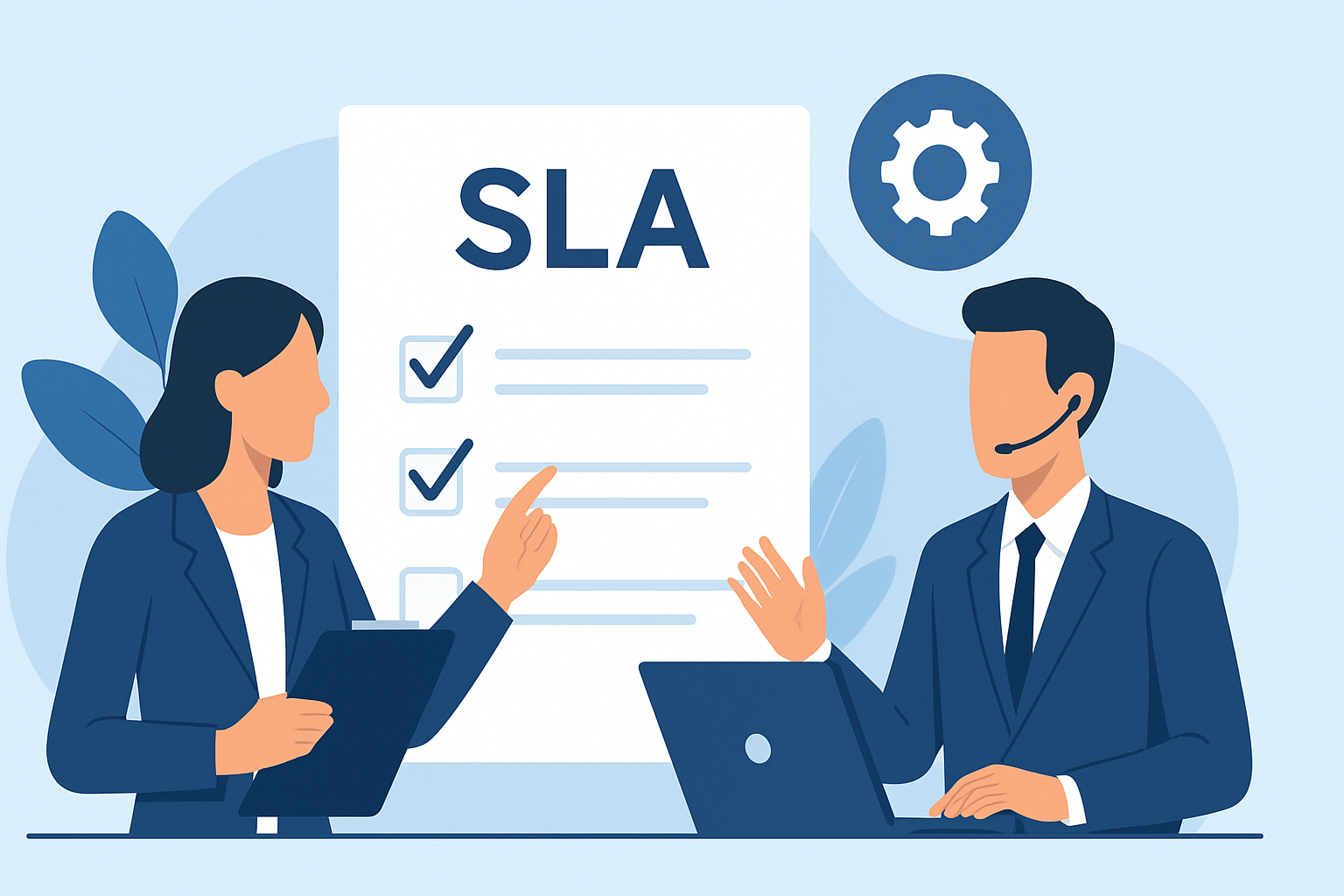
Understanding SLA: A Comprehensive Guide to Service Level Agreements in Support
In today's fast-paced digital environment, organizations rely heavily on service providers to deliver essential services that keep their operations running smoothly. One crucial aspect of this relationship is the Service Level Agreement (SLA). This article aims to provide a comprehensive understanding of SLAs, their importance, and how they function in the context of support services.
What is an SLA?
A Service Level Agreement (SLA) is a formal document that outlines the expected level of service between a service provider and a customer. It serves as a contract that defines specific metrics regarding service delivery, performance, and responsibilities. SLAs are commonly used in IT services, telecommunications, and other service-oriented industries.
Importance of SLAs
SLAs play a vital role in ensuring that both parties have a clear understanding of their expectations and responsibilities. Here are some key reasons why SLAs are important:
- Clarity: SLAs provide clear definitions of service expectations, which helps to avoid misunderstandings between the service provider and the customer.
- Accountability: They establish accountability by outlining the responsibilities of both parties, ensuring that service providers meet their commitments.
- Performance Measurement: SLAs include performance metrics that allow customers to measure the service provider's performance over time.
- Continuous Improvement: They foster a culture of continuous improvement by encouraging service providers to enhance their offerings based on feedback and performance data.
Key Components of an SLA
A well-structured SLA typically includes several key components:
- Service Description: A detailed description of the services being provided.
- Performance Metrics: Specific metrics to measure service performance, such as uptime, response time, and resolution time.
- Responsibilities: Clearly defined responsibilities for both the service provider and the customer.
- Reporting and Review: Procedures for reporting performance and conducting regular reviews of the SLA.
- Compensation: Terms outlining any penalties or compensations if the service provider fails to meet the agreed-upon service levels.
Types of SLAs
SLAs can be categorized into different types based on their focus and scope:
- Customer-specific SLAs: Tailored agreements for individual customers that reflect their unique needs and requirements.
- Internal SLAs: Agreements within an organization that define service levels between different departments.
- Multi-level SLAs: Agreements that provide different service levels for different customer segments or services.
Best Practices for Creating an SLA
When creating an SLA, it’s essential to follow best practices to ensure its effectiveness:
- Involve Stakeholders: Engage all relevant stakeholders in the SLA development process to ensure that all perspectives are considered.
- Be Specific: Clearly define metrics and expectations to avoid ambiguity.
- Review Regularly: Regularly review and update the SLA to reflect changes in business needs or service capabilities.
- Ensure Accessibility: Make the SLA easily accessible to all stakeholders involved in the service delivery.
Conclusion
Service Level Agreements (SLAs) are essential tools for managing service delivery and ensuring that both service providers and customers have a clear understanding of their roles and responsibilities. By establishing clear expectations and performance metrics, SLAs can enhance accountability, improve service quality, and foster a collaborative relationship between service providers and their clients. As organizations continue to evolve, the effective use of SLAs will remain a critical component in achieving successful service delivery.
Este artigo faz parte do nosso blog. Veja-o na lista e descubra mais.
Ver todos os artigosSimplifique o seu apoio ao cliente. Organize tickets, responda mais rápido e mantenha a equipa alinhada.
Agendar Demonstração