Understanding SLA: A Key Component of Customer Support Success
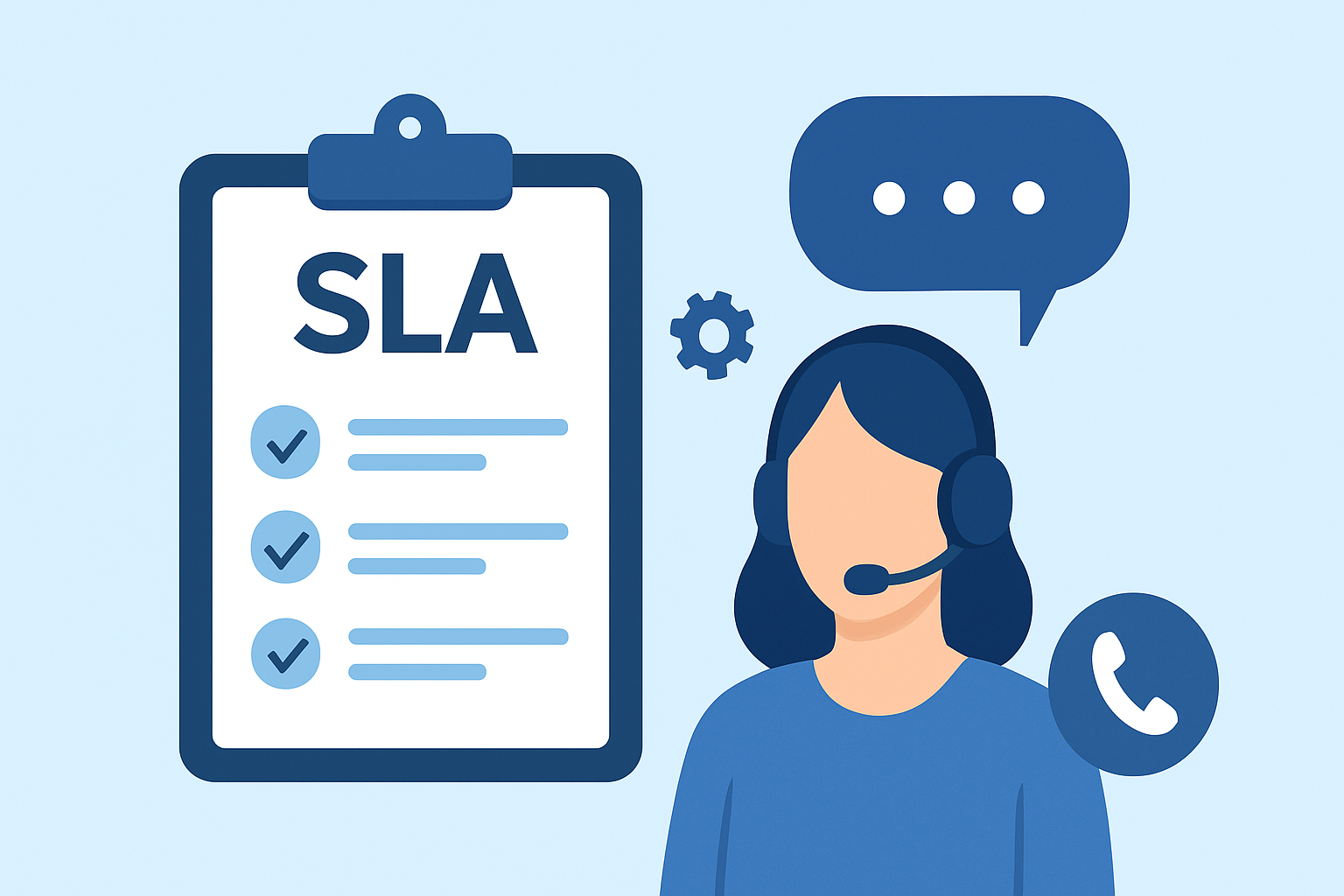
Understanding SLA: A Key Component of Customer Support Success
In the fast-paced world of customer service, establishing clear expectations is crucial for both businesses and their clients. One essential tool in achieving this clarity is the Service Level Agreement (SLA). This article will explore what an SLA is, its importance, and how it can drive customer support success.
What is an SLA?
A Service Level Agreement (SLA) is a formal document that outlines the expected level of service between a service provider and a customer. It defines specific metrics that will be used to measure the service provider's performance, including response times, resolution times, and overall service quality. SLAs can vary widely depending on the nature of the service provided and the needs of the customer.
Importance of SLAs in Customer Support
SLAs play a critical role in customer support for several reasons:
- Expectation Management: SLAs set clear expectations for both parties, reducing misunderstandings and enhancing customer satisfaction.
- Performance Measurement: They provide a benchmark for evaluating the performance of the service provider, allowing for accountability and continuous improvement.
- Priority Setting: SLAs help prioritize support requests based on urgency and importance, ensuring that critical issues are addressed promptly.
- Trust Building: By committing to specific service levels, businesses can build trust with their customers, leading to stronger relationships and loyalty.
Key Components of an SLA
To be effective, an SLA should include several key components:
- Service Description: A detailed description of the services provided, including any limitations or exclusions.
- Performance Metrics: Specific metrics for measuring service performance, such as response times, resolution times, and customer satisfaction scores.
- Responsibilities: Clear delineation of the responsibilities of both the service provider and the customer.
- Reporting and Monitoring: Procedures for monitoring performance and reporting on SLA compliance, including regular review meetings.
- Penalties and Remedies: Consequences for failing to meet the agreed-upon service levels, which may include service credits or refunds.
Implementing an SLA
Creating and implementing an SLA involves several steps:
- Identify Needs: Assess the needs of your customers and determine the key service levels that will meet those needs.
- Define Metrics: Establish measurable performance metrics that align with customer expectations.
- Draft the Agreement: Write the SLA, ensuring that it is clear, comprehensive, and mutually agreed upon by both parties.
- Review and Revise: Regularly review the SLA to ensure it remains relevant and make adjustments as necessary based on feedback and changing circumstances.
Conclusion
In conclusion, a well-defined SLA is a vital component of customer support success. It sets the groundwork for effective communication, accountability, and trust between service providers and customers. By understanding and implementing SLAs, businesses can enhance their customer service operations and foster long-lasting relationships with their clients.
Este artigo faz parte do nosso blog. Veja-o na lista e descubra mais.
Ver todos os artigosSimplifique o seu apoio ao cliente. Organize tickets, responda mais rápido e mantenha a equipa alinhada.
Agendar Demonstração