Understanding SLA: A Key Component of Effective Support Metrics
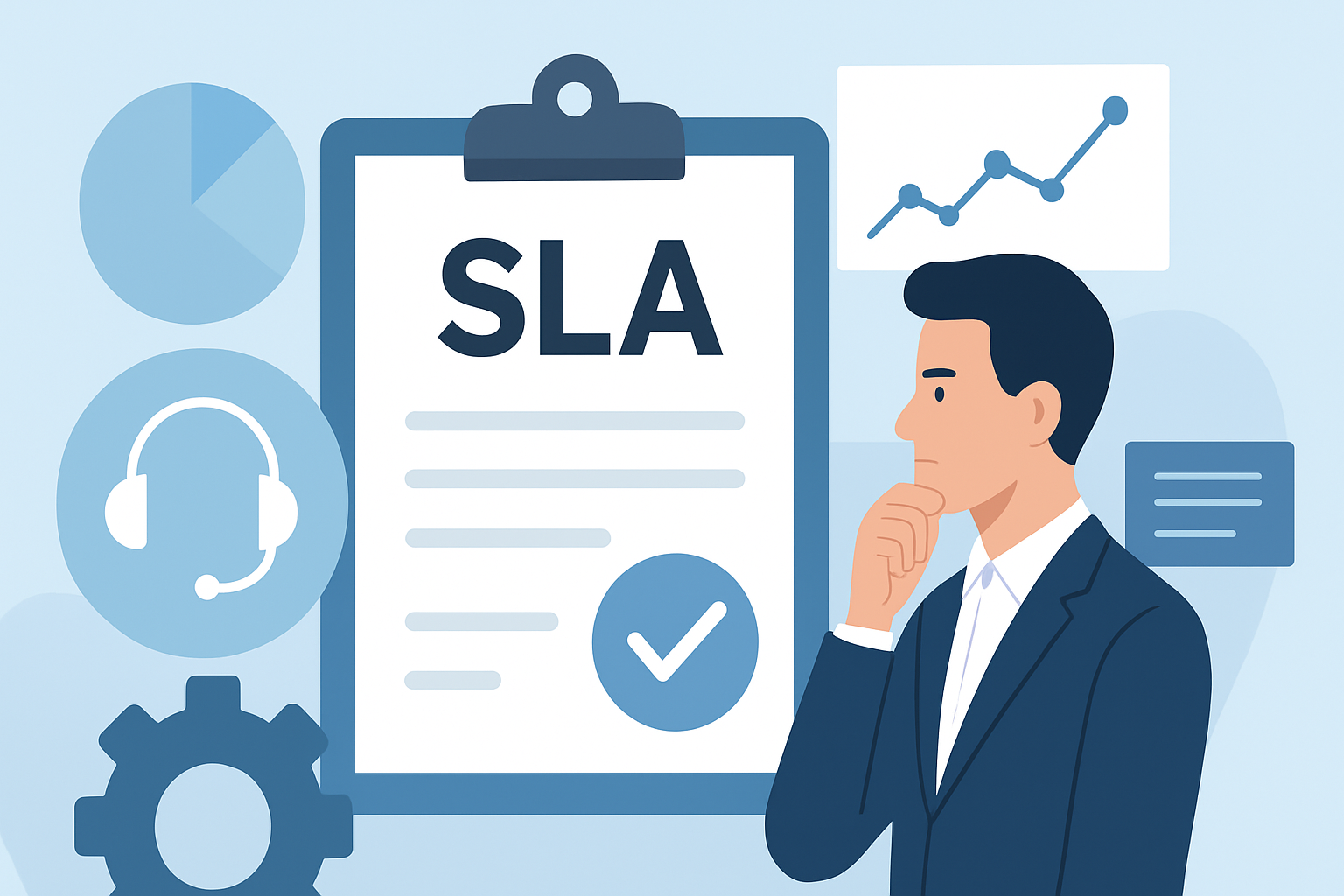
Understanding SLA: A Key Component of Effective Support Metrics
Service Level Agreements (SLAs) are critical components in the realm of customer support and service delivery. They define the expectations between service providers and clients, establishing clear metrics for performance and accountability. In this article, we will explore the importance of SLAs, how they function, and why they are essential for effective support metrics.
What is an SLA?
An SLA is a formal document that outlines the expected level of service between a provider and a customer. It includes specific metrics that are used to measure the quality of service, such as response times, resolution times, and availability. By clearly defining these metrics, both parties can have aligned expectations and a common understanding of what constitutes satisfactory service.
The Importance of SLAs
SLAs play a vital role in customer satisfaction and service delivery. Here are several reasons why they are important:
- Clarity and Transparency: SLAs provide a clear framework for what clients can expect from service providers. This transparency helps build trust and reduces misunderstandings.
- Performance Measurement: SLAs establish specific metrics that can be measured and reported on. This allows organizations to monitor performance and identify areas for improvement.
- Accountability: By defining responsibilities and expectations, SLAs hold both parties accountable. If service levels are not met, clients can seek remedies as outlined in the agreement.
- Continuous Improvement: Regularly reviewing SLA performance encourages organizations to continually enhance their service delivery processes.
Key Components of an SLA
While SLAs can vary widely depending on the services provided, several key components are typically included:
- Service Description: A detailed description of the services covered by the SLA.
- Performance Metrics: Specific metrics that will be used to measure service performance, such as response time, resolution time, and uptime.
- Reporting and Review: Guidelines on how performance will be reported and how often reviews will take place.
- Remedies and Penalties: Outlines what happens if service levels are not met, including potential penalties or credits for the customer.
- Duration and Termination: The length of the SLA and the conditions under which it can be terminated or renewed.
Best Practices for Implementing SLAs
To ensure that SLAs are effective and beneficial for both parties, consider the following best practices:
- Involve Stakeholders: Engage both providers and customers in the SLA development process to ensure that all needs and expectations are considered.
- Be Realistic: Set achievable and realistic service levels that can be consistently met to avoid frustrations and breaches.
- Regularly Review and Update: Periodically review SLAs to ensure they remain relevant and reflect any changes in service delivery or business needs.
- Communicate Clearly: Ensure that all stakeholders understand the SLA, including its terms, metrics, and implications.
Conclusion
In conclusion, SLAs are a vital component of effective support metrics. They provide clarity, accountability, and a framework for measuring performance, ultimately leading to improved customer satisfaction and service delivery. By understanding and implementing SLAs effectively, organizations can ensure that they are meeting their clients' needs while also striving for continuous improvement.
Este artigo faz parte do nosso blog. Veja-o na lista e descubra mais.
Ver todos os artigosSimplifique o seu apoio ao cliente. Organize tickets, responda mais rápido e mantenha a equipa alinhada.
Agendar Demonstração