Understanding SLA: A Key to Improving Support Metrics
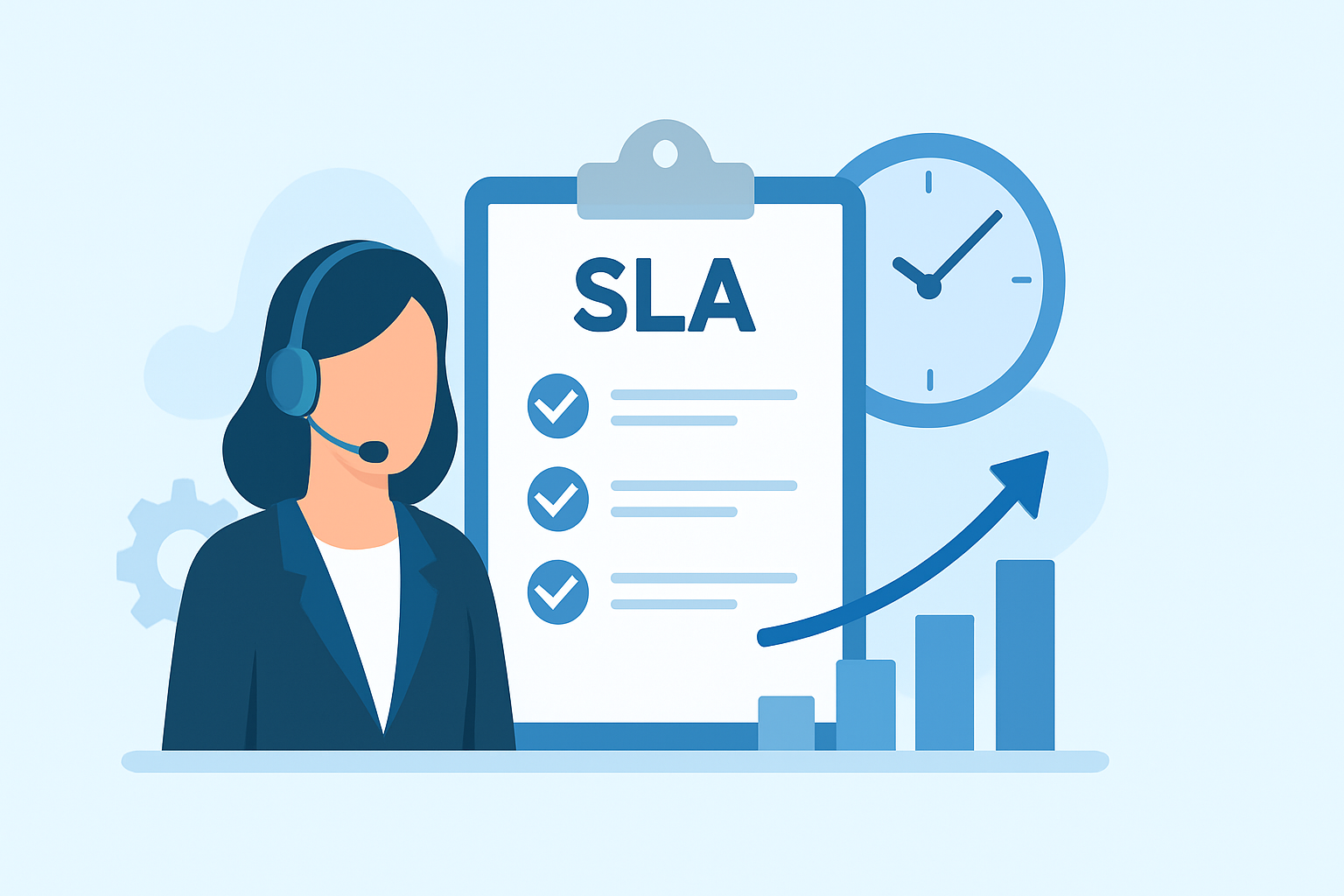
Understanding SLA: A Key to Improving Support Metrics
Service Level Agreements (SLAs) are crucial components in the landscape of customer support and service management. They outline the expectations between service providers and their clients, ensuring that both parties are aligned on what constitutes acceptable service delivery. In this article, we will explore what SLAs are, their importance, and how they can be effectively utilized to improve support metrics.
What is an SLA?
An SLA is a formal agreement that defines the level of service expected from a service provider. It includes specific metrics for measuring performance, such as response times, resolution times, and availability. SLAs serve as a benchmark for evaluating the quality of service delivered and are essential for managing customer expectations.
Why Are SLAs Important?
- Clear Expectations: SLAs provide a clear framework for what customers can expect from support services, reducing uncertainty.
- Performance Measurement: They establish measurable criteria that help organizations assess their performance and identify areas for improvement.
- Accountability: SLAs hold service providers accountable for their performance, fostering a culture of responsibility.
- Customer Satisfaction: By meeting or exceeding SLA commitments, organizations can enhance customer satisfaction and loyalty.
Key Components of an SLA
Effective SLAs should encompass several key components to ensure they are comprehensive and actionable:
- Service Description: A detailed outline of the services being provided.
- Performance Metrics: Specific metrics that will be used to measure service performance, including response and resolution times.
- Reporting and Monitoring: Procedures for tracking performance against the SLA and reporting results to stakeholders.
- Penalties and Remedies: Clearly defined consequences for failing to meet SLA commitments, which can include service credits or other compensations.
How to Improve Support Metrics with SLAs
To leverage SLAs for improving support metrics, organizations should consider the following strategies:
- Set Realistic and Achievable Goals: Ensure that the metrics outlined in the SLA are attainable and reflect the organization’s capabilities.
- Regularly Review and Update SLAs: Periodically assess SLA performance and make adjustments as necessary to ensure they remain relevant and effective.
- Invest in Training: Equip support staff with the necessary training and resources to meet SLA commitments effectively.
- Utilize Technology: Implement tools and software that enable better tracking of performance metrics and facilitate communication with customers.
Conclusion
Understanding and implementing effective SLAs is essential for organizations seeking to improve their support metrics. By establishing clear expectations, measuring performance, and fostering accountability, SLAs can significantly enhance customer satisfaction and service quality. As businesses continue to evolve, adapting SLAs to changing needs and expectations will be key to maintaining a competitive edge in customer support.
Este artigo faz parte do nosso blog. Veja-o na lista e descubra mais.
Ver todos os artigosSimplifique o seu apoio ao cliente. Organize tickets, responda mais rápido e mantenha a equipa alinhada.
Agendar Demonstração