Understanding SLA: How It Impacts Customer Support Success
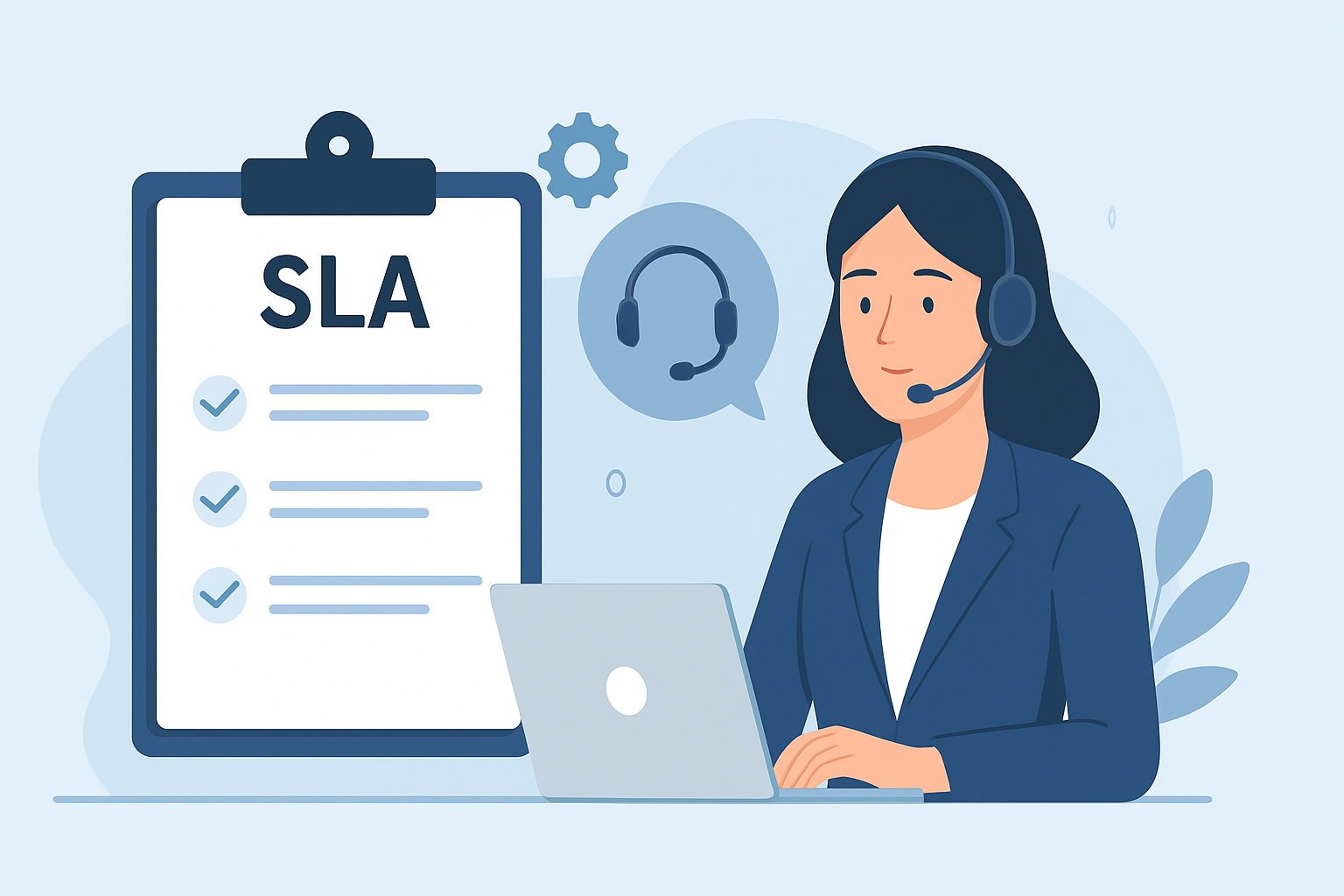
Understanding SLA: How It Impacts Customer Support Success
In today's competitive business environment, providing exceptional customer support is crucial for success. One of the key components that can significantly impact the effectiveness of customer support is the Service Level Agreement (SLA). This article will explore what an SLA is, its importance, and how it affects customer support success.
What is an SLA?
A Service Level Agreement (SLA) is a formal document that outlines the expected level of service between a service provider and a customer. It defines specific metrics, responsibilities, and expectations regarding the quality and timeliness of service delivery. SLAs are commonly used in various industries, including IT, telecommunications, and customer support.
The Components of an SLA
An effective SLA typically includes the following components:
- Service Description: A detailed description of the services provided.
- Performance Metrics: Specific criteria used to measure the quality of service, such as response time, resolution time, and availability.
- Responsibilities: Clear delineation of responsibilities for both the service provider and the customer.
- Reporting and Monitoring: Processes for tracking performance and reporting on SLA compliance.
- Penalties and Remedies: Consequences for failing to meet the agreed-upon service levels.
Why SLAs Matter in Customer Support
SLAs play a vital role in customer support for several reasons:
1. Establish Clear Expectations
SLAs help set clear expectations for both customers and service teams. By defining specific service levels, customers know what to expect regarding response times and issue resolution, leading to higher satisfaction.
2. Enhance Accountability
With an SLA in place, teams are held accountable for their performance. This accountability can motivate support staff to meet or exceed the service levels outlined in the agreement.
3. Improve Resource Allocation
SLAs provide insights into service demand and performance, allowing organizations to allocate resources effectively. This can lead to improved response times and overall service quality.
4. Foster Continuous Improvement
Regular monitoring of SLA performance can identify areas for improvement. Organizations can use this data to refine their processes, provide additional training, or implement new technologies to enhance service delivery.
How to Implement an Effective SLA
To create an effective SLA that positively impacts customer support success, consider the following steps:
- Identify Customer Needs: Understand what your customers value most in terms of service quality and response times.
- Define Clear Metrics: Establish measurable performance metrics that align with customer expectations.
- Engage Stakeholders: Involve all relevant stakeholders, including support teams and management, in the SLA development process.
- Regularly Review and Update: SLAs should be living documents. Regular reviews ensure they remain relevant and effective as business needs evolve.
Conclusion
Service Level Agreements are essential tools for enhancing customer support success. By setting clear expectations, enhancing accountability, and providing a framework for continuous improvement, SLAs can significantly improve both customer satisfaction and operational efficiency. Organizations that invest time and effort into developing effective SLAs are likely to see a positive impact on their customer support outcomes.
Este artigo faz parte do nosso blog. Veja-o na lista e descubra mais.
Ver todos os artigosSimplifique o seu apoio ao cliente. Organize tickets, responda mais rápido e mantenha a equipa alinhada.
Agendar Demonstração