Understanding SLA: How Support Metrics Impact Customer Satisfaction
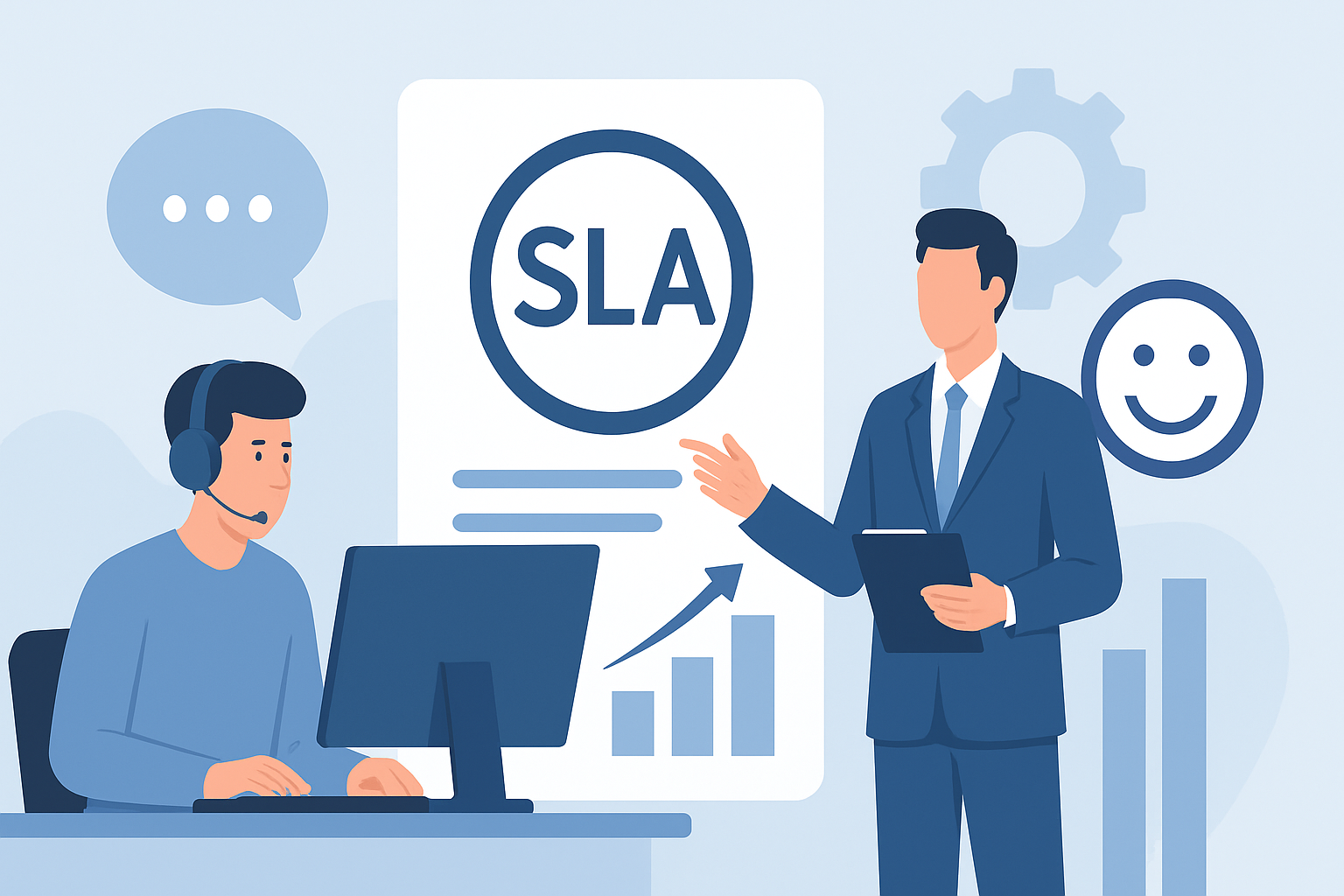
Understanding SLA: How Support Metrics Impact Customer Satisfaction
Service Level Agreements (SLAs) are crucial components in the realm of customer service and support. They outline the expected level of service between a company and its customers, defining the metrics by which service is measured. Understanding SLAs and their impact on support metrics can significantly enhance customer satisfaction and loyalty.
What is an SLA?
An SLA is a formal document that establishes a mutual understanding of services, priorities, and responsibilities between a service provider and a customer. It includes specific metrics that are used to gauge the quality of service delivered. These metrics often cover response times, resolution times, and availability of support, among others.
Key Metrics in SLAs
Several critical metrics are commonly included in SLAs, each playing a vital role in measuring customer satisfaction:
- Response Time: The time taken for support to acknowledge a customer’s request. A quick response time can enhance customer satisfaction.
- Resolution Time: The time taken to resolve a customer’s issue. Faster resolution times typically lead to higher satisfaction levels.
- Uptime: The percentage of time that a service is operational. High uptime is crucial for maintaining customer trust.
- First Contact Resolution (FCR): The percentage of issues resolved on the first interaction. Higher FCR rates often correlate with happier customers.
- Customer Satisfaction Score (CSAT): A direct measure of customer satisfaction based on feedback. Regularly monitoring CSAT can provide insights into service effectiveness.
How SLAs Impact Customer Satisfaction
The relationship between SLAs and customer satisfaction is profound. Here are several ways in which SLAs affect customer perceptions and experiences:
1. Building Trust
Clearly defined SLAs help in building trust between the service provider and the customer. When customers know what to expect, they are more likely to feel secure in their choice of service provider.
2. Setting Expectations
SLAs set clear expectations regarding service delivery. When customers understand the timelines and processes involved, they are less likely to feel frustrated or disappointed.
3. Accountability
SLAs hold service providers accountable for their performance. If a company fails to meet the agreed-upon metrics, it can lead to penalties, refunds, or other compensatory measures, thereby encouraging better service quality.
4. Continuous Improvement
Monitoring SLA metrics allows companies to identify areas for improvement. By analyzing performance data, businesses can refine their processes, enhance training, and ultimately improve customer satisfaction.
Best Practices for Managing SLAs
To maximize the benefits of SLAs and improve customer satisfaction, companies should consider the following best practices:
- Regularly Review SLAs: Periodically assess and update SLAs to ensure they reflect current customer needs and business goals.
- Communicate Clearly: Ensure that customers are aware of the SLAs in place and what they entail.
- Train Support Teams: Equip support staff with the necessary tools and training to meet SLA metrics consistently.
- Gather Feedback: Solicit customer feedback regularly to understand their perception of service quality and adjust SLAs accordingly.
Conclusion
Understanding SLAs and the metrics that underpin them is essential for any business that aims to provide excellent customer support. By focusing on key performance indicators and continuously improving service delivery, companies can enhance customer satisfaction, build loyalty, and establish a strong competitive advantage in their industry.
Este artigo faz parte do nosso blog. Veja-o na lista e descubra mais.
Ver todos os artigosSimplifique o seu apoio ao cliente. Organize tickets, responda mais rápido e mantenha a equipa alinhada.
Agendar Demonstração