Understanding SLA: How to Measure and Improve Support Metrics
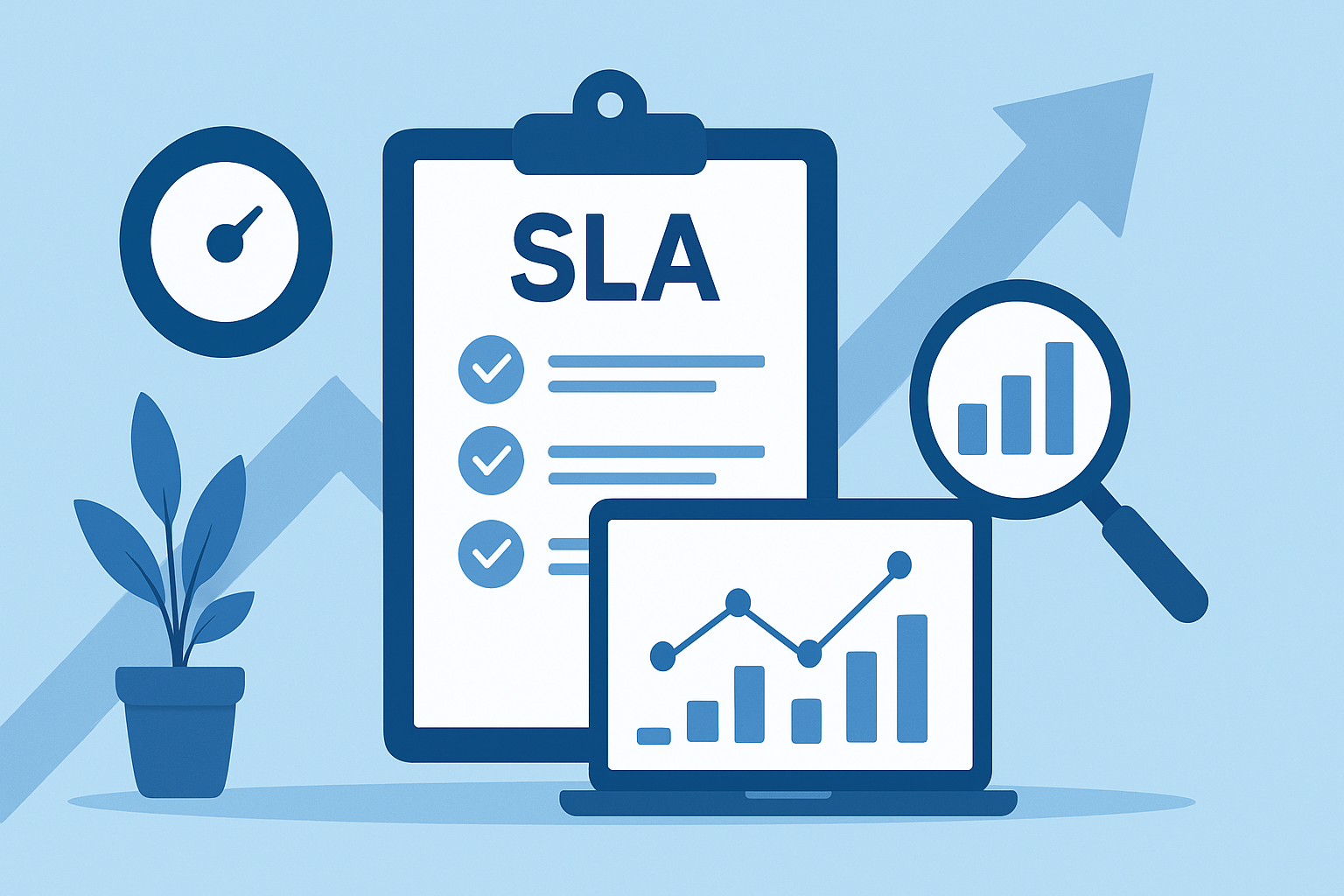
Understanding SLA: How to Measure and Improve Support Metrics
In today's fast-paced digital environment, the importance of Service Level Agreements (SLAs) cannot be overstated. SLAs set the expectations for service delivery and define the metrics by which support performance is measured. Understanding and effectively managing SLAs can lead to improved customer satisfaction and operational efficiency.
What is an SLA?
A Service Level Agreement (SLA) is a formal contract between a service provider and a customer that outlines the expected level of service. It typically includes specific metrics, such as response times, resolution times, and availability, which help to quantify the service performance.
Key Components of an SLA
- Service Description: A clear description of the services provided.
- Performance Metrics: Specific criteria for measuring performance, such as response time and resolution time.
- Customer Responsibilities: Expectations from the customer to ensure smooth service delivery.
- Reporting and Review: How and when performance will be reported and reviewed.
- Penalties and Remedies: Consequences for failing to meet SLA standards.
How to Measure SLA Performance
Measuring SLA performance is crucial for understanding how well a service provider is meeting its commitments. Here are some key metrics to consider:
1. Response Time
This metric measures how quickly a support team responds to a customer's request. A shorter response time often leads to higher customer satisfaction.
2. Resolution Time
Resolution time tracks how long it takes to resolve an issue once it has been reported. This metric is critical for assessing the efficiency of the support team.
3. First Contact Resolution Rate
This metric indicates the percentage of issues resolved on the first interaction. Higher rates suggest effective support processes.
4. Customer Satisfaction Score (CSAT)
Gathering feedback from customers regarding their satisfaction with the support they received can provide valuable insights into service quality.
Improving SLA Metrics
Enhancing SLA performance is an ongoing process that requires a proactive approach. Here are several strategies to improve support metrics:
1. Invest in Training
Regular training programs for support staff can equip them with the necessary skills and knowledge to address customer queries more effectively.
2. Leverage Technology
Utilizing support software and tools can streamline processes, automate responses, and provide better tracking of support requests.
3. Monitor Performance Regularly
Consistent monitoring of SLA metrics allows for timely identification of issues and areas for improvement.
4. Gather Customer Feedback
Actively seeking customer feedback can help identify pain points and opportunities for enhancement in the support process.
Conclusion
Understanding and effectively managing SLAs is essential for any organization that aims to provide high-quality support services. By measuring key metrics and continuously striving for improvement, businesses can enhance customer satisfaction and operational performance. Embrace the challenge of optimizing your SLAs, and watch your support metrics soar.
Este artigo faz parte do nosso blog. Veja-o na lista e descubra mais.
Ver todos os artigosSimplifique o seu apoio ao cliente. Organize tickets, responda mais rápido e mantenha a equipa alinhada.
Agendar Demonstração