Understanding SLA: How to Measure Support Metrics Effectively
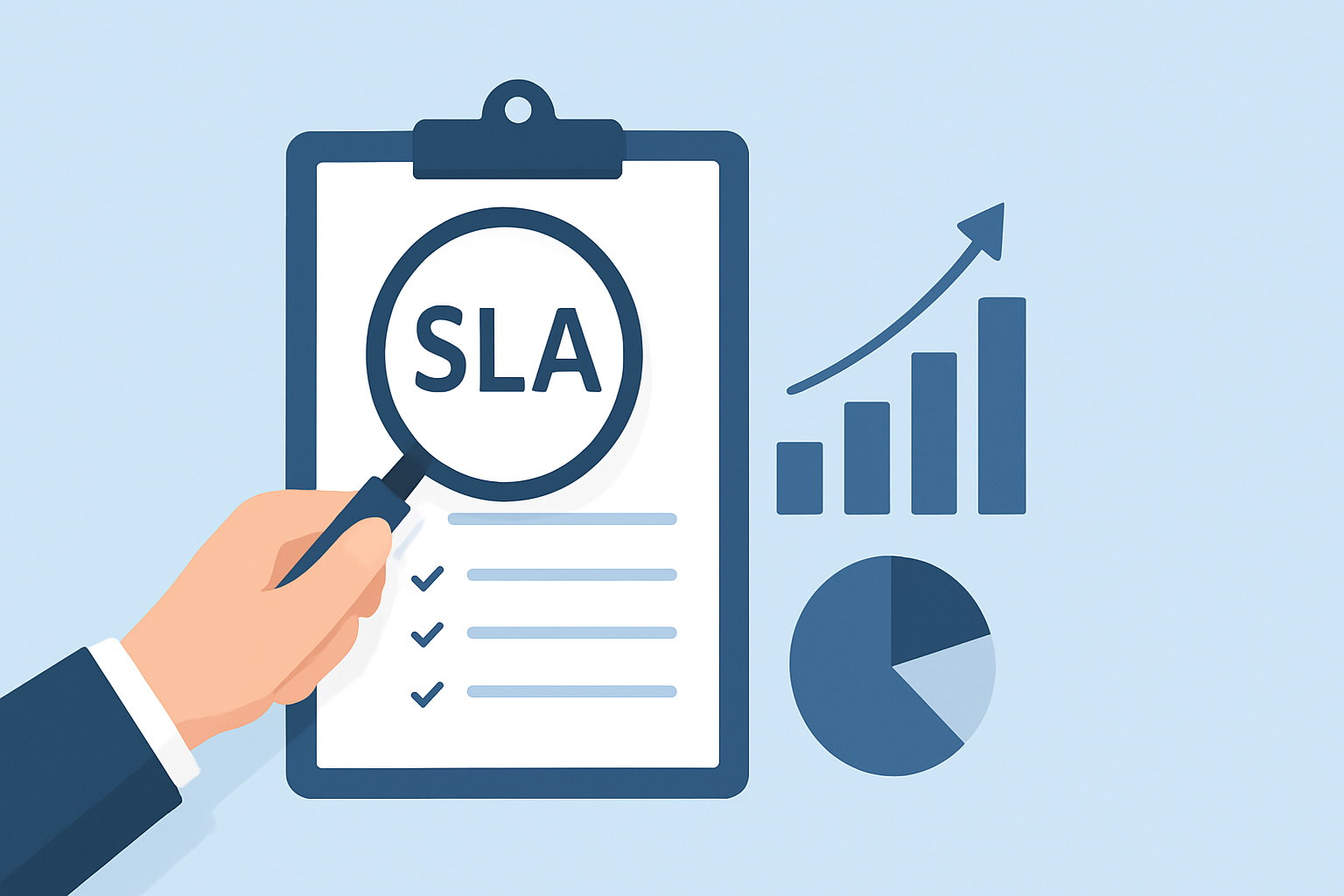
Understanding SLA: How to Measure Support Metrics Effectively
Service Level Agreements (SLAs) are critical components in the relationship between service providers and their clients. They define the expected level of service, ensuring that both parties have a clear understanding of performance metrics. In this article, we will explore the significance of SLAs, the key metrics to measure, and effective strategies for monitoring them.
What is an SLA?
An SLA is a formal document that outlines the expected service levels between a provider and a customer. It serves as a contract that specifies the quality, availability, and responsibilities of the service provider. SLAs are commonly used in IT services, telecommunications, and customer support sectors.
Importance of SLAs
- Clarity and Expectations: SLAs clarify what clients can expect from their service providers, reducing misunderstandings.
- Performance Measurement: They provide a framework for measuring the performance of services, helping to identify areas for improvement.
- Accountability: SLAs hold service providers accountable for their performance, ensuring that they meet the agreed-upon standards.
Key Support Metrics to Measure
To effectively monitor SLAs, it is essential to focus on several key metrics:
- Response Time: The time taken for a support team to respond to a customer inquiry. This metric is crucial for understanding how quickly issues are acknowledged.
- Resolution Time: The total time taken to resolve a customer issue. This reflects the efficiency of the support team.
- First Contact Resolution Rate (FCR): The percentage of issues resolved on the first contact. A high FCR indicates effective problem-solving.
- Customer Satisfaction Score (CSAT): A measure of customer satisfaction with the support experience, often gathered through surveys.
- Ticket Volume: The number of support requests received within a specific timeframe. This helps in resource allocation and staffing.
Strategies for Measuring SLA Effectively
To ensure that SLAs are measured effectively, consider the following strategies:
- Utilize Support Software: Invest in a robust support ticketing system that allows for tracking and reporting on SLA metrics in real time.
- Regularly Review SLAs: Conduct periodic reviews of SLAs to ensure they align with business goals and customer expectations.
- Train Support Staff: Provide ongoing training for support staff on SLA expectations and the importance of meeting those standards.
- Gather Customer Feedback: Regularly solicit feedback from customers to assess their satisfaction and identify areas for improvement.
- Set Realistic Targets: Ensure that the SLA targets are achievable and based on historical data to foster a culture of accountability.
Conclusion
Understanding and measuring SLAs is essential for maintaining high standards of customer support. By focusing on key metrics and implementing effective strategies, businesses can enhance their service delivery and ensure customer satisfaction. Regular monitoring of SLAs not only helps in meeting expectations but also fosters a positive relationship between service providers and clients.
Este artigo faz parte do nosso blog. Veja-o na lista e descubra mais.
Ver todos os artigosSimplifique o seu apoio ao cliente. Organize tickets, responda mais rápido e mantenha a equipa alinhada.
Agendar Demonstração